

 1 week ago
12
1 week ago
12
ARTICLE AD BOX

Obesity and non-alcoholic fatty liver disease (NAFLD, now known as MASLD) are epidemics that have grown faster than most non-communicable diseases in the past decade in India. According to the WHO, obesity is a chronic complex disease defined by excessive fat deposits that can impair health1. Body Mass Index (BMI) is one of the most common metrics used to classify obesity.
A BMI of 25 or above is considered overweight, and a BMI of 30 or above is classified as obese. Its prevalence has been rising steadily, not just among adults but children. As the prevalence of obesity is rising, the prevalence of MASLD is also rising, and this is associated with life-threatening long-term outcomes such as liver cirrhosis and liver cancer.
Fatty liver also has adverse effects on cardiovascular health.
At a time like this, minimally invasive endoscopic therapies offer a timely solution; however, their adoption in India remains limited due to low awareness and misconceptions surrounding them.India’s rising burden of obesity and MASLD
- As per the data published by the Press Information Bureau, overall, 24% of Indian women and 23% of Indian men are overweight or obese.2 The overall pooled prevalence of NAFLD in India is 38.6% among adults and 35.4% among children.3
- In the category of ages 15-49 years, 6.4% of women and 4.0% of men are obese.
- India has also seen an increase in the percentage of children under 5 years who are overweight (weight-for-height) from 2.1 per cent in the National Family Health Survey (NFHS)-4 (2015-16)4 to 3.4 per cent in NFHS-5 (2019-21).3
What are minimally invasive therapies for obesity?Today, medical advances have introduced a new category of obesity care, i.e., minimally invasive therapies. These therapies require no major surgery, minimal recovery time, and excellent safety.
These therapies, like endoscopic sleeve gastroplasty (ESG) and intragastric balloon (IB) help in improving metabolic health in the long run. Lifestyle changes are very crucial, but combining minimally invasive procedures with lifestyle modifications results in sustainable weight loss solutions.
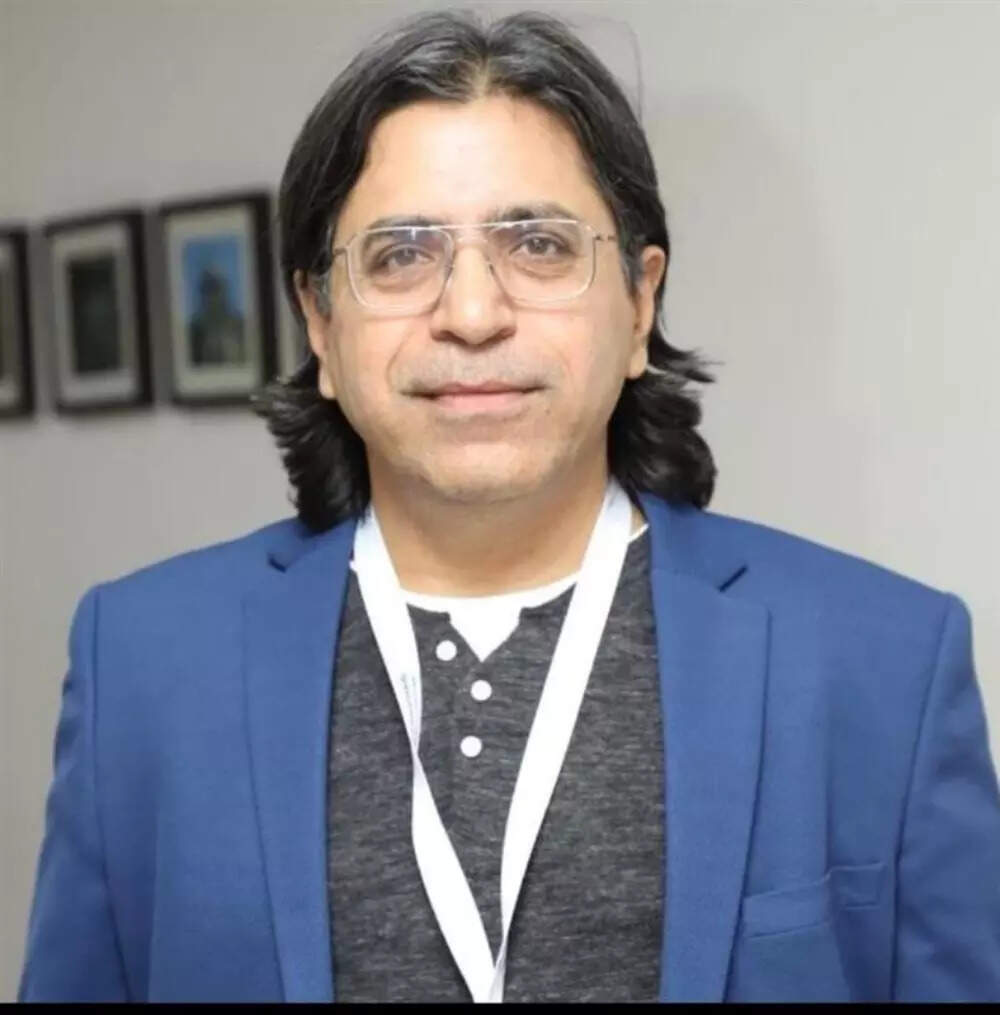
Dr. Rajesh Puri, Vice Chairman-Intervention Gastroenterology, Institute of Digestive and Hepatobiliary Sciences, Medanta
Why India needs greater adoption of minimally invasive therapies?Many diseases related to obesity and fatty liver disease are appearing earlier in India than in other countries.
Minimally invasive therapies help intervene before complications become severe, enabling faster recovery with minimal disruption. In addition to this, minimally invasive therapies require short hospital stays or none at all- becoming ideal for working professionals and people with busy schedules.People who suffer from cardiac, respiratory, and metabolic disorders generally do not qualify for significant operative procedures.
Hence, minimally invasive alternatives provide a safer pathway. These minimally invasive therapies help in improving satiety and restoring metabolic function, allowing one to develop healthier living styles.These clinically tested minimally invasive procedures minimise the possibility of developing diabetes, heart disease, and fatty liver. This lessens the long-term stress placed on both individual families and the healthcare system.India is experiencing a very rapid epidemiological transition. Underweight populations are now being replaced by overweight and obese populations. Understanding that obesity is not just weight gain; it’s more than that. It’s a chronic disease that is affecting people across all age groups. In a scenario like this, the adoption of minimally invasive techniques becomes important. To know more visit their website.This article has been contributed by: Dr. Rajesh Puri, Vice Chairman-Intervention Gastroenterology, Institute of Digestive and Hepatobiliary Sciences, MedantaReferences:Disclaimer: The views/suggestions/opinions expressed in the article are the sole responsibility of the experts and the brand concerned. This should not be considered a substitute for medical advice. Please consult your treating physician for more details. This article has been produced on behalf of Boston Scientific by Times Internet’s Spotlight team.






 English (US) ·