

 1 hour ago
5
1 hour ago
5
ARTICLE AD BOX
For ages, the Peepal tree (Ficus religiosa) has been one of the most sacred symbols of Hindu culture, which is highly revered in Vedic traditions and is believed to embody divine energy, immortality, and cosmic harmony.
Rooted in ancient scriptures and Vedic rituals, worshipping the Peepal tree is believed to connect devotees to the eternal cycle of life, making it a living temple. Here’s all you need to know about this sacred tree.Reasons for WorshipAs per the Vedic beliefs and Hindu culture, worshipping the Peepal tree is believed to house the divine trinity—Brahma in the roots (creation), Vishnu in the trunk (preservation), and Shiva in the leaves (destruction)—and it is believed that it is a conduit with the divine powers.
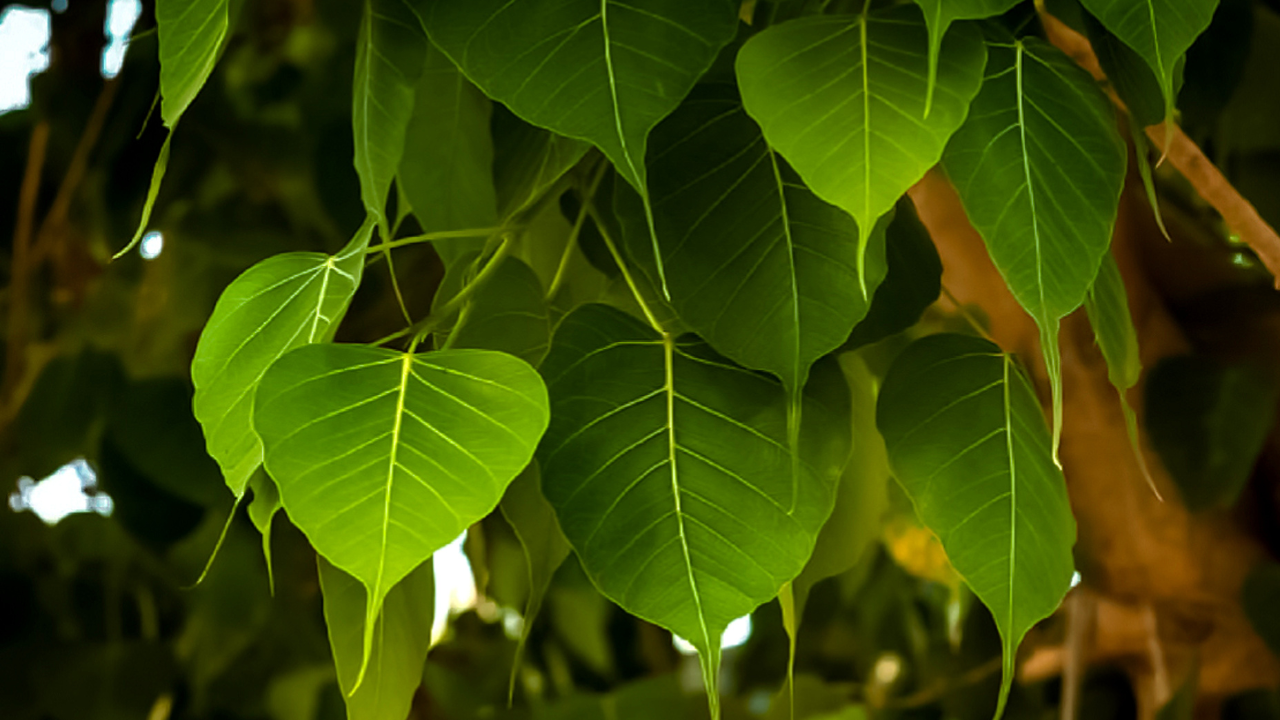
The peepal tree is planted in the east direction of the house according to Vastu. After eight, eleven, or twelve years of its plantation, the Upanayana Ceremony is performed for the tree. All rituals of the ceremony are performed, and then the tree is married to the basil plant.The individuals who worship the tree should live a simple life. This is the reason it is not advisable to plant peepal trees in the house, and if it has grown on its own, transfer it to the pot with due respect and worship it regularly.
What does the peepal tree symbolize?Interestingly, the unique thing about this tree is the aerial roots that descend from branches to form new trunks. As per the ancient scriptures, these branches symbolize the soul's immortality and rebirth, reinforcing faith in atma (eternal self) beyond physical death. It is believed that ancient scriptures like the Puranas mention the legends of Lord Vishnu and Krishna finding refuge under this sacred tree.
Apart from that, as per the Bhagavad Gita equates its veneration to devotion toward Krishna himself, promising spiritual merit, progeny, and protection from misfortunes.
During the night the peepal tree releases oxygen, which helps in air-purifying properties that align with the concept of Vedic views as a life-sustainer, which is usually worshipped on Saturdays and Amavasya for prosperity, health, and warding off evil.
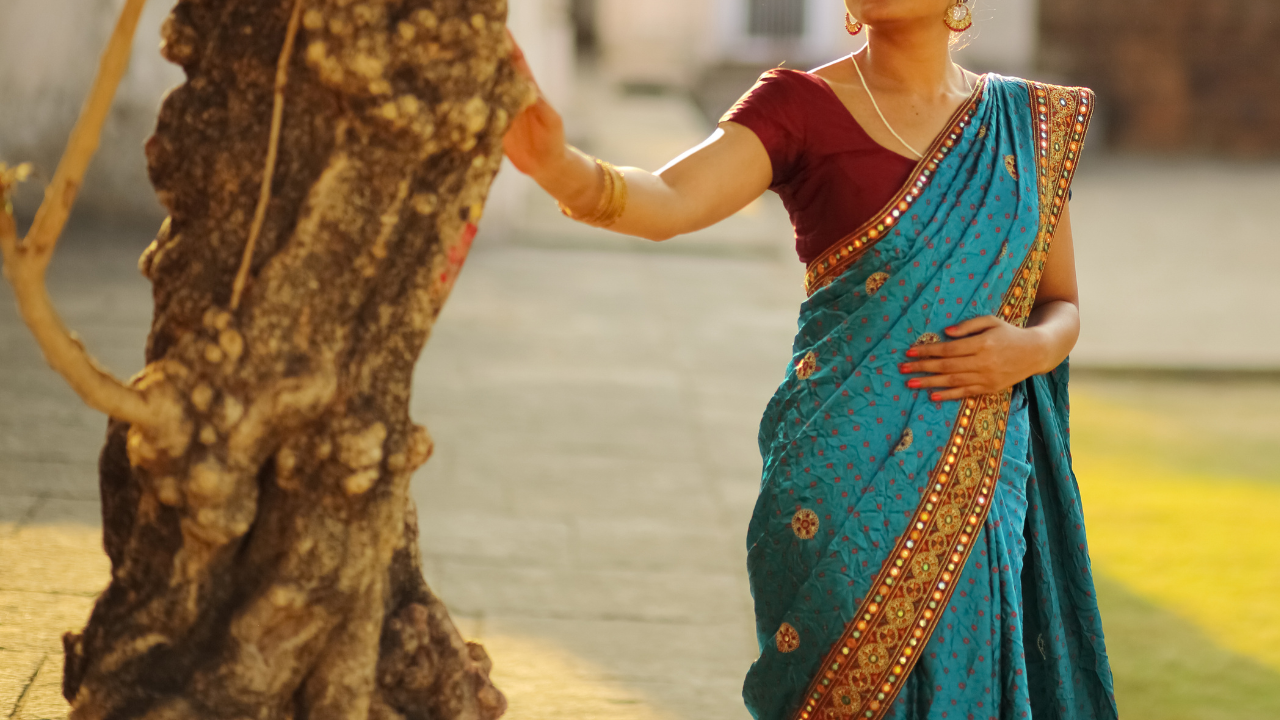
Peepal tree is generally part of various cultural rituals and festivals. For example, on Vat Savitri Vrat, married women perform worship of the tree for long life for their husbands. Several temples also include a Peepal tree within their premises, where it is worshipped daily by the devotees.
Divine Trinity ResidenceIn traditional Vedic beliefs, the Peepal tree houses the sacred trinity: Brahma resides in the roots, Vishnu in the trunk, and Shiva in the leaves. According to the ancient scriptures and texts, the peepal tree is a representation that mirrors the cosmic cycle of creation, preservation, and destruction. In fact, devotees view it as a direct connection to the almighty and this is why the peepal tree is often planted near temples.Symbol of ImmortalityThe peepal tree's unique ability to sprout new roots from branches signifies rebirth and the soul's eternity (atma). Ancient texts like the Puranas and Vedas often associate the peepal tree with Vishnu's refuge from demons, enhancing its protective aura.
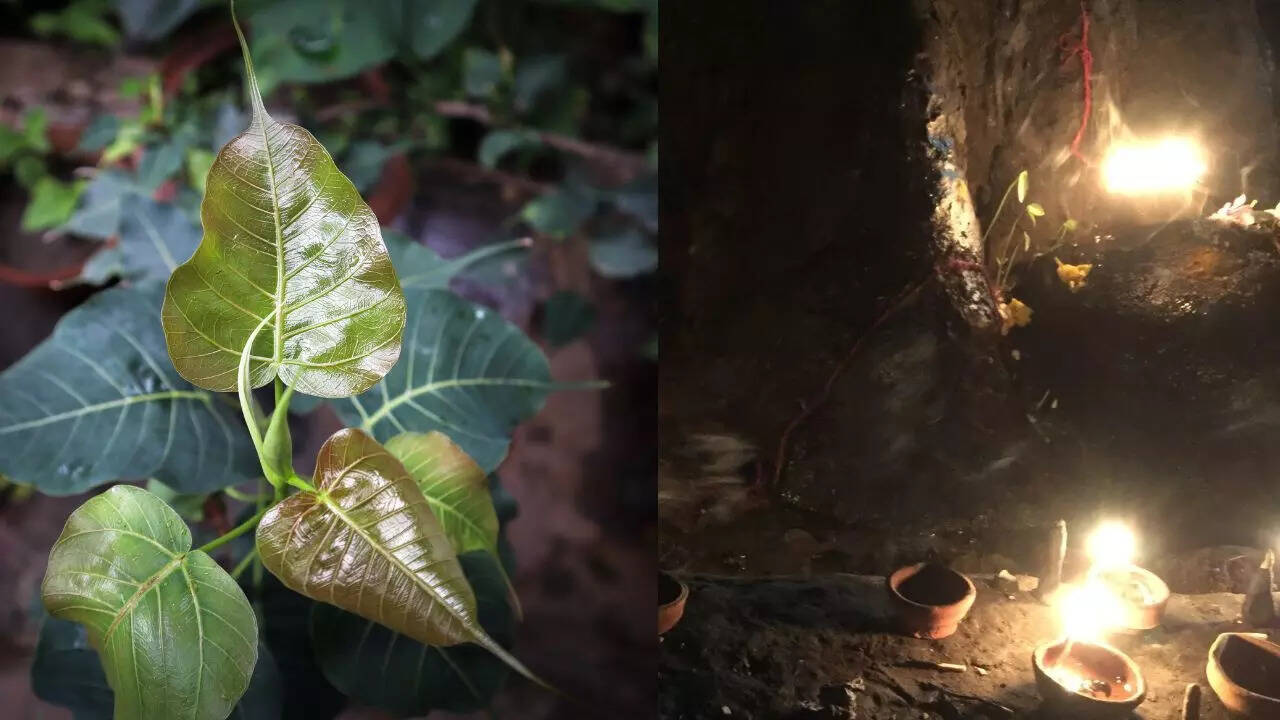
Worship RitualsOn Saturdays, Amavasya, or Shravan month, people offer water, tie sacred threads, and perform parikrama (seven circumambulations) while chanting mantras.
Women pray for progeny, marital bliss, or family welfare by circling the trunk. Goddess Lakshmi is believed to reside under it on Saturdays, drawing offerings for prosperity.Scriptural ImportanceThe Chandogya Upanishad and Atharva Veda describe it as God's paradise, a source of higher knowledge. The Bhagavad Gita associates it with Krishna, equating worship to devotion toward him. Watering it is said to cure diseases, redeem sorrows, and earn merit for progeny.







 English (US) ·