

 1 hour ago
4
1 hour ago
4
ARTICLE AD BOX
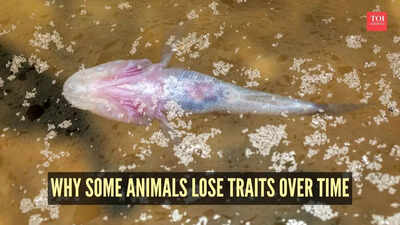
Evolution is often imagined as a steady process of gaining new abilities, but in reality it also involves losing traits that are no longer useful. Across the natural world, animals have abandoned features like eyesight, wings, pigmentation, or armour when environmental pressures made those traits unnecessary or costly.
This phenomenon, sometimes called regressive evolution, demonstrates how survival depends not on complexity, but on efficiency and adaptation.
Adaptation to dark or isolated environments
One of the clearest examples is found in cave-dwelling animals many of which lose their eyes and body pigment over generations. These changes are part of a broader pattern known as troglomorphism, the suite of adaptations linked to life in constant darkness. Such species often develop enhanced non-visual senses while vision and colouration shrink or disappear.The National Institutes of Health's study, explains that blind cavefish lose their eyes because eye-development genes are silenced through epigenetic changes not permanent DNA mutations. Higher DNA methylation and increased DNMT3B activity reduce the expression of these genes leading to early eye degeneration. This demonstrates how small genetic changes that alter epigenetic regulation can drive major evolutionary traits like eye loss.
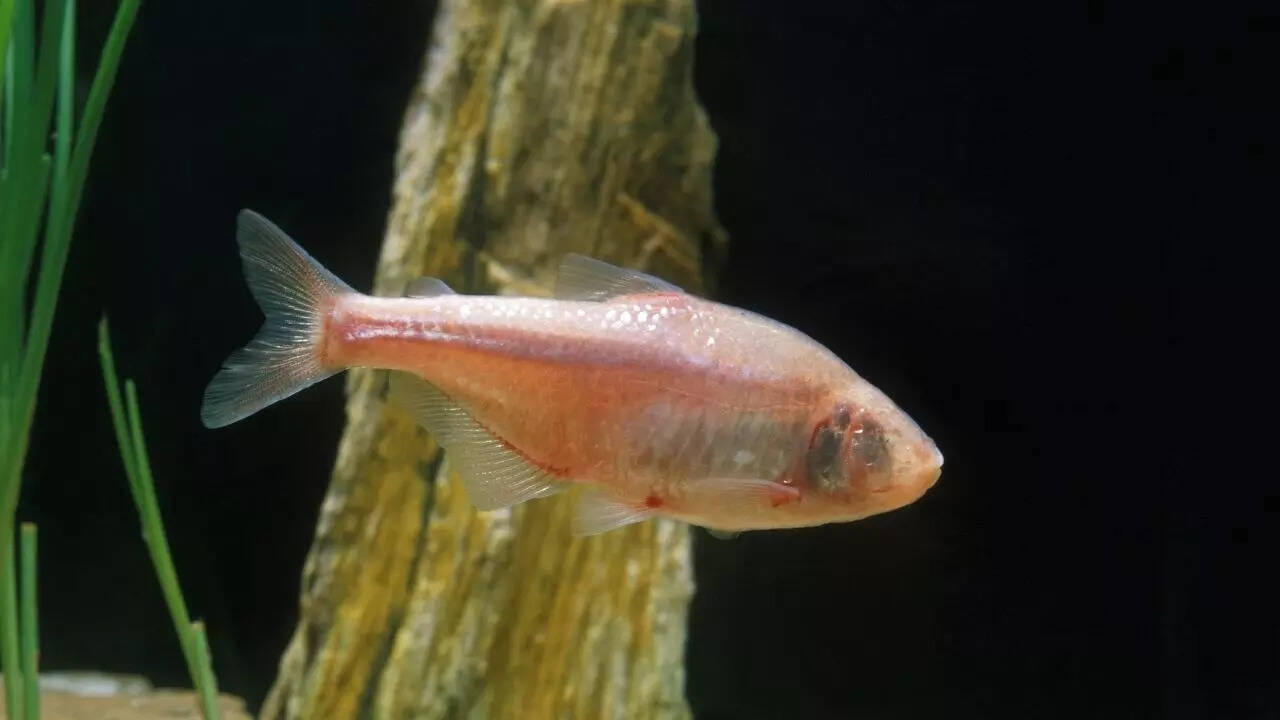
Image Credit: Canva
Trade-offs and new sensory advantages
Losing a trait does not mean an organism is becoming weaker. In many cavefish, genes linked to eye development are repurposed to strengthen other abilities, such as taste or touch creating a trade-off between vision and alternative senses better suited to darkness.
Why some birds lose the ability to fly
Trait loss is not limited to caves. Many birds, such as ostriches, kiwis, and penguins, descended from flying ancestors but evolved to become flightless.
Flying demands enormous energy, sometimes about 75% more than walking, so in predator-free or island environments the ability becomes unnecessary. Over time, wings shrink, flight muscles weaken, and legs strengthen for running or swimming.Genetic research on the Galápagos cormorant shows that mutations affecting cellular structures important for bone growth shortened the wings and prevented flight, illustrating how small genetic changes can reshape an animal’s entire lifestyle.
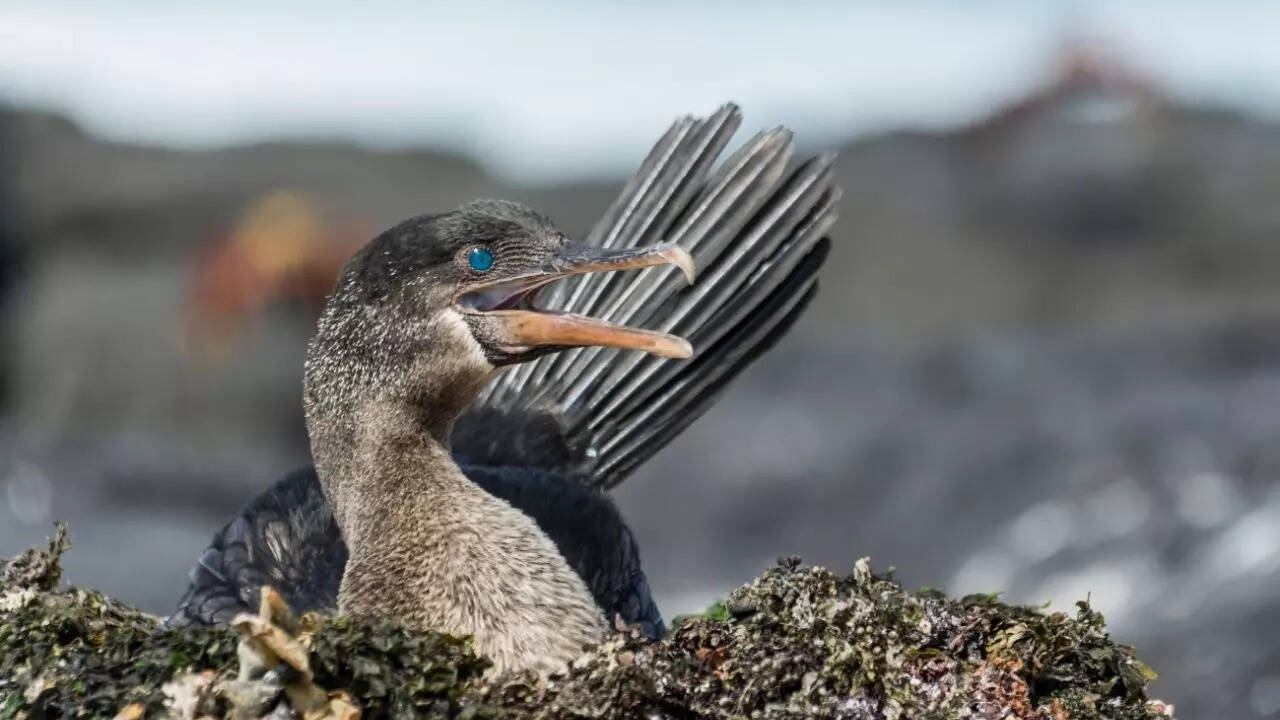
Image Credit: Canva
The bigger picture of regressive evolution
Across ecosystems, traits disappear mainly for three reasons:
- Energy conservation when maintaining a feature is costly.
- Relaxed natural selection when the trait no longer improves survival.
- Genetic mutations and trade-offs that redirect development toward more useful abilities.
Rather than representing decline, these changes show evolution’s central rule: organisms survive by fitting their environment, not by becoming more complex.The loss of eyes in cave dwellers and the loss of flight capability in some bird species point to the efficiency of evolution. Evolution keeps something only if it is useful. If it is not, it refines nature to remove it. Instead of it being detrimental to evolution, losing traits demonstrates that evolution is relevant because it points to survival through adaptation, balance, and energy conservation.








 English (US) ·