

 1 hour ago
4
1 hour ago
4
ARTICLE AD BOX
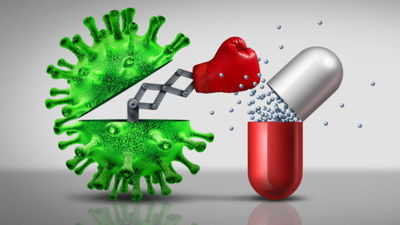
Antibiotic resistance sounds like a big, technical term, but it shows up in very real ways. A simple infection that should clear up in a few days starts dragging on. A fever doesn’t respond like it used to.
That’s what happens when bacteria learn to outsmart antibiotics. The drugs don’t stop working overnight, but slowly, quietly, they lose their power.India is right in the middle of this problem. Some estimates suggest that over 50–70% of common bacteria in India are already resistant to widely used antibiotics. And antibiotic use here is among the highest in the world, often without prescriptions. It’s common to stop medicines midway, reuse old prescriptions, or take antibiotics for viral infections like colds, where they don’t even help.
And awareness stays low because the consequences feel distant. Until one day, they’re not. When a routine infection becomes hard to treat, that’s when it hits home. By then, the problem is already much bigger than it seems.TOI health connected with Dr Subramanian Swaminathan, Director, Infectious Diseases, Gleneagles Hospitals, Bengaluru and Dr. K C Misra, Sr. Consultant & HOD - Critical Care, CARE Hospitals, Banjara Hills, Hyderabad to discuss why infections are taking longer to health and individual measures to be taken to avoid contributing to this health crisis.
We keep hearing that infections are getting tougher to treat—what’s actually changing?
Dr Subramanian Swaminathan: What’s really changing is the organisms themselves. Bacteria, in particular, are adapting. Over time, they develop ways to survive the drugs we’ve traditionally used—so the same antibiotics that worked reliably a decade ago may not be as effective now.We’re now picking up resistant infections even in people coming straight from the community, not just those with hospital exposure.
That changes how we treat, we can’t always start with the usual first-line drugs anymore. In some cases, we have to escalate earlier than we’d like, simply to make sure we’re covering what’s likely there.
How big a role does antibiotic misuse play in this problem?
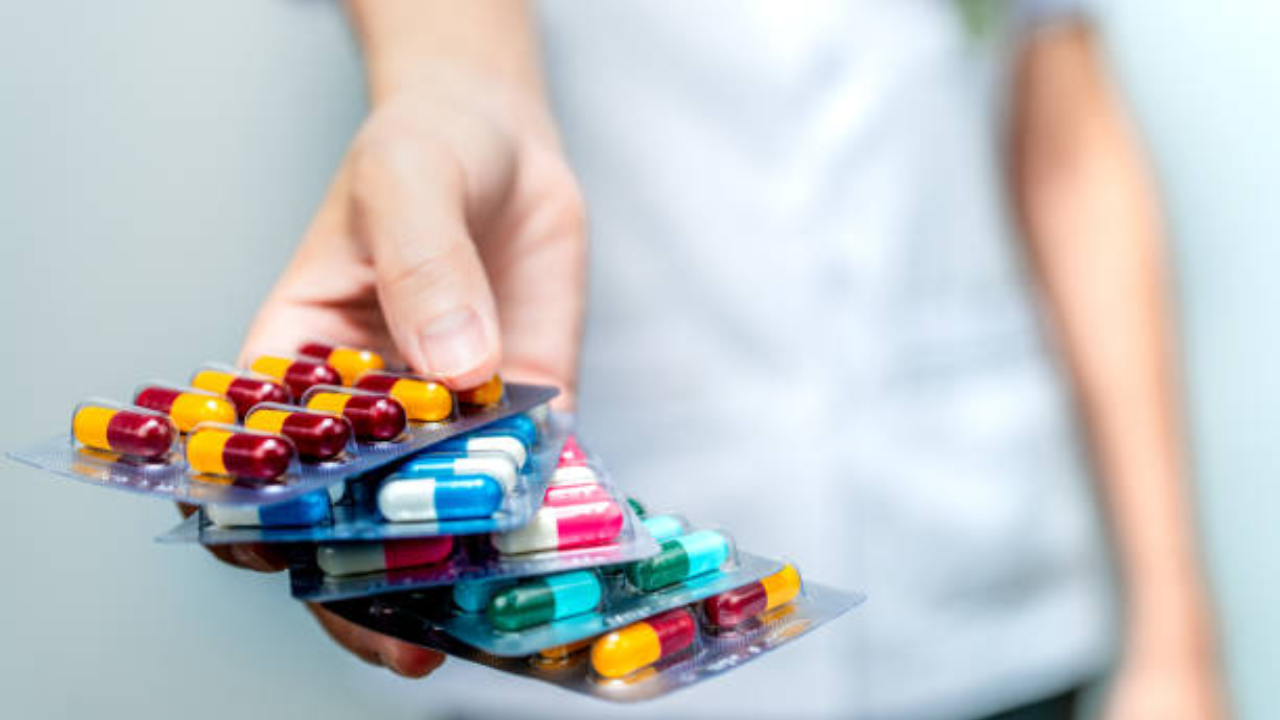
Dr Subramanian Swaminathan: It’s central to the issue. The more antibiotics are used the more opportunity bacteria have to adapt and develop resistance.This happens when antibiotics are taken for colds or the flu, people stop their medicine too soon, use leftover pills, or take antibiotics without seeing a doctor.
All of these give bacteria a chance to survive and become tougher to treat later.It’s not just individual use either, this is happening at a population level, which is why resistance is now a global concern rather than an isolated problem.
Are there certain everyday habits that are making this worse without people realising it?
Dr Subramanian Swaminathan: Yes, and many of them seem harmless on the surface. Self-medicating with antibiotics is a big one in many regions. Even sharing medication within families contributes.Another is expecting or pushing for antibiotics when they’re not indicated—for example, with common colds or sore throats that are viral. That pressure can sometimes influence prescribing patterns.Then there’s hygiene in a broader sense, not basic cleanliness, but things like improper food handling or incomplete vaccinations, which increase the chances of infections in the first place and, in turn, antibiotic use.Individually, these may seem small, but collectively they add up and drive the larger resistance problem we’re dealing with now.
What kinds of infections are doctors finding more difficult to manage today compared to a few years ago?
Dr. K C Misra: In the ICU, we’re seeing it across the board, but some infections are particularly troublesome. Urinary tract infections, pneumonia, and bloodstream infections are hitting harder because the bacteria involved are increasingly resistant to the usual antibiotics.Even routine infections that used to respond well can spiral quickly if the patient has other health issues.
What used to be simple, straightforward treatment now sometimes requires multiple drugs, longer hospital stays, and closer monitoring. It’s stressful because the clock matters, a resistant infection can turn serious in a matter of hours.
What can individuals do in their daily lives to avoid contributing to this issue?
Dr. K C Misra: There’s actually quite a bit people can do. First, only take antibiotics when a doctor prescribes them and always finish the full course. Don’t save leftovers “just in case,” and never pressure your doctor for antibiotics if they’re not needed.Simple hygiene can prevent a lot of problems, washing your hands often, cooking food properly, and keeping up with vaccines all lower your risk of getting sick. Even little things, like staying home when you’re unwell and limiting close contact, help stop resistant bacteria from spreading. Being careful every day may seem small, but it really adds up.Medical experts consulted This article includes expert inputs shared with TOI Health by: Dr Subramanian Swaminathan, Director, Infectious Diseases, Gleneagles Hospitals, Bengaluru Dr. K C Misra, Sr. Consultant & HOD - Critical Care, CARE Hospitals, Banjara Hills, HyderabadInputs were used to explain why infections are harder to treat these days. What measures can be taken at individual level to prevent the crisis.







 English (US) ·