

 1 hour ago
5
1 hour ago
5
ARTICLE AD BOX

The conversation happens in living rooms across India every evening. A parent scrolls through LinkedIn, reading yet another headline about AI replacing jobs, this time, it's financial analysts.
Meanwhile, their child is exploring university programmes, navigating both parental expectations and a range of future possibilities. "What if I spend four years studying something that becomes obsolete before I graduate?" It's not an irrational fear. The World Economic Forum's 2025 Future of Jobs Report forecasts that AI will create 170 million new roles while making 92 million existing jobs redundant by 20301.But here's what the automation anxiety misses: While AI is rapidly mastering technical tasks, it's failing at something humans do instinctively. A recent study published in the Journal of Business Research found that 86% of executives cite ‘interpersonal skills’ as critical for leadership roles, yet these remain the hardest capabilities to teach2, and impossible to code. Machines can analyse customer data, but they can't read the room when a client's body language contradicts their words.This gap has created a paradox in higher education. The WEF report also identifies creative thinking, resilience, flexibility, leadership and social influence, and talent management among the top skills rising in importance; precisely the competencies traditional degree programmes struggle to cultivate. The question for families isn't ‘which degree is safest’ but rather ‘which learning experience builds skills that compound over time, regardless of industry shifts?’ It's a question that's leading some families to reconsider an often-overlooked educational path: Hospitality business programmes like EHL Hospitality Business School’s Bachelor of Science in International Hospitality Management in Switzerland, where these human-centric skills aren't electives, they're the foundation.Additionally, studying in Switzerland offers a dual advantage: students gain international exposure from day one while building cross-cultural fluency naturally in one of the world's most globally connected education systems. There's a reason Switzerland became the birthplace of hospitality education, the leading hospitality management school opened here in 1893, establishing standards that shaped the industry globally.
EHL, founded in 1893 as Ecole hôtelière de Lausanne, pioneered this tradition and continues to set the benchmark for hospitality business education worldwide. This legacy means students aren't just learning in Switzerland; they're learning where hospitality management was invented and perfected over 130 years.The human premium: Why empathy is the new currencyThink about the last time a company truly impressed you. Chances are, it wasn't their algorithm, it was a person who anticipated your needs before you voiced them.
This is the skill gap AI can't close. When a luxury hotel manages a crisis, the solution isn't just operational, it's reading anxiety in a guest's face and responding with genuine care. When consultants navigate tense boardroom negotiations, success depends on sensing unspoken tensions.
When entrepreneurs pitch to investors, it's the ability to read the room and adjust on the fly that closes deals.These human skills don't exist in isolation, they're interconnected capabilities that build on one another.
Empathy enables better networking. Cultural intelligence deepens professional relationships. The ability to read people creates opportunities for collaboration that purely transactional interactions miss. In hospitality business education, students develop these skills not in theory, but through constant practice: managing teams from different cultures, handling high-stakes client interactions, and navigating complex stakeholder dynamics.
They learn that networking isn't about collecting business cards; it's about building genuine connections that open doors throughout a career, from landing that first interview to securing cross-functional buy-in on projects to advancing into leadership roles.This is where programmes like EHL's Bachelor approach become distinctive. These moments aren't treated as soft skills, but as teachable competencies.
Students don't just study service theory; they manage real restaurants, handle actual guest complaints, lead multicultural teams through high-pressure scenarios. It's a training ground for the kind of judgment that matters whether you're running a startup, managing a portfolio, or leading crisis response.
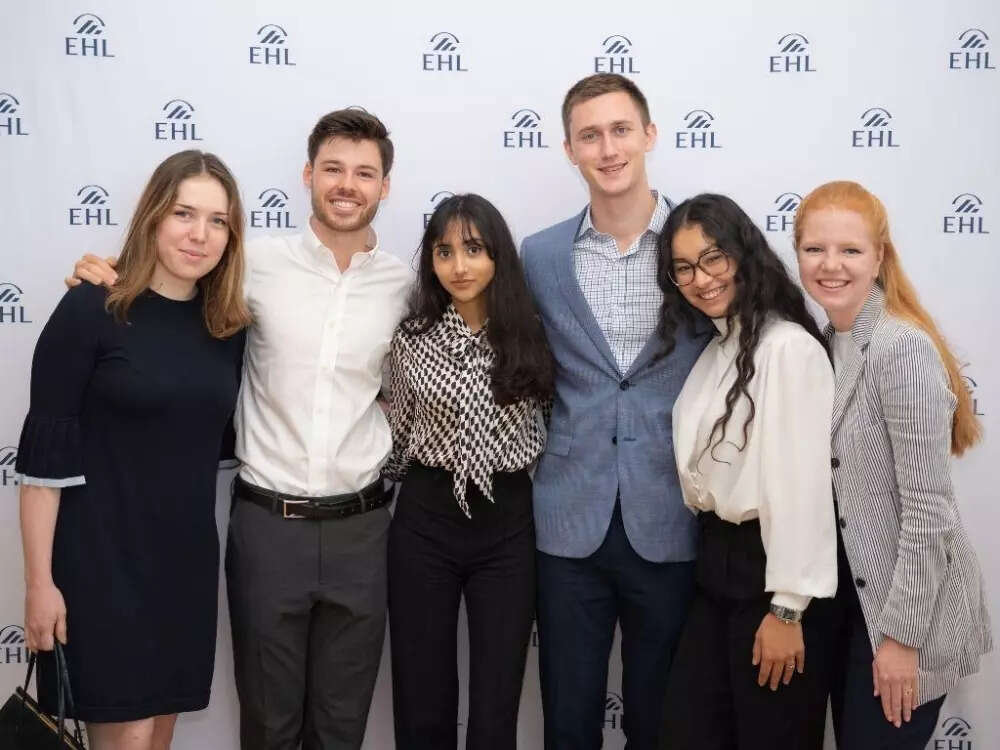
Beyond hotels: The hospitality mindset in unexpected placesThe assumption? Hospitality education = hotel careers. The reality is far more expansive.
EHL graduates work across corporate finance, consulting, real estate, technology startups, and consumer brands worldwide. Here's why employers across sectors actively recruit from top hospitality business schools: the skill combinations these graduates possess are rare in traditional business education. Consider what students learn managing a hotel operation:
- Financial acumen meets human insight: Analysing P&L statements while reading customer behaviour in real-time teaches graduates to interpret both hard data and soft signals. Brand managers launching products need this. Consultants diagnosing client challenges use it. Startup founders rely on it to pivot strategies based on market response.
- Cross-cultural leadership under pressure: Leading diverse teams across language barriers when there's no time for alignment isn't theoretical diversity training, it's getting results through people who think differently. Investment banks need this for global deal teams. Tech companies require it for distributed development. Any international organisation needs leaders who bridge cultures instinctively, not just intellectually.
- Adaptive problem-solving without a script: When a wedding reception for 200 faces a kitchen crisis 30 minutes before service, there's no manual; you solve it immediately with available resources while keeping guests satisfied. That's the same judgment needed in crisis management, client negotiations, or leading teams through market shifts.
- Stakeholder management across competing priorities: Balancing guests, team members, suppliers, and business objectives simultaneously, often when they conflict, builds the navigation skills that corporate strategists use with executives, real estate developers need aligning investors, or product managers require balancing users against technical constraints.
These aren't ‘hotel skills’, they're fundamental business capabilities wrapped in high-stakes human interaction.
A graduate managing brand strategy uses the same judgment as one handling client relationships at a global consultancy or leading product teams at a tech company. The hospitality framework teaches something traditional business programmes often miss: how to lead when the variables are human, not just financial.
It's why employers across sectors actively recruit from top hospitality business schools, they're hiring for adaptability, not industry knowledge.
In an AI-driven economy, that distinction matters more than the degree title.
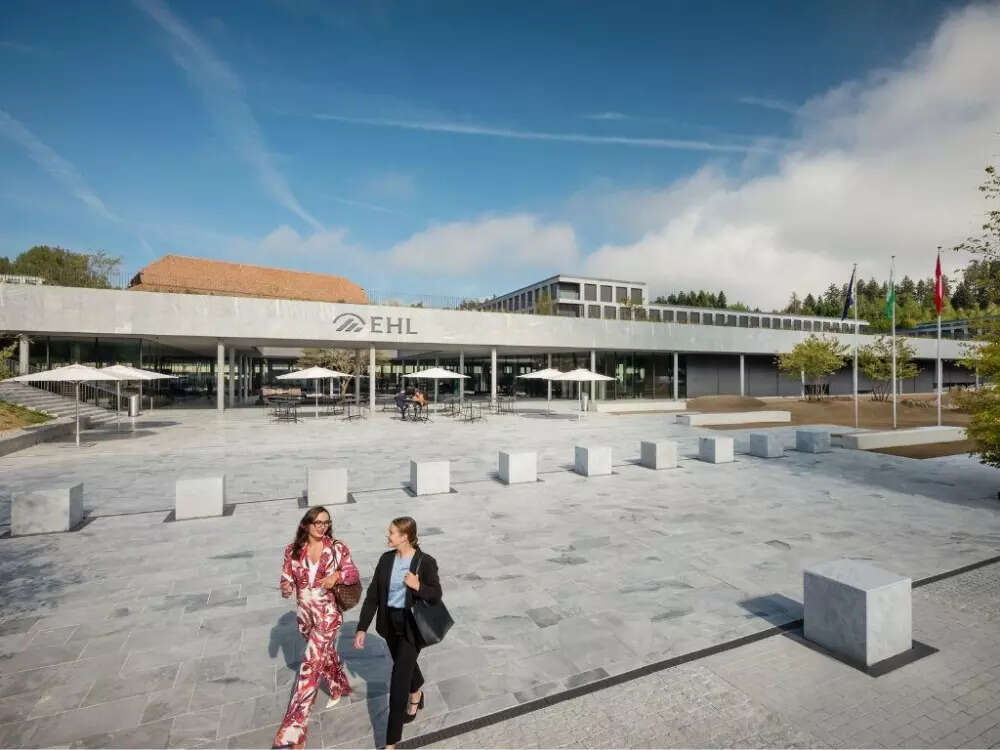
The Switzerland advantage: Where theory meets realityEHL Bachelor students begin with a full year of hands-on immersion, managing real restaurant operations, handling live service challenges, working across kitchen and front-of-house roles. This isn't simulation; it's actual business operations with real customers and real consequences.
The key takeaways include discipline, agility, teamwork, time management and creative problem-solving skills.The bachelor's programme includes two six-month internships, often taken internationally, and a 10-week consulting mandate where students solve actual business challenges for real companies. By graduation, students have managed teams across cultures, presented strategies to executives, and built a professional network spanning continents. The academic credentials matter too. EHL is the only standalone hospitality business school with AACSB accreditation3, the highest standard for business schools worldwide. With dual accreditation in the US and Europe, and students from over 125 nationalities, the degree carries weight globally. This combination, Swiss educational rigor, hands-on business training, and international recognition, creates graduates who aren't just job-ready; they're leadership-ready.Why EHL leads the hospitality business education worldEHL Hospitality Business School is internationally recognised for its focus on blending academic rigour with hands-on industry immersion, preparing students for leadership roles across global service sectors.
- Progressive learning structure: Students build leadership incrementally. Year one begins in operational roles, working kitchens, managing service, handling guests, learning the business from the ground up before a six-month global operational internship takes that foundation into the real world. Year two shifts the lens inward, into the mechanics of business and data-driven decision-making. That knowledge is then pressure-tested through an administrative internship, anywhere in the world, for another six months. By year three, students are no longer learning about business. They are advising on it. A consulting mandate puts them in front of real-world challenges, with solutions presented directly to executives. High-stakes work that most graduates don't touch until years into their careers.
- Industry recognition: Over 180 companies recruit directly on campus annually, and 12,000+ industry partners actively post opportunities on the EHL job platform.
- Career outcomes: 48% of EHL's 35,000 alumni hold senior management, CEO, executive, or business owner positions across 150 countries, proof that this education translates to leadership roles across industries.
The decision: Choosing resilience over trendsThe question parents wrestle with: ‘Will this degree matter in 15 years?’ It's the wrong question.
The better one: ‘What skills will my child actually use, regardless of which industry they enter?’ Hospitality business trains adaptability, the ability to read situations, lead diverse teams, and solve problems without a playbook. These capabilities transfer across sectors and become more valuable as technical skills get automated.
When career paths are unpredictable and industries evolve faster than curricula, investing in human judgment isn't idealistic, it's pragmatic.
The degree matters less than what it fundamentally teaches you to do.Curious about building a future-proof foundation? Explore more about EHL's Bachelor of Science in International Hospitality Management.Reference/s:
Disclaimer: The article has been produced on behalf of EHL Hospitality Business School by the Times Internet's Spotlight team.






 English (US) ·