

 1 hour ago
5
1 hour ago
5
ARTICLE AD BOX
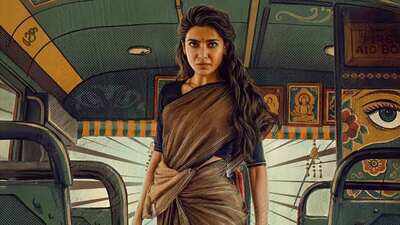
Tollywood’s poster game has officially leveled up. Designers are treating promotional art less like basic billboards and more like graphic novel covers. It’s all about the attitude now.
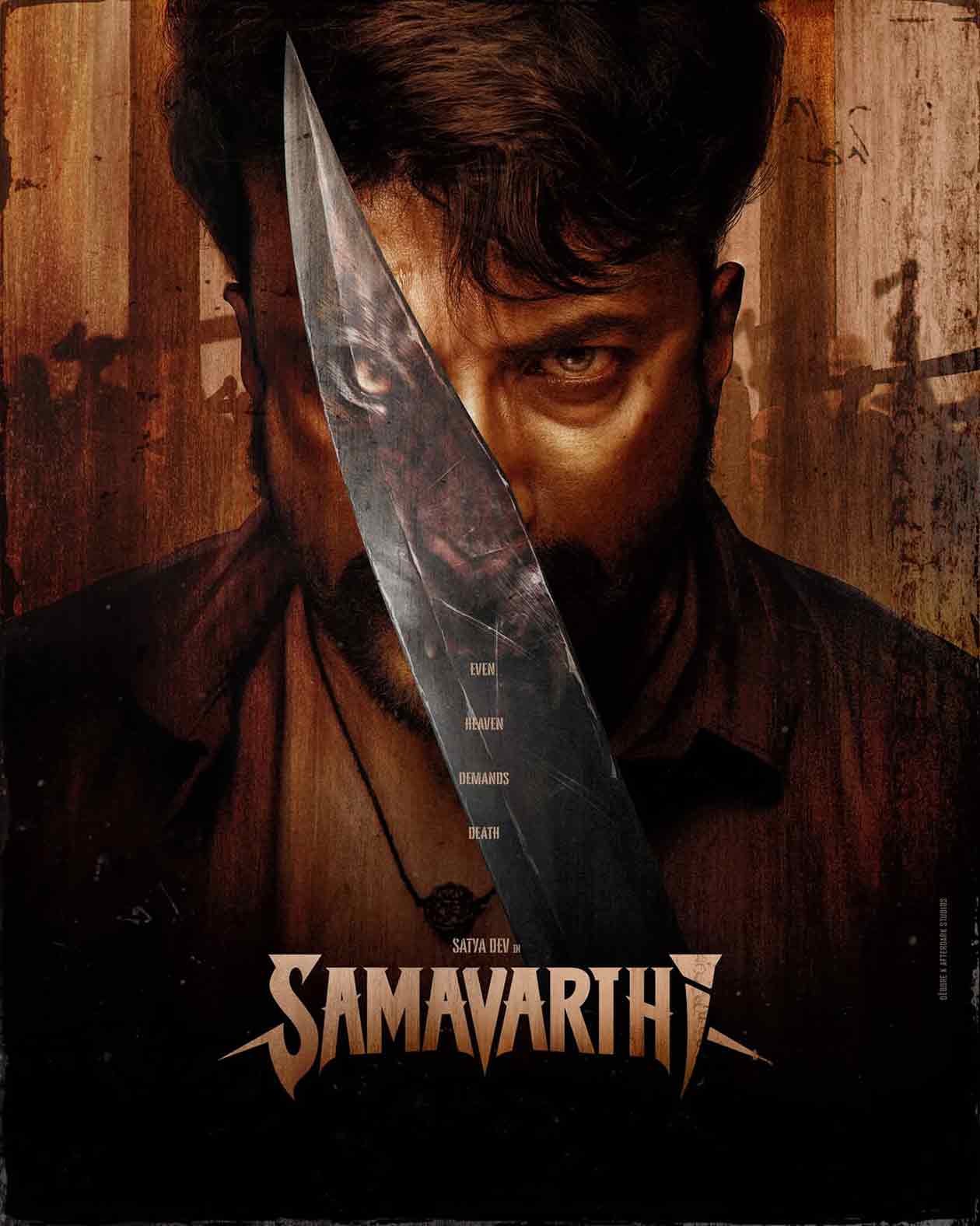
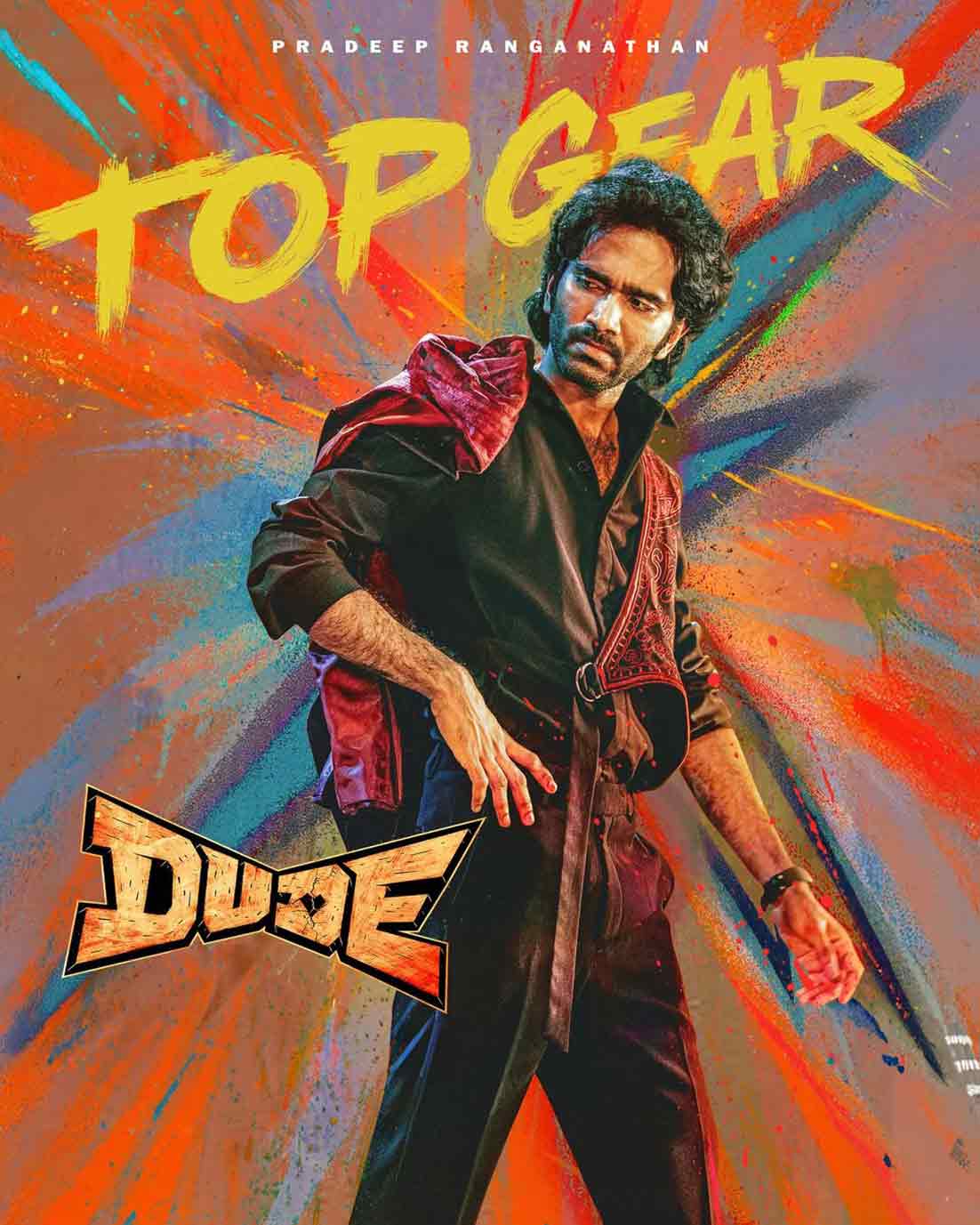
Look at OG 2: the jagged red lettering and manga-inspired aesthetic drop you right into a Japanese underworld before you even know the plot. Varun Tej’s Korean Kanakaraju uses playful, neon comic-book vibes to instantly sell its wild Indo-Korean horror-comedy premise. Maa Inti Bangaram subverted the familiar Bapu Bomma archetype, depicting a sari-clad Samantha with a gun in imagery that resembles the cover of an action comic. It is loud, it is graphic, and it is completely redefining the industry’s hype machine.
‘To make great posters, the filmmaker and designer must share the same vision’Reflecting on the creative process behind shaping Maa Inti Bangaram’s visual identity, director Nandini Reddy says, “A film poster has a huge responsibility. In a single image, it has to communicate the tone, mood and world of the film while instantly grabbing the audience’s attention. The collaboration between a filmmaker and a designer begins with understanding the story.
We discuss what the film is trying to convey and then arrive at a visual language that best represents it.
” She adds, “Rather than simply following trends, you have to stay true to your content. Understand what your story demands and choose a style, technique and design that honestly reflects it. You can’t create something just because it’s trending because, by the time you’ve begun and finished it, the trend has already changed.”

‘Smartphones have become the new billboards for film posters’Film publicist and publicity designer Siddharth Chandrashekar, whose body of work includes films such as Lesa Lesa, and Santosh Subramaniam, believes the evolution is closely linked to changing audience behaviour and the digital-first nature of film marketing. “Until the early 2000s, posters were designed for massive hoardings and theatre walls.
Today, they’re primarily viewed on mobile phone screens, so the design language has naturally evolved,” he says.
According to Siddharth, the growing influence of Japanese and Korean visual culture can largely be attributed to streaming platforms and social media. “OTT platforms and social media have exposed both audiences and filmmakers to manga, anime and Korean design sensibilities. Today’s posters are created to grab attention instantly in a digital-first environment,” he explains.
He adds that film publicity has evolved far beyond traditional posters. “A film’s visual identity now extends to title logos, music artwork, merchandise, apparel and social media assets. Every piece of promotional content has become an extension of the film’s brand, which is why filmmakers are constantly experimenting with new design styles and global influences.”

Varun Tej’s upcoming film Korean Kanakaraju’s first look poster blends comic-book artwork
‘Global content is shaping the visual language of Indian cinema’Filmmaker Anurag Kashyap believes the growing influence of anime and global pop culture on Indian cinema is a reflection of changing consumption habits. Speaking in an earlier interview, he said, “Today’s kids are watching K-pop, Demon Slayer and Blue Eye Samurai. I noticed this even while shooting in a village. Their exposure to global content begins at a very young age. The editors we’re working with today are 19 or 20 years old, and they’ve grown up consuming manga, anime and international entertainment.
It’s only natural that their work reflects those influences.”

The announcement visual of Allu Arjun’s AA23





 English (US) ·