

 1 hour ago
4
1 hour ago
4
ARTICLE AD BOX
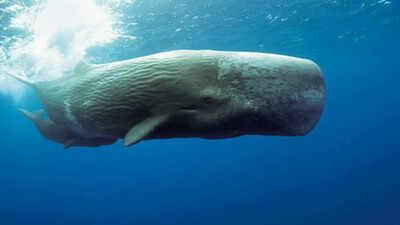
Who could ever think that a byproduct from a whale's digestive system could be worth millions for humans? But as they say, a man can put a price on anything and if vomit can be sold for a wad of cash, people will go to the ends of the earth, literally, to find it.In the depths of the ocean waters, sperm whales consume large quantities of squid and cuttlefish, much of which cannot be digested. While some of this indigestible matter is expelled through vomiting, a portion binds together in the whale's intestines and forms what is known as ambergris. Occasionally, ambergris is excreted and found floating on the surface of the water.Freshly expelled, ambergris is soft, waxy and greasy in consistency.
When exposed to sunlight, saltwater and air, it undergoes weathering and oxidation to become crusty and rock-like.
Ambergris: The floating gold

Often referred to as 'floating gold' ambergris means 'grey amber' in French and has been a unique phenomenon for millennia. Fossilised evidence of the substance dates back 1.75 million years, and it is likely that humans have been using it for more than 1,000 years.There is a large contention on how ambergris emerges from the whale.
Some believe that whale regurgitates the mass, earning the nickname 'whale vomit' while others think it is excreted. Sometimes it grows large enough to fatally rupture the whale's rectum. However, it is found in less than 5% of whale carcasses.One of the clearest identifying traits of ambergris is its odour which is described as possessing a strong faecal smell. However, as the mass dries out, it is described to smell musky.
Herman Melville even referred to this curious smell in his novel Moby Dick. He wrote of the terrible odour of a dead whale, from which ‘stole a faint stream of perfume’.Historically, ancient Egyptians and medieval Europeans employed ambergris in their cuisine, medicine and fragrances. King Charles II of England reportedly loved to dine on eggs and ambergris. It was also used in treating digestive disorders, headaches and even epilepsy.
The perfume's amber
Today, ambergris is worth millions for its olfactory properties. Ambrein, an odourless alcohol, is extracted from ambergris as its unique molecular structure binds fragrance notes together, allowing perfumes to stay on the skin longer than synthetic alternatives. It ranges from black to white, with shades of grey and brown in between. The lighter than ambergris, the more ambrein it contains and the more valuable it is.
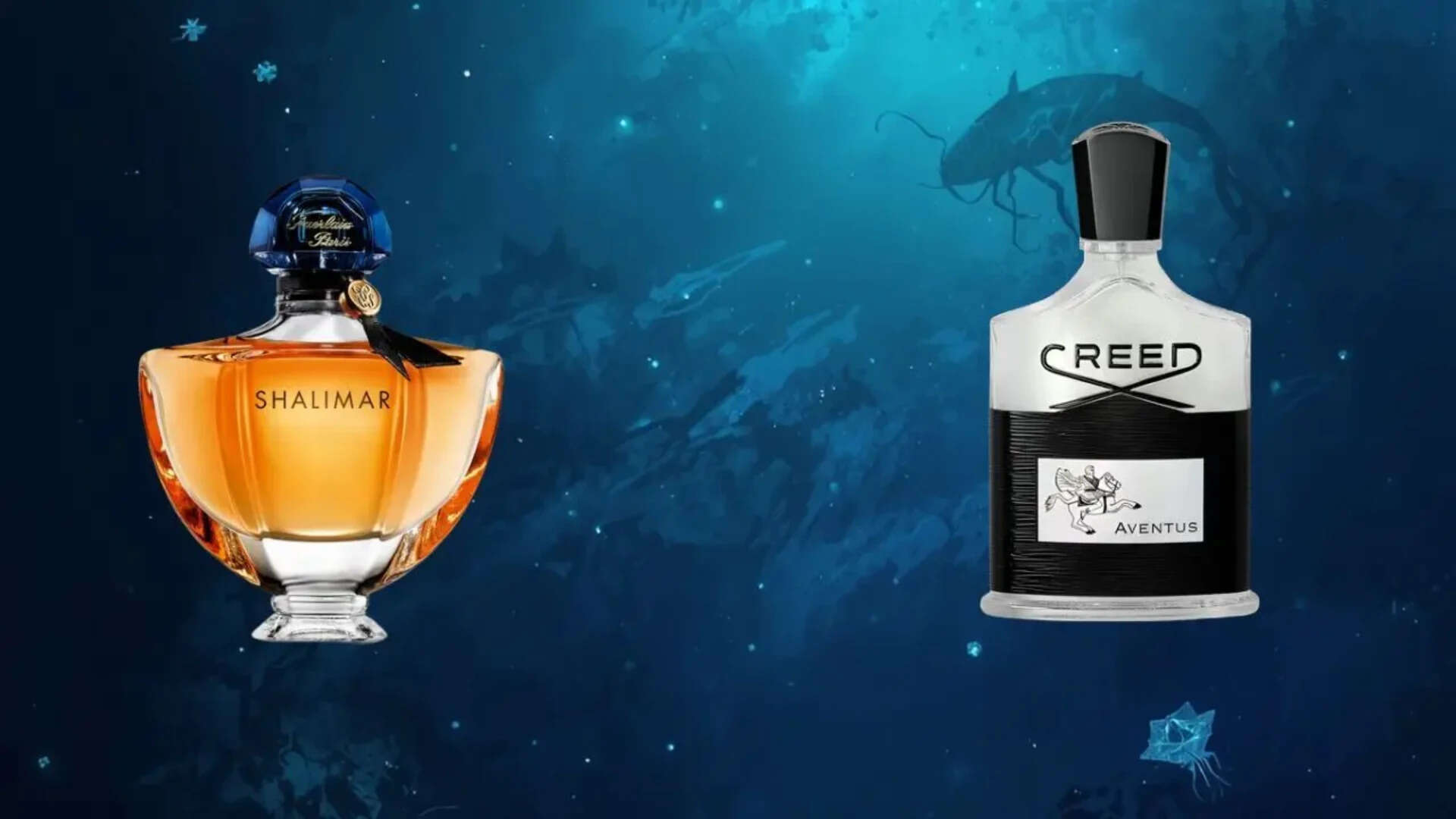
In cosmetics, trace amounts may appear in body sprays, scented lotions, and artisanal skincare products, prized for their rich aroma and smooth texture.“It’s an extremely valuable substance that’s known for its unique scent and fixative qualities,” November Nichols, perfumer and owner of Chémin, told POPSUGAR. “It enhances the longevity and depth of the fragrances that it’s added to.”'Creed' is a luxury fragrance house that is well-known for using ambergris as a base note in some of its perfumes.
'Aventus', one of its most famous fragrances, uses ambergris in its base, as per reports. Other luxury perfumes such as Guerlain's Shalimar, Chanel No. 5, Dior's Sauvage, Paco Rabanne's Invictus, Maison Francis Kurkdijan's Baccarat Rouge 540 and more also make use of the product, according to various reports.
An ethical dilemma
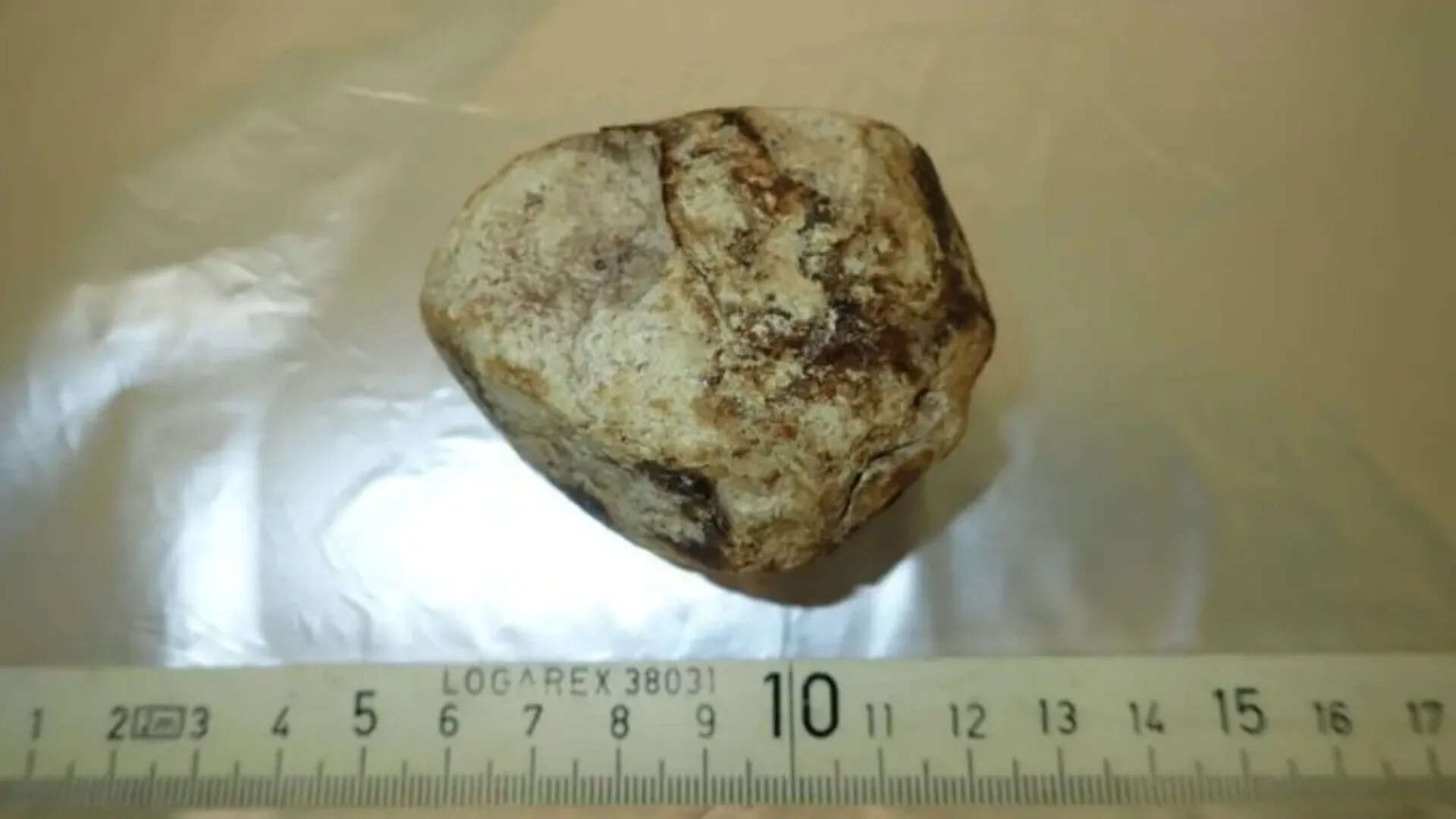
Harvesting ambergris is generally considered an ethical practice since it’s collected after it has naturally exited the whale’s body, with no contact or harm to the animal.
However, when whaling was widespread, sperm whales were hunted for ambergris and other valuable products, such as oil.Thus, due to the endangered status of the sperm whale, there are regulations around the trade of ambergris. In some countries, it is illegal to trade or possess ambergris.According to the Convention on International Trade in Endangered Species, it is illegal to kill sperm whales almost anywhere on the planet, and some countries have made the possession and trade of ambergris illegal to reduce potential harm to the population.
In the US, the Marine Mammal Protection Act prohibits the collection and sale of ambergris, while in other countries, like New Zealand, it is legal to collect ambergris that is naturally found.According to a 2022 study, WWF says the global population of sperm whales is about 850,000 individuals, “which reflects a 57 per cent decline in their numbers in 310 years caused by massive whaling in the 1840s and 1960s.”It is estimated that only 1% of sperm whales are capable of secreting ambergris. Due to the scarcity of whale vomit, a gram is worth around $27, and a pound could be worth over $10,000. In 2023, a sperm whale carcass discovered in the Canary Islands contained about $500,000 worth of ambergris.It’s oddly poetic, what begins as a whale’s digestive problem ends up as a human luxury. So the next time someone compliments your perfume, just smile… No need to tell them it might have started out as something that absolutely stank.









 English (US) ·