

 4 days ago
7
4 days ago
7
ARTICLE AD BOX
The morning of March 8th began like any other day in my life. Waking up at 6, having breakfast and transforming my bedspace into a working area for a nine-hour shift (it lasts longer) that will involve one of the only things in my life I have truly stuck to: writing.
The only difference that morning was the realisation that it was two of my friends' birthdays and the fact that the day marked one of the most performative days of the year: International Women's Day, did not cross my mind until later. When you ask? After my father wished me, albeit due to years of nagging him to accept the day. The occasion of women's day involved for me multiple wishes from my female friends shouting with happiness to each other and one text from a male colleague, writing, "stronger women, stronger dreams."While the wish might sound like a 'Go girls!' look-alike to the layman, my current mental conditioning had me questioning its actual meaning. It could be analysed from two perspectives: one negative and one positive. An optimist might smile at the statement with the acknowledgement that stronger women are more positioned to have stronger, more potent dreams. However, a curious cat would sit wondering, is it all women are supposed to do? Be stronger to dream stronger? Why is the act of being strong for a woman associated with her dreaming higher in life? Is it a requirement? And if yes, then why so? Shouldn't dreaming come easily to us and the realisation of said dreams even more so?
The light at the end of the tunnel
This realisation set me upon an exploratory quest into the true reality of Women's Day.
International Women's Day is celebrated annually on March 8th, marking one of the peak feminist days of the year. Its origin stems from the 1917 Russian Revolution, when female textile workers in Petrograd launched a massive strike demanding an end to World War I and food shortages. The day ended with the abdication of the Tsar and the government granting women the right to vote. It was in 1922, that the date, which was originally February 23 in the Julian calendar followed by Russia at the time, was fixed to March 8th to honour the women's bravery with the United Nations formalising the event in 1977.
However, if you look at the women of today, the youth, the old, they are all in hiding. Their reality, in terms of their body, personality and even life has been buried under layers and layers of disguise that they themselves surrender to, some knowingly, and others unknowingly. The idea of a day being assigned to celebrate womanhood should in itself be horrendous to the women out there. Isn't it an all-year-long, months-long and days-long saga? Considering that the formalisation decision was finalised by a male himself, Kurt Waldheim, then UN Secretary-General, the fact should irk many out there.
But if not, then let's delve deeper.
The Capitalist surrender

While it may have been carved out to celebrate the bravery of women, over the years, the structure of Women's Day has been stuffed with a capitalist agenda. One of the most remarkable memories of my childhood includes me applying kajal to add oomph to my looks, which I back then believed were subdued by my uniform. "You look best when it's just you, all natural. Being raw is the most brave identity you can trust upon to segregate you from a world full of similarities," said my brother as I cried over my mother restricting my first foray into the world of makeup. However over the years, as I left home and settled in Delhi, the line went forgotten after days of being in an all-girls college and listening to one woman after another whine about something or the other. While one really wanted a top that would truly enhance her figure, another wished her hair grew longer. Some had regular hair colour appointments while others were wishing the guy from the dating app would show up. One may argue that nothing is wrong with any of these aspects and women are free to do and be as they please, but are you sure? Why is it that after centuries of female leaders fighting for women to be accepted into the political, economic and social realms, we find ourselves worrying about the pettiness of appearances?
Hypodermic needle of capitalism
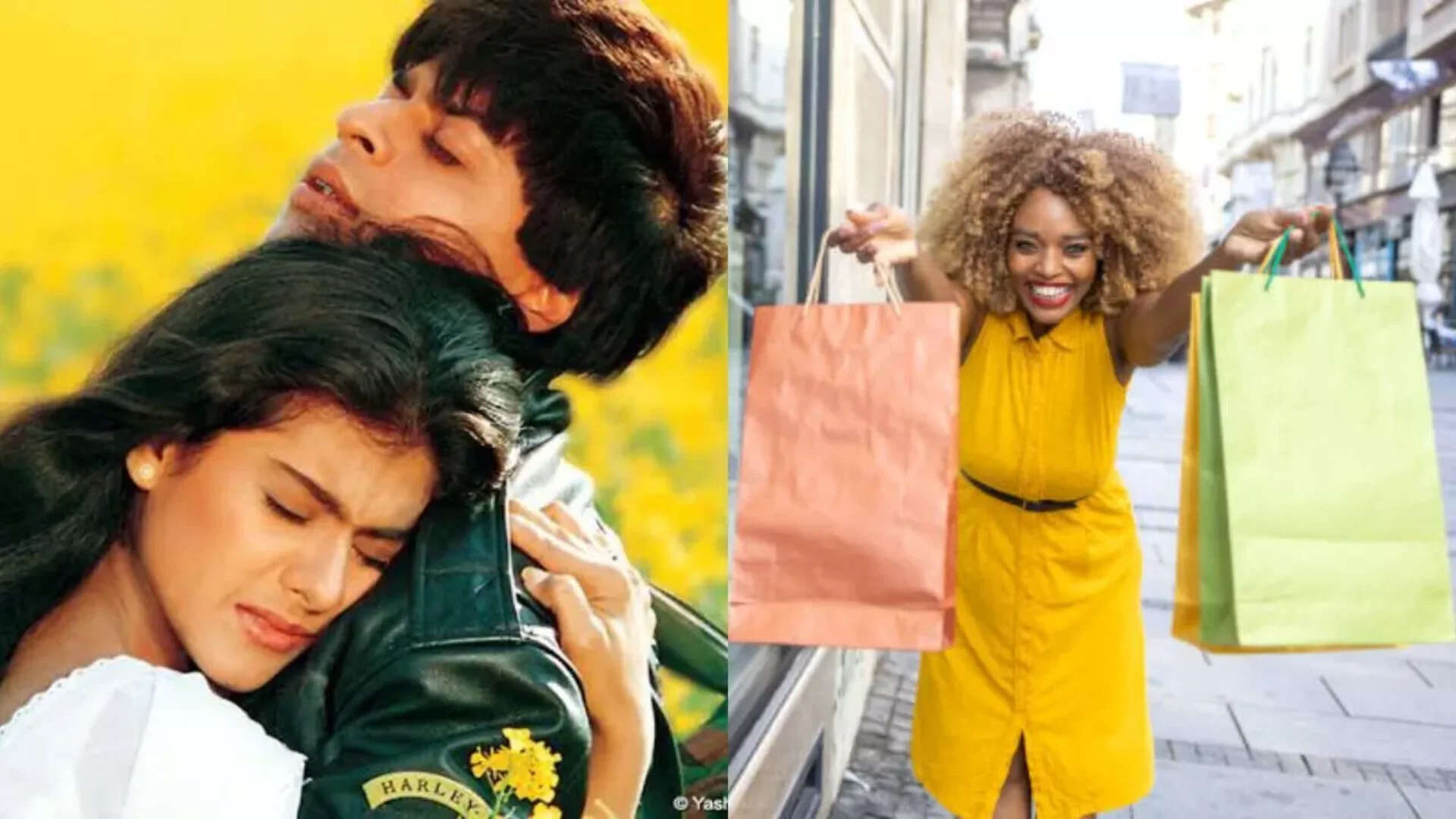
The only answer that comes to mind is being shot by the hypodermic needle of capitalism. Developed in the 1920s and 1930s, the hypodermic needle or magic bullet theory posited that mass media has a direct, immediate and powerful impact on a passive audience. For women who have been shot dead by Shah Rukh Khan's dialogues in DDLJ, mafia lords in fiction and site-wide sales on lifestyle apps, the realisation might not come late enough. Ask yourself one question: How many male apps or sites are you aware of? How many of them host sales faster than you empty your sale buys? A simple eye-opening screening through your mind will reveal the fact that female brands, apps, websites and influencers dominate the market. One could even say it wouldn't exist without them. Why? Because years of conditioning have influenced women so thoroughly that separating themselves from the clutches of capitalism might as well lead to a death of their will to live. From New Year to Christmas and every public holiday in between, brands host sales. What are they offering? Skincare, haircare, apparel, footwear, and every other thing a woman might not be aware she "needs". Throughout the year, the market lives and breathes on reminding women about the innumerable things they lack or what is wrong with them. From supplements for their skin to heels for their height, everything exists to be bought by them to make themselves better. However, there magically arrives one day in the year, yes, women's day, when the world (the market) offers you to make purchases because everything is right with you. You are enough, you are beautiful, you are capable and you are perfect: "just the way you are"While year-round media campaigns from these brands might be aimed at making the hair smoother, the skin brighter, and the figure better, on this day, they change.
Buy this conditioner because your hair is perfect the way it is and it should be gifted with nourishment, buy this cream to make your already ideal self shine brighter and so on. How does one escape to see through this charade? Easy, none is the wiser, because the wiser is the mind behind these needles. Filling them with the right amount of vanity to be able to strike the rest numb and slowly, dead.
Were women of the past wiser?
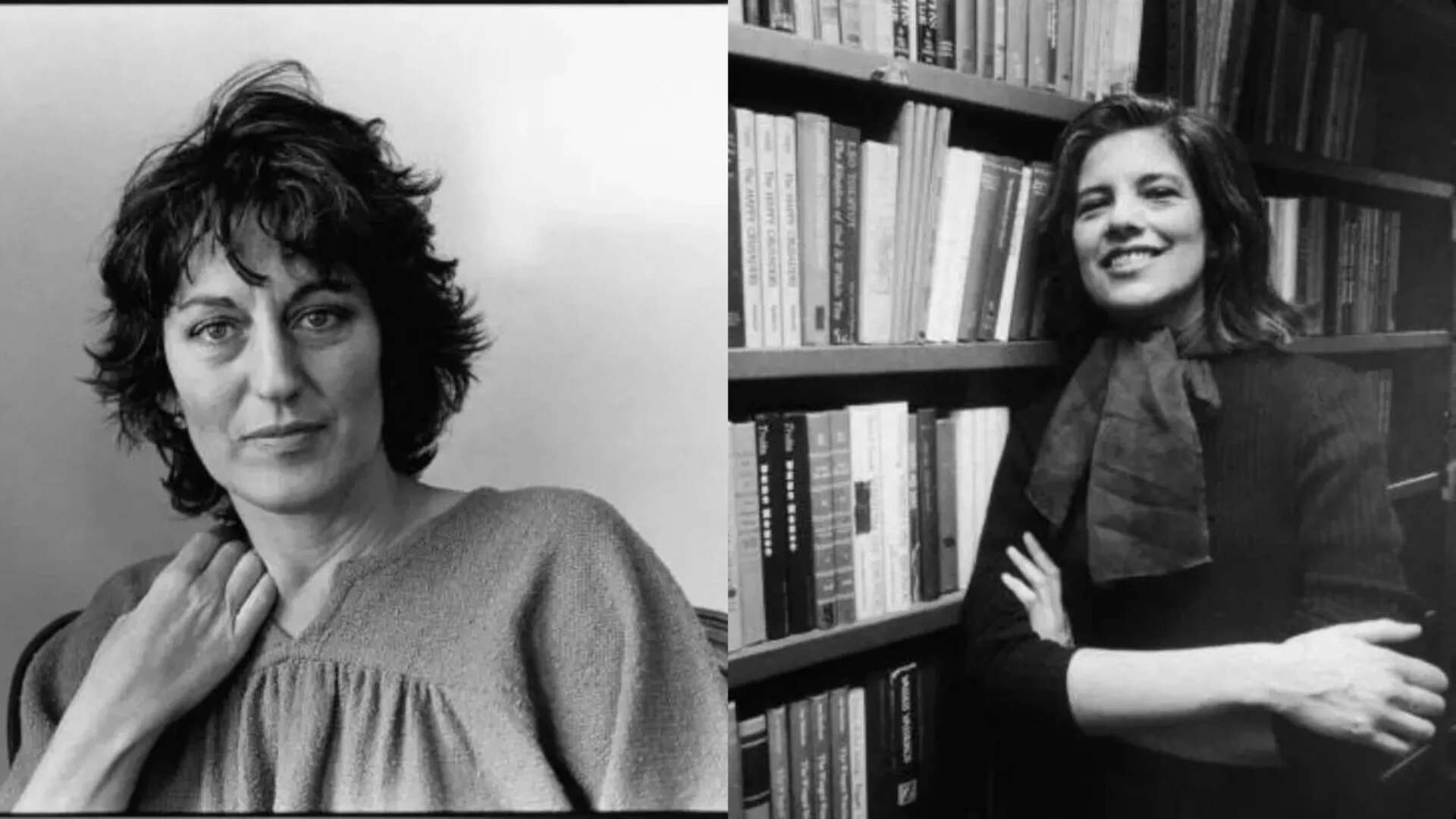
'The Female Eunuch' by Germaine Greer came out in 1970 and one of the most striking lines in the book read: "The depression of women is necessary to the maintenance of the economy."In truth, the market is run by making women vary of themselves, of projecting onto them the views of others that will never be completely positive, much less appreciative at any stage or point. Greer, whose writings were controversial at the time and remain so today, made a mark on the conditioning of women. From childhood to marriage and even death, they know the customs of all by adolescence. Not by the virtue of curiosity but by the pressure of responsibility, one that was never their sole to begin with.
She highlighted how women have surrendered to the want of a secure marriage and stable life so much so, that they are willing to live life as a mother of four, sister to one and nothing to her own. Another beloved writer, Susan Sontag also puts forth a point. In her book 'On Women' and her 1975 essay, 'A Woman's Beauty: Put Down or Power Source?' she argued that women had been conditioned to view their bodies as "objects of admiration" and to "scrutinise and evaluate each body part separately."
She asserted that society treated women as the "caretakers of their surfaces" and in doing so, women internalised the idea that their value is defined by their appearance rather than their character and abilities.
One of the most important points she made, and which stands true even today, is the paradox of it all. While women are pressured to be feminine, they are also quickly criticised for being vain or superficial for caring about their appearance.
And thus, Sontag called for women to free themselves of the "mythology of the 'feminine'."
Reel-life examples
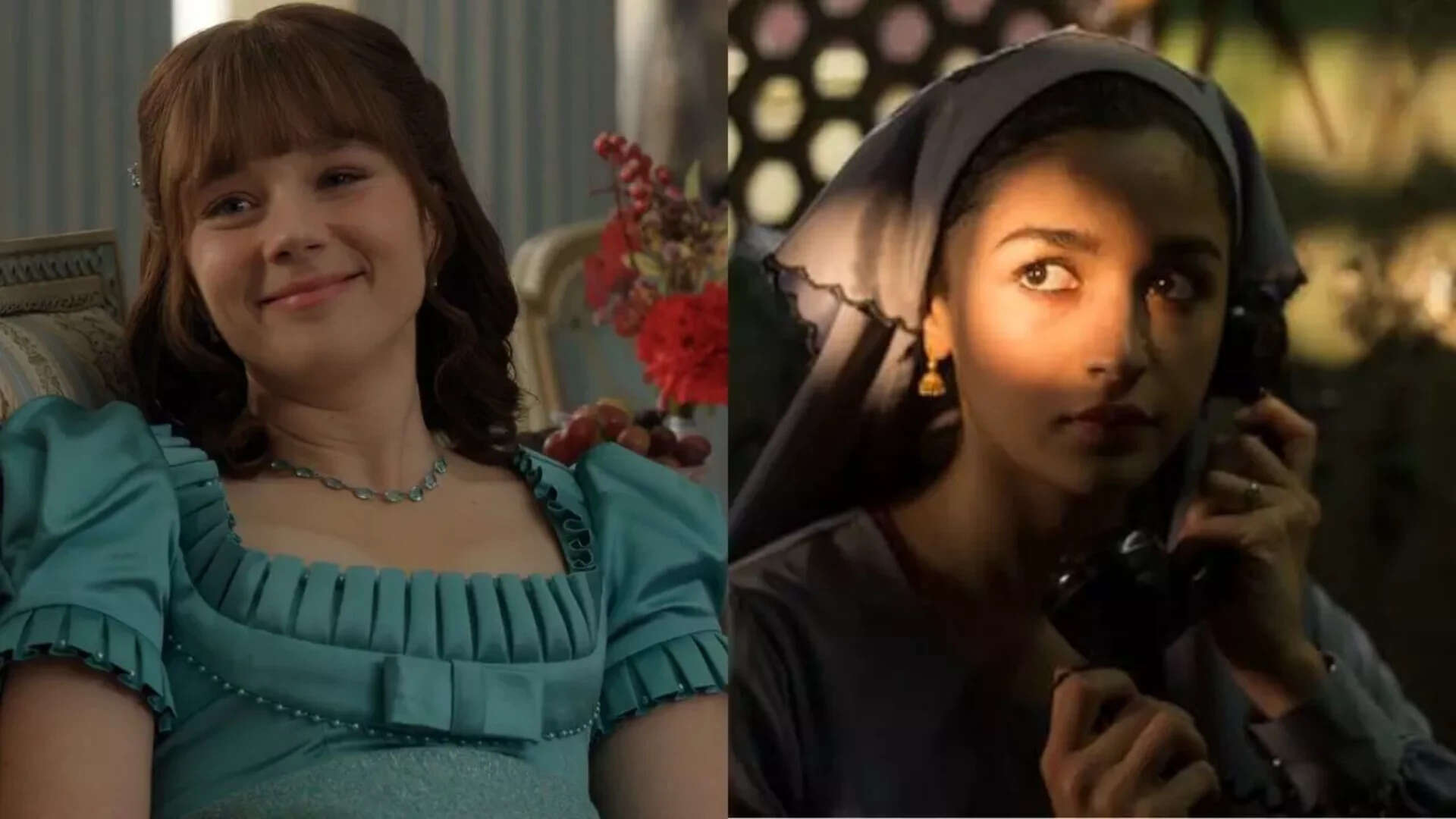
Some characters might make it more relatable. Eloise Bridgerton, a character in the hit Netflix series 'Bridgerton' is one such. In the Victorian era, when the ruffles of the skirt and the perms of the hair were more valuable than what a woman said, as she was preferred to be silent, she did the opposite. Her character is a well-read, well-educated woman who wished to have attended university.
She has her own ideals and values, so strong that submitting to the fancy whims of "diamond of the season" or becoming a "spinstress" doesn't endanger the space that she bravely exists in.
Those like Sehmat Khan from 'Raazi' also make a statement—an Indian spy who marries into a Pakistani family to be able to supply vital information back home. Sehmat goes through the experiences of love, devotion, companionship and more, but her service to her country takes the top.
She risks her life and the safety of her own land and family, all to make a difference, one that counts.
The moral of the story
There is absolutely nothing wrong with celebrating Women's Day. But gleefully rolling around in its rubble of commercialisation of women's empowerment is an act of irresponsibility. In Henrik Ibsen's 1879 play 'A Doll's House' Nora asked Helmer "What do you consider is my most sacred duty?" to which he answered, "Your duty to your husband and children."Her reply is what I want you to ponder upon. "I have another duty, just as sacred...my duty to myself. I think that before all else I am a human being, just as much as you are--or, at least, I will try to become one. I know that most people agree with you, Torvald, and that they say so in books. But henceforth I can't be satisfied with what most people say, and what is in books. I must think things out for myself and try to get clear about them.
"In his essay 'On the Education of Women', Choderlos de Laclos argued that true education for women is impossible within the existing patriarchal society, which forces them to be "artificial" to please men. "There is no remedy; the vices have become the customs," he wrote.
Jana Barrett, a movement coach recently made a post on Instagram that has gone viral across social media platforms. Titled 'My ex-husband just won his second BAFTA and it brought up a lot for me', it revealed that Barrett has been managing the family and children for the past 17 years while her former husband pursued his passions. "Behind many celebrated men is a woman whose labour made the achievement possible and her name is never on the award," she wrote. She added that the role of care and attention was always performed by women, not because they weren't ambitious but because society had assigned it to them without anyone actually agreeing to it. Women perform roles full-time, and live life on the side. With an hour of workout or a four-day trip escaping the chaos. But that is not why you are here. Through it all, you must realise the hand coming forward to castrate your identity and take the knife to shed the donned layers and carve out what it truly is, you want to be.







 English (US) ·