

 1 hour ago
4
1 hour ago
4
ARTICLE AD BOX
The Karnataka High Court set aside a Mysuru court's interim maintenance order against a husband after noting the wife's admitted income. It said maintenance cannot be granted mechanically when a wife is financially able to support herself.
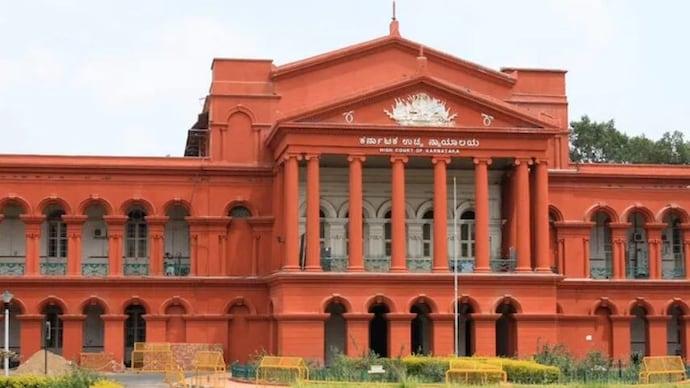
The wife had filed proceedings against her husband and his family under the Protection of Women from Domestic Violence Act, seeking Rs 1,13,515 a month towards maintenance and Rs 50,000 towards litigation expenses. (File photo)

Bengaluru,UPDATED: Jun 30, 2026 23:32 IST
The Karnataka High Court has said courts should grant interim or final maintenance only when it is shown that a wife does not have the financial means to maintain herself in keeping with her husband’s standard of living. The court made the observation while setting aside a trial court order directing a husband to pay his wife Rs 20,000 a month as interim maintenance.
In its June 18 order, Justice Dr Chillakur Sumalatha allowed the husband’s plea against the December 19, 2025 order of a court in Mysuru, holding that the trial court had failed to consider the wife’s income before passing the direction. The High Court noted that the wife had disclosed in her affidavit on assets and liabilities that she was earning Rs 1,00,000 a month.
In the order, the court said, “In her affidavit disclosing her assets and liabilities, she herself mentioned that she gets Rs 1,00,000 per month as salary. The Trial Court, which discussed the earnings of the petitioner/husband, ought to have discussed the earnings of respondent (wife) and thereafter should have come to a conclusion with regard to the entitlement for interim maintenance. But, totally ignoring the earnings of wife, the impugned order came to be passed.”
The High Court said that merely because a woman, particularly a wife, files a petition under the Protection of Women from Domestic Violence Act, the Hindu Adoptions and Maintenance Act, or other laws recognising the right to claim maintenance, courts cannot automatically direct the husband to pay maintenance.
It said, “When the wife is financially sound and in case where the income of the wife is more than that of the husband and where no other liabilities are found on part of the wife, like looking after the children, courts should not be inclined to pass an order granting maintenance on the ground that women are required to be maintained by men or wife is required to be maintained by her husband.”
It added, “It should be borne in mind that only when it is shown that the wife has no financial sources to maintain herself according to the standards of her husband, then only Courts are required to award maintenance either interim or final.”
Referring to the facts of the case, the court said the wife’s income was higher than that of the husband. “With her admitted income of Rs 1,00,000 per month, she can maintain herself. Therefore, there is no requirement for the Trial Court to order the writ petitioner/husband to pay a sum of Rs 20,000 per month out of his earnings of Rs 60,646 per month.” The court added, “Hence, this Court is of the view that the order under challenge is unsustainable in the eye of law.”
The wife had filed proceedings against her husband and his family under the Protection of Women from Domestic Violence Act, seeking Rs 1,13,515 a month towards maintenance and Rs 50,000 towards litigation expenses. After hearing both sides, the trial court directed the husband to pay Rs 20,000 a month as interim maintenance.
Challenging that order, the husband said the marriage took place in 2024 and that the couple had lived together for only two months. He also argued that the wife earned more than Rs 1 lakh a month. His counsel submitted that, according to TDS records, her monthly salary was Rs 1,64,285, while he, working for a private limited company, earned around Rs 57,000 a month. Counsel also said the couple had no children and that the wife had no other liabilities apart from maintaining herself.
Opposing the plea, the wife said she was the only child of her parents. Her counsel argued, “No doubt she is earning around Rs 1 lakh per month, but she is under an obligation to clear all the debts she incurred for her marriage,” and sought dismissal of the writ petition.
While allowing the petition and setting aside the order of the Judicial Magistrate First Class Court, Mysuru, the High Court clarified that its observations were only for deciding the validity of the challenged order and would have no bearing on the final disposal of the case or on any interim applications filed or to be filed by the wife claiming maintenance, including interim maintenance, because of any change in circumstances.
In sum, the High Court set aside the interim maintenance order after finding that the trial court had not considered the wife’s admitted income, while also making clear that any future claim for maintenance would have to be considered on its own facts and circumstances.
- Ends
Published By:
India Today Web Desk
Published On:
Jun 30, 2026 23:32 IST








 English (US) ·