

 2 hours ago
7
2 hours ago
7
ARTICLE AD BOX
Last Updated:June 16, 2026, 01:58 IST
IMO chief said that once mine-clearance operations are completed, attention will shift to the evacuation and movement of hundreds of vessels and thousands of seafarers.


Vessels in the Strait of Hormuz, as seen from Musandam, Oman.
The reopening of the Strait of Hormuz following the landmark US-Iran peace agreement will depend first and foremost on the successful removal of mines and other navigational hazards from the vital waterway, the head of the International Maritime Organization (IMO) has said.
Speaking to the BBC after US President Donald Trump announced a deal with Iran that includes the reopening of the Strait, IMO Secretary-General Arsenio Dominguez said restoring normal shipping operations would be a gradual process rather than an immediate return to pre-war traffic levels.
“The removal of mines from the Strait of Hormuz is an essential first step to returning maritime traffic to pre-war levels," Dominguez said.
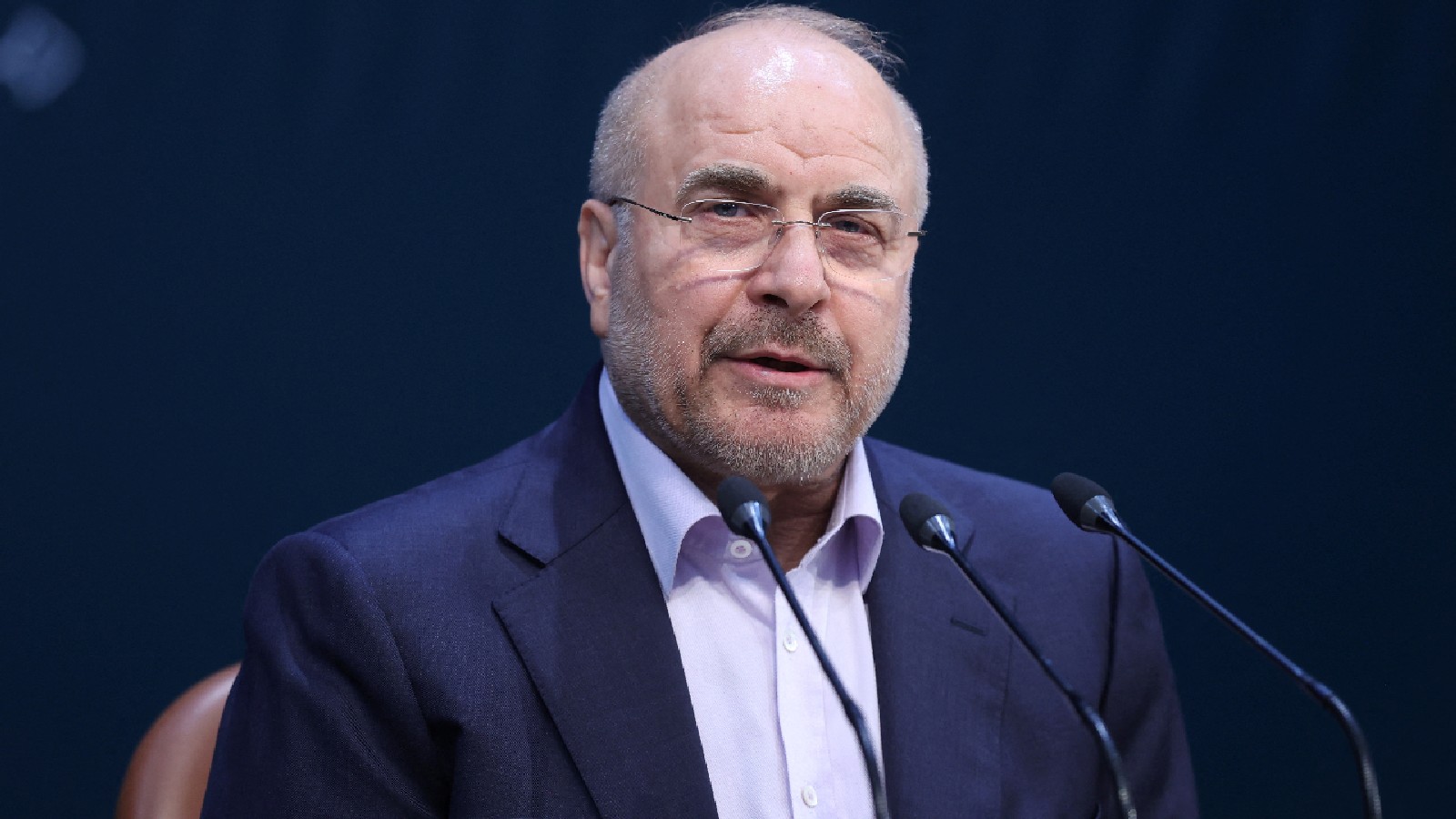
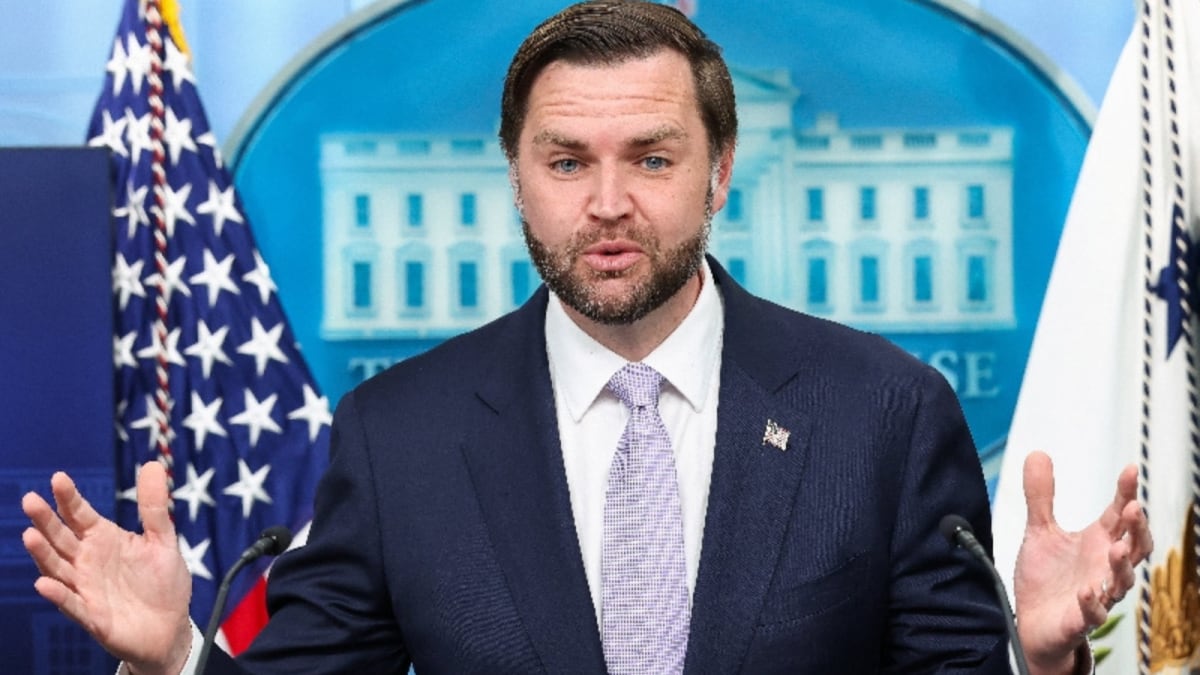
His comments come as Trump has repeatedly stated that the Strait is already partially open and will be “completely open" by Friday under the terms of the US-Iran memorandum of understanding. The agreement, signed by Trump, Vice President JD Vance and Iranian Parliament Speaker Mohammad Bagher Ghalibaf, is aimed at ending the conflict and restoring freedom of navigation through one of the world’s most strategically important maritime corridors.
However, maritime authorities caution that significant operational challenges remain.
Dominguez said that once mine-clearance operations are completed, attention will shift to the evacuation and movement of hundreds of vessels and thousands of seafarers who have been stranded in the Gulf during months of hostilities.
“Once that happens then we will start working on the evacuation of the ships and the seafarers that have been there for around four months," he said.
More than 500 vessels are currently believed to be waiting in the Gulf, with thousands of crew members aboard. According to the IMO chief, safely managing the backlog will require close coordination among regional governments and maritime authorities.
“We’ve been working with the countries in the region, particularly Oman and Iran, as well as the coastal states, in order to make sure that there are no hazards," Dominguez said.
Even after stranded ships begin moving, he warned that restoring the Strait to its pre-conflict average of around 130 vessel transits per day would require additional safety measures and confidence-building efforts.
A sudden rush by ships seeking to exit the region could create new risks, including maritime accidents and congestion in the narrow waterway.
“There is a need for an organized approach," Dominguez said, warning that uncoordinated movements could lead to collisions.
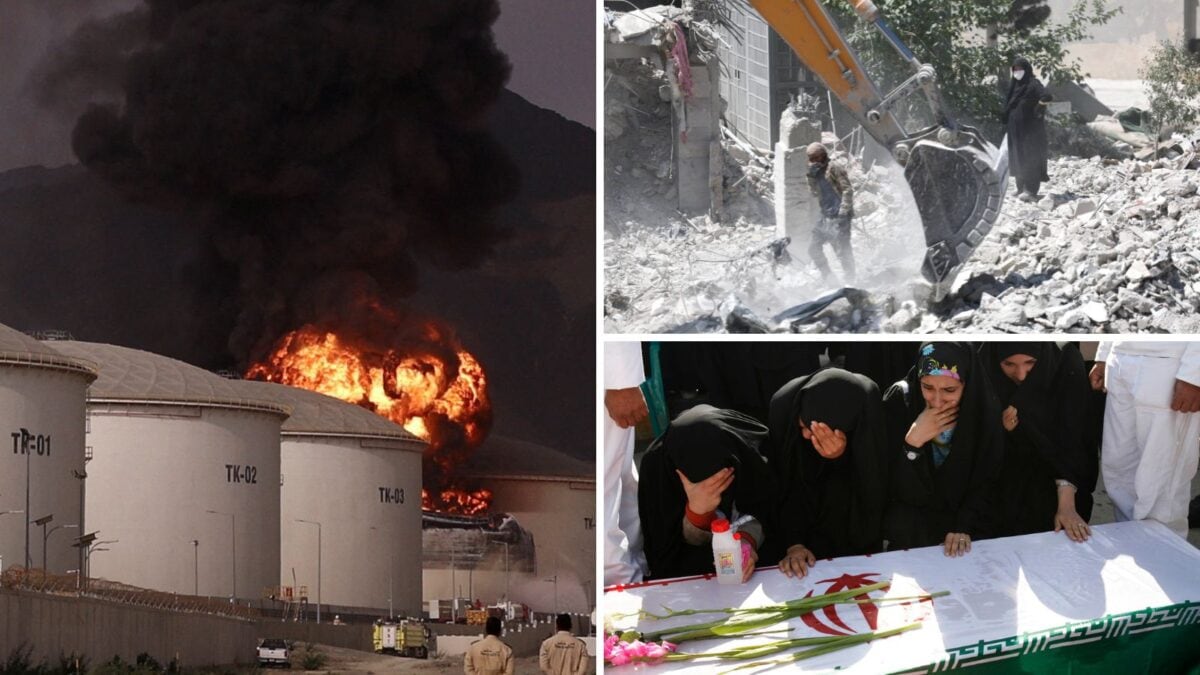
The Strait of Hormuz handles roughly a fifth of global oil trade and is considered one of the world’s most critical energy chokepoints. Its closure during the conflict disrupted shipping routes, increased insurance costs and contributed to volatility in global energy markets.
Handpicked stories, in your inbox
A newsletter with the best of our journalism
News world Will Shipping Resume Through Hormuz? Removing Mines Is Critical First Step, Says IMO Chief
Disclaimer: Comments reflect users’ views, not News18’s. Please keep discussions respectful and constructive. Abusive, defamatory, or illegal comments will be removed. News18 may disable any comment at its discretion. By posting, you agree to our Terms of Use and Privacy Policy.
Read More




 English (US) ·