

 1 hour ago
7
1 hour ago
7
ARTICLE AD BOX
Last Updated:January 27, 2026, 09:37 IST
The Mahayuti alliance may have crossed the magic 114-mark, but the statutory committees—the engines that drive the city’s Rs 74,000 crore budget—reveal a more nuanced power dynamic

Uddhav Thackeray’s Shiv Sena (UBT), despite losing the top spot, is set to secure eight spots on the Standing Committee and another eight on the Improvements Committee.
In the hallowed, high-ceilinged corridors of Mumbai’s civic headquarters, the dust from the 2026 elections has finally settled, but the air remains thick with the scent of tactical manoeuvres. The Bharatiya Janata Party (BJP) and Eknath Shinde’s Shiv Sena have successfully breached the Thackeray bastion, but as any veteran of the BMC will tell you, winning the floor is only half the battle. The real governing happens in the committees, and there, the numbers tell a story of a “razor-thin" dominance.
The Mahayuti alliance may have crossed the magic 114-mark, but the statutory committees—the engines that drive the city’s Rs 74,000 crore budget—reveal a more nuanced power dynamic. The BJP, as the single-largest party with 89 seats, is the undeniable heavyweight. According to the latest seat-distribution metrics, the saffron party is poised to dominate the Standing Committee and Improvements Committee with 10 representatives each. Yet, the math of representation ensures that the Opposition is far from silenced.
Uddhav Thackeray’s Shiv Sena (UBT), despite losing the top spot, remains a formidable Opposition. With 65 seats, they are set to secure eight spots on the Standing Committee and another eight on the Improvements Committee. In a house where every vote on a multi-crore infrastructure tender counts, this isn’t just a presence—it’s a leverage.
The most intriguing part of this new civic puzzle is the distribution among the smaller players. Eknath Shinde’s Sena, with 29 seats, will have to settle for three members in the key committees, while the Congress and AIMIM have carved out enough of a niche to remain relevant in the decision-making process.
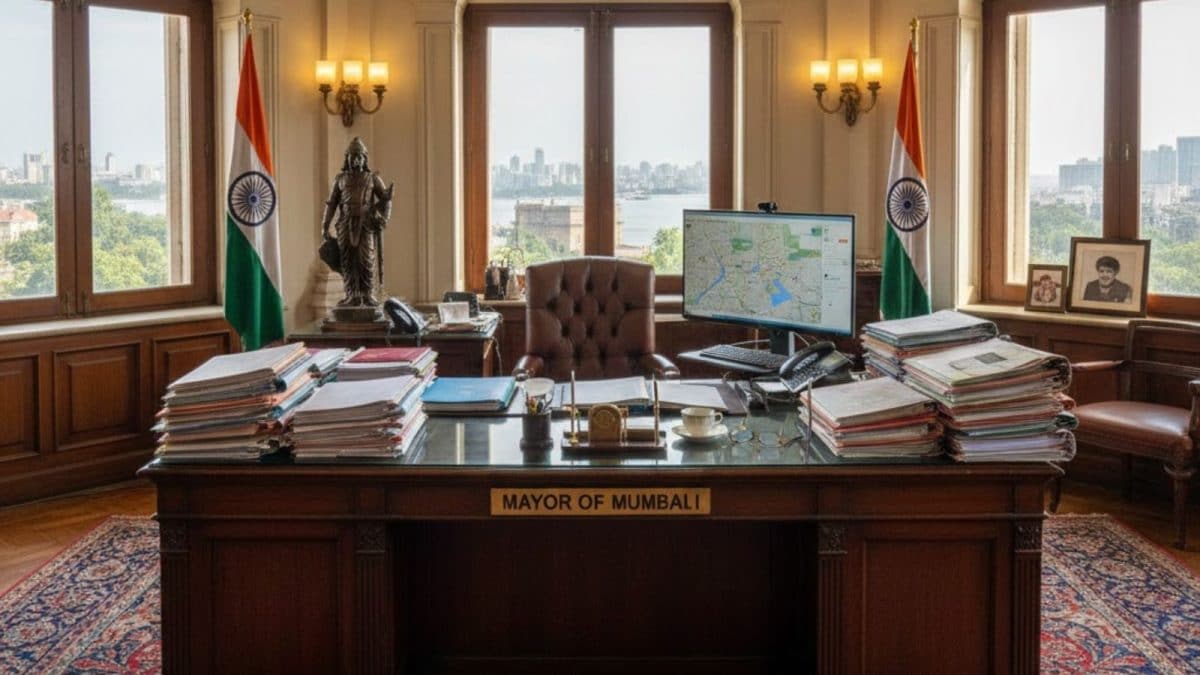
For the ruling alliance, the next five years will be an exercise in treading on eggshells. While they have the numbers to install a Mayor—now confirmed to be from the General Woman category—the day-to-day clearance of proposals will require more than just a mandate; it will require the kind of floor management that has often eluded alliances in this house.
The era of one-party dominance in Mumbai is officially over. What the country is witnessing now is the return of “negotiated governance". For the Mahayuti, the challenge isn’t just to rule, but to navigate a committee structure where the Opposition is just one defection or one strategic absence away from stalling works.
Handpicked stories, in your inbox
A newsletter with the best of our journalism
First Published:
January 27, 2026, 09:37 IST
News politics Winning The House, Negotiating The City: Inside Mumbai's New Civic Math
Disclaimer: Comments reflect users’ views, not News18’s. Please keep discussions respectful and constructive. Abusive, defamatory, or illegal comments will be removed. News18 may disable any comment at its discretion. By posting, you agree to our Terms of Use and Privacy Policy.
Read More

 English (US) ·