

 48 minutes ago
3
48 minutes ago
3
ARTICLE AD BOX
Last Updated:May 25, 2026, 07:51 IST
Despite President Donald Trump announcing that a peace agreement with Iran has been “largely negotiated," the White House has said that the deal could take days to finalise.


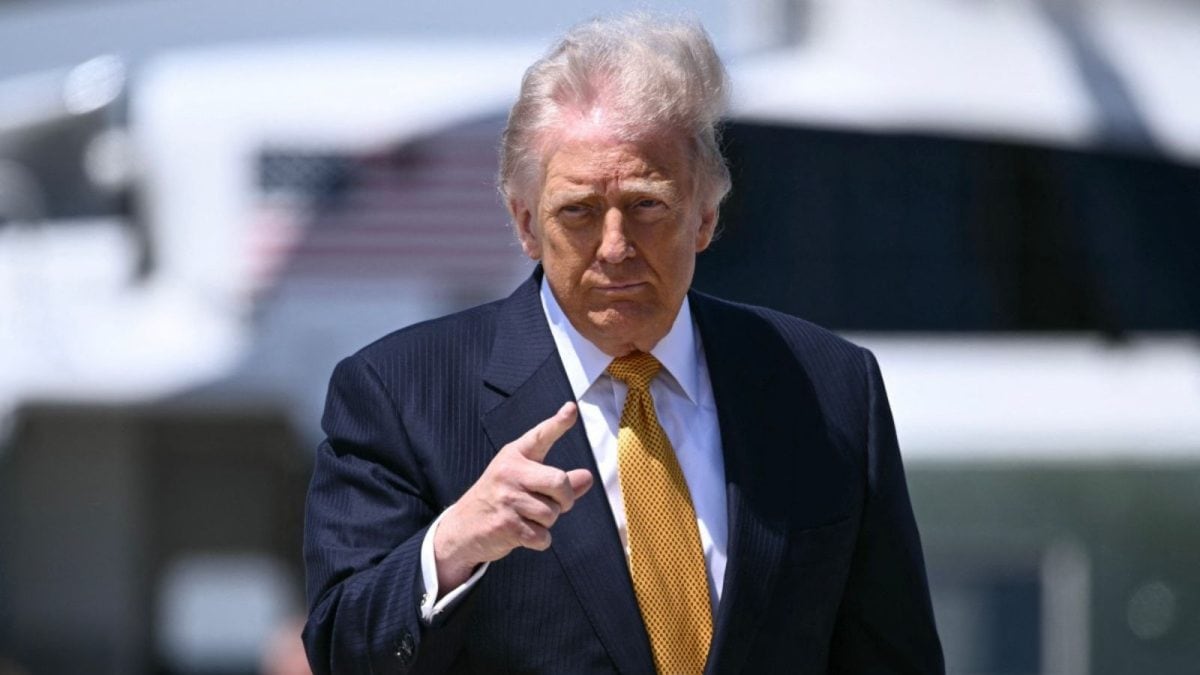
US President Donald Trump (Reuters)
A day after US President Donald Trump announced that a peace agreement with Iran has been “largely negotiated", he backtracked saying that Washington will not rush into finalising a peace agreement with Iran, even as negotiations continue over ending the three-month conflict in the Gulf region.
Despite the optimism expressed earlier, the White House also now says important issues remain unresolved.
What Trump said on the Iran peace deal?
Speaking publicly and posting on Truth Social, Trump said he had instructed negotiators “not to rush into a deal".
He stressed that any agreement with Iran must be “solid and lasting" rather than quickly completed. “Both sides must take their time and get it right," Trump said.
He also defended his administration’s approach to the talks and said the proposed agreement was very different from the 2015 nuclear deal negotiated under former US President Barack Obama.
Trump called the Obama-era agreement “one of the worst deals ever made" and claimed it had given Iran a path towards developing nuclear weapons. He insisted the current negotiations were “THE EXACT OPPOSITE".
Hormuz blockade remains
Trump confirmed that the US naval blockade on Iranian shipping around the Strait of Hormuz would remain fully in place until a formal agreement was completed.
The blockade began in April 2026 and has heavily restricted Iranian commercial and military shipping around key ports linked to the strait. “Full force and effect" would continue until the deal was “reached, certified, and signed", Trump said.
The Strait of Hormuz remains one of the world’s most important energy routes. Before the conflict began, nearly one-fifth of global oil and liquefied natural gas shipments passed through the waterway.
The restrictions have raised major concerns about global energy supplies and oil prices.
Key issues still unresolved
Meanwhile, Axios quoted US officials who said deal negotiators were still working through several disputed points and the agreement could take days to finalise. A senior Trump administration official said no agreement was expected to be signed immediately because Iran’s decision-making process remained “slow and opaque".
“There is still back and forth on specific details. Some words we care about, some words they care about," the official said, as quoted by Axios.
The White House believes Iran’s Supreme Leader Mojtaba Khamenei has endorsed the broad framework of the deal, although there has been no official confirmation from Tehran.
Iranian President Masoud Pezeshkian said the country was prepared to reassure the world that it was not seeking nuclear weapons.
However, he added that Iran would not compromise on its “honour and dignity".
Iran-linked Tasnim news agency accused the United States of creating obstacles in the talks, particularly over Tehran’s demand for the release of frozen Iranian funds held abroad.
Proposed Iran framework
According to US officials, the draft framework includes reopening the Strait of Hormuz and gradually easing maritime restrictions.
The agreement would reportedly include a 60-day ceasefire and a phased reopening of shipping routes.
The US official said Iran had agreed “in principle" to reopen the strait in exchange for lifting the American naval blockade.
Officials also claimed Iran had agreed in principle to dispose of its stockpile of highly enriched uranium, although details remain under negotiation.
Possible solutions being discussed include diluting Iran’s enriched uranium under the supervision of the UN nuclear watchdog.
The Trump administration wants any final agreement to cover Iran’s entire stockpile of enriched uranium, estimated at around 2,000 kilograms.
The proposed deal also includes discussions over a moratorium on uranium enrichment, though negotiators are still debating how long such restrictions would last. “We want to see a substantial commitment to forgo enrichment," a US official said.
Criticism inside the US
The emerging agreement has drawn criticism from both Republicans and Democrats in the United States.
Opponents argue that the current framework resembles the 2015 nuclear agreement that Trump himself withdrew from during his first term.
Democratic Senator Chris Van Hollen described the reported framework as “the pre-war status quo".
Trump also pushed back against criticism from conservative allies unhappy with negotiations with Tehran.
He insisted that any agreement reached would be “a good and proper one".
Energy crisis continues
The continuing conflict and restrictions around Hormuz have intensified the global energy crisis.
Oil, fuel, fertiliser and food prices have risen sharply worldwide since the fighting began between the US, Israel and Iran on February 28.
Iran’s Revolutionary Guards claimed only 33 vessels crossed the Strait of Hormuz in the last 24 hours after receiving Iranian permission. Before the conflict, roughly 140 vessels crossed daily.
An Iranian military adviser also said Tehran retained the legal right to manage traffic through the strategic waterway.
Industry officials warned that normal shipping activity through the strait may not fully return before 2027.
The war has already killed thousands in Iran and Lebanon, displaced hundreds of thousands of people and triggered retaliatory strikes across the region.
Meanwhile, Israeli Prime Minister Benjamin Netanyahu remains involved in discussions with Washington over the proposed agreement.
US officials said coordination between Washington and Israel had remained “quite close", although Israeli officials reportedly remain sceptical about whether Iran’s leadership will ultimately approve the deal.
Handpicked stories, in your inbox
A newsletter with the best of our journalism
Location :
Washington D.C., United States of America (USA)
News world ‘Won’t Rush’: Trump Hits Brakes On Iran Peace Talks A Day After Deal ‘Largely Negotiated’ Claim
Disclaimer: Comments reflect users’ views, not News18’s. Please keep discussions respectful and constructive. Abusive, defamatory, or illegal comments will be removed. News18 may disable any comment at its discretion. By posting, you agree to our Terms of Use and Privacy Policy.
Read More





 English (US) ·