

 1 hour ago
2
1 hour ago
2
ARTICLE AD BOX
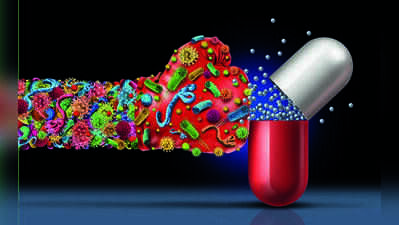
Ahmedabad: The analysis of antimicrobial resistant (AMR) organisms identified by the state-based institutions indicated that healthcare institutions reported the highest at 69%, followed by 25% from animals and fisheries, and 6% from environment.The state had launched the ‘State Action Plan for Containment of Antimicrobial Resistance - Gujarat’ (SAPCAR-G) two years ago.As July 6 is celebrated as World Zoonoses Day to mark the anniversary of biologist Louis Pasteur administering the first rabies vaccine on July 6, 1885, the day is marked to raise awareness about infectious diseases transmitted between animals and humans.Senior state officials said that the institutions have contributed to molecular surveillance and confirmation of pathogens, including SARS‑CoV‑2 (Covid), leptospirosis, avian influenza, buffalo pox, brucellosis, and Chandipura virus.The dashboard for AMR and One Health surveillance, however, was taken off the website of Gujarat Biotechnology Research Centre (GBRC).Sources working with the public health institutions said that the concept of One Health is to take into consideration the animal kingdom and environment along with human diseases for early identification and intervention. “Covid has underlined the importance to ascertain the impact of birds and animals and close monitoring of their interaction.
In Gujarat, several of the micro-organisms have been transmitted through milch animals.
Timely vaccination and monitoring are thus required. A research on characteristics of Chandipura virus is on in context of the recent outbreak,” said an official.The state is part of national networks of genomic expertise, pathogen detection capabilities, and surveillance data, added officials.









 English (US) ·