

 2 hours ago
6
2 hours ago
6
ARTICLE AD BOX

Your Clothes Are Making You Miserable: The Shocking Truth About Post-Holiday Work Wardrobes
Stepping back into the office after the Easter holidays can feel like an emotional hurdle. The festive break is over, routines restart and for many, the simple act of getting dressed feels heavier than it should but according to style experts, what you wear might be doing more than just covering you up.
It could be quietly working against your mental state.In an interview with the Times of India, Leanna Spektor, Co-Founder and Style Expert at Brand House Direct, a leading Australian online retailer specialising in footwear, apparel and accessories, shared, “People underestimate how much their clothing affects their psychological wellbeing.” Experts in the footwear and fashion industry claim to have seen firsthand how wardrobe decisions influence confidence and comfort.
Read on as we reveal how your post-holiday wardrobe might be intensifying the back-to-work blues and what you can do about it.
How colour affects workplace mood
The shades you choose each morning have a bigger psychological impact than most people realise. According to a recent 2026 study in Social Psychological and Personality Science, “Clothing systematically influences psychological processes, including mood, attention and self-perception, through both symbolic meaning and physical experience.” It confirms that clothing impacts mental wellbeing and supports the claim that wardrobe choices influence confidence and mindset.
Leanna explained how colour can either lift your spirits or drag them down during those difficult first days back. “Muted, grey or dark colour palettes might feel like safe, professional choices but they can actually suppress your mood,” said Leanna. “After the vibrancy of the holiday period, returning to a wardrobe dominated by blacks, greys and browns can reinforce feelings of dullness and fatigue.”
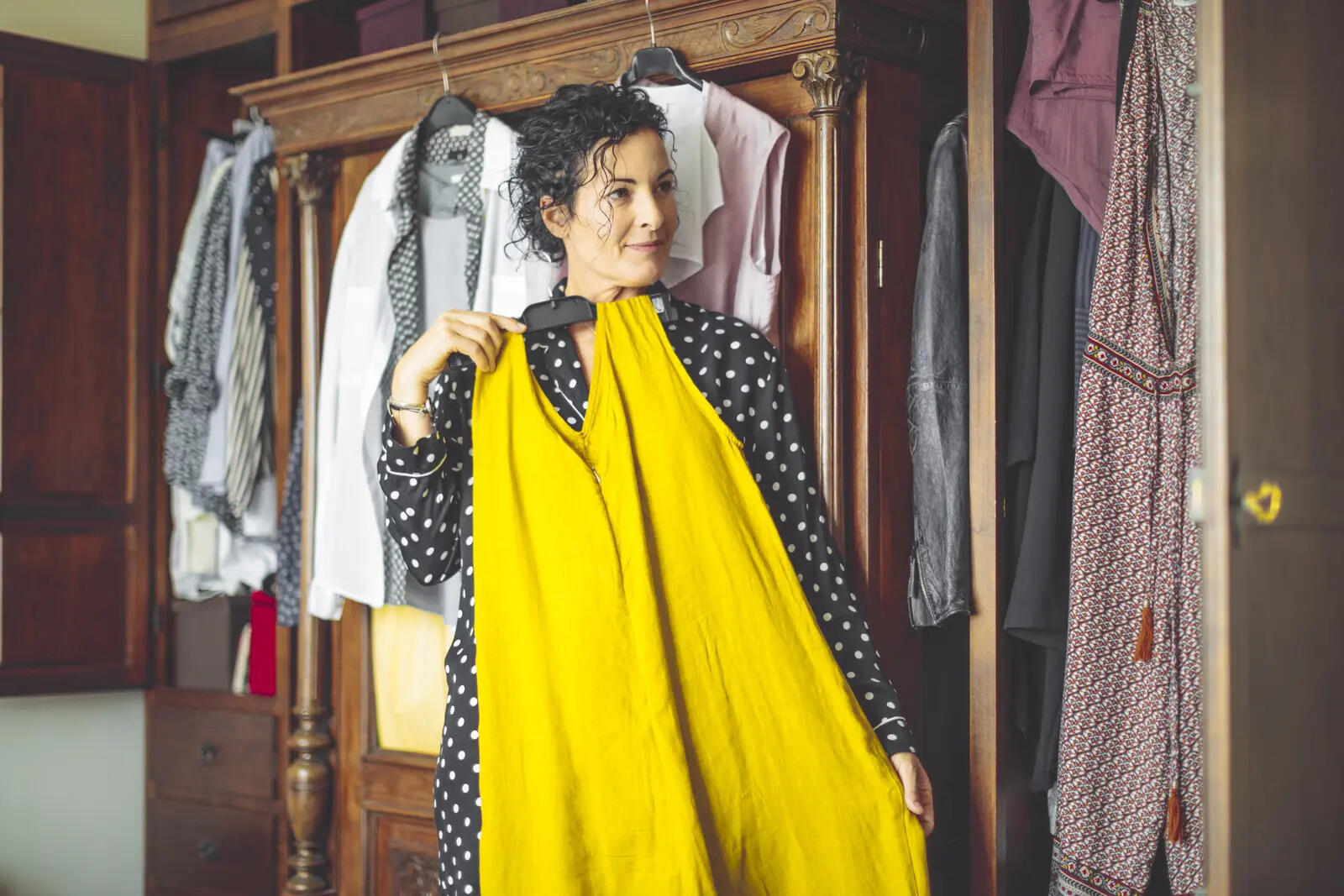
Post-Holiday Blues? How Your Wardrobe Impacts Mental Wellbeing and Boosts Confidence
Wearing the same neutral tones day after day can contribute to a sense of flatness that mirrors seasonal fatigue.
On the other hand, incorporating small pops of colour, even through accessories or inner layers, can provide a psychological lift without compromising professionalism.A 2025 study in Annual Review of Psychology (widely cited in 2026 behavioural research) established, “Colour exposure significantly affects emotional states, with brighter hues associated with increased positive affect and darker tones linked to reduced mood and energy.” It reinforces that dark, muted colours can dampen mood so incorporate small pops of colour for psychological uplift.“You don't need to overhaul your entire wardrobe,” Leanna advised. “A burgundy scarf, cobalt blue blouse or even colourful shoes can shift your mindset. These small additions signal energy and intention, which helps counteract the post-holiday slump.”
The stress of restrictive clothing
Physical discomfort from clothing can heighten your body's stress response. Leanna highlighted how restrictive garments can worsen anxiety during an already tense transition period.“Tight waistbands, stiff fabrics, and poor breathability put your body under constant low-level strain,” explained Leanna. “When you're already feeling anxious about being back at work, that physical discomfort gets magnified. Your body interprets it as another stressor, which can increase cortisol levels and leave you feeling more on edge.”
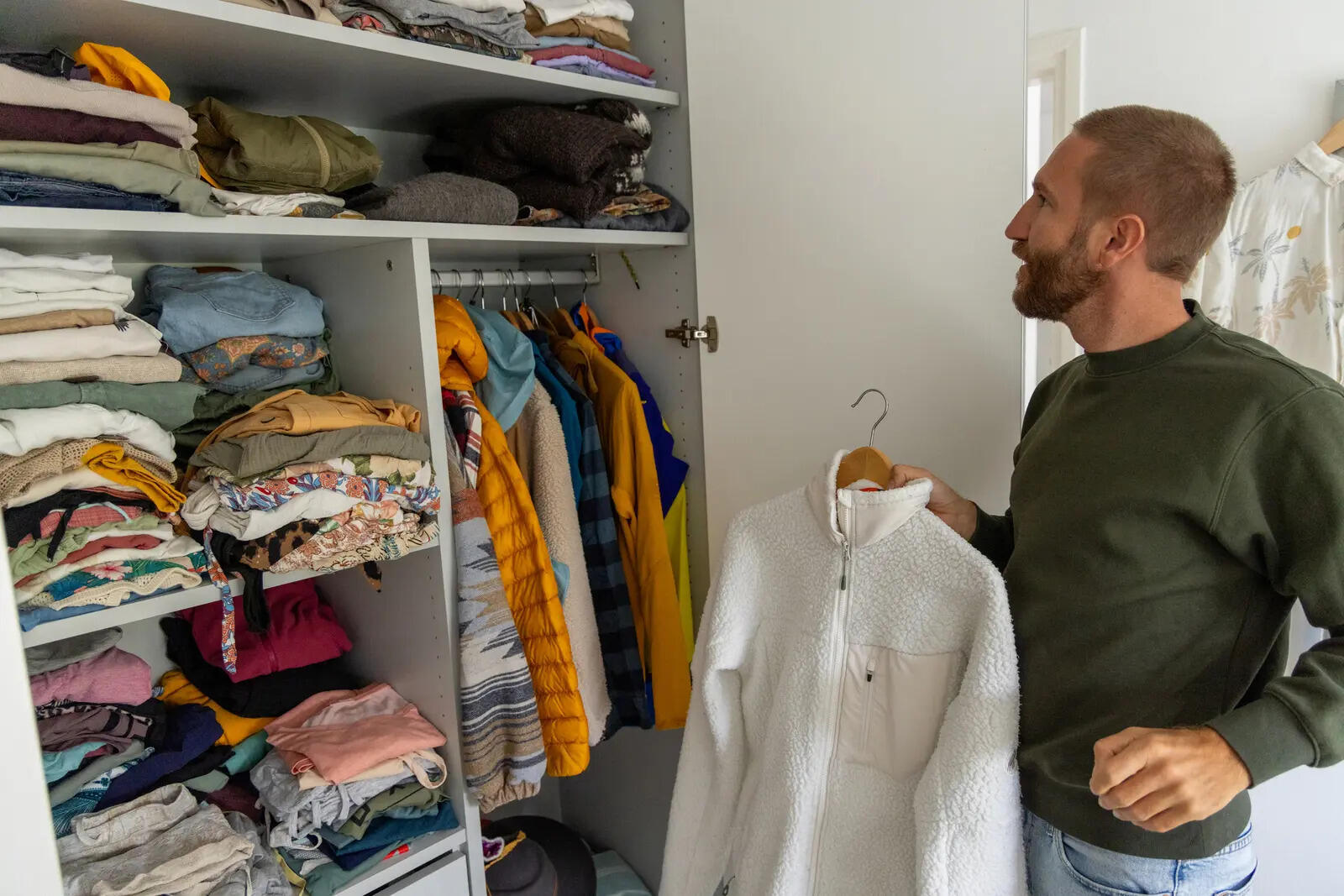
Is Your Wardrobe Sabotaging Your Return to Work? Experts Reveal How to Beat the Post-Holiday Blues
Restrictive clothing also creates self-consciousness. Constantly adjusting a too-tight collar or struggling with trousers that dig in pulls your attention away from tasks and amplifies feelings of unease.
The mental load of managing physical discomfort, however minor, adds to cognitive strain during a period when you're already trying to readjust to work routines.“Clothing should support you, not work against you,” said Leanna. “If you're spending the day tugging at your waistband or feeling constricted, that's energy you could be directing elsewhere. Comfort involves choosing fits and fabrics that allow you to move and breathe freely.”
Layering, temperature and cognitive load
Getting your layers right directly affects your ability to concentrate. Leanna shared insights on how thermal regulation impacts mental performance. “Over-layering or under-layering both create problems,” Leanna noted. “If you're too hot, you feel sluggish and irritable. If you're too cold, you're distracted and tense. Either way, your brain is working harder to regulate discomfort instead of focusing on the task at hand.
”Office temperatures can be unpredictable, especially during seasonal transitions. Wearing too many heavy layers can leave you overheated and mentally foggy, while insufficient layering forces your body to expend energy on staying warm. Both scenarios reduce productivity and increase frustration.Authors of a 2026 study in Building and Environment revealed, “Thermal discomfort significantly impairs cognitive performance, increasing distraction and reducing task efficiency.”
The report claims that overheating or being too cold affects focus and productivity and supports strategic layering and breathable fabrics.
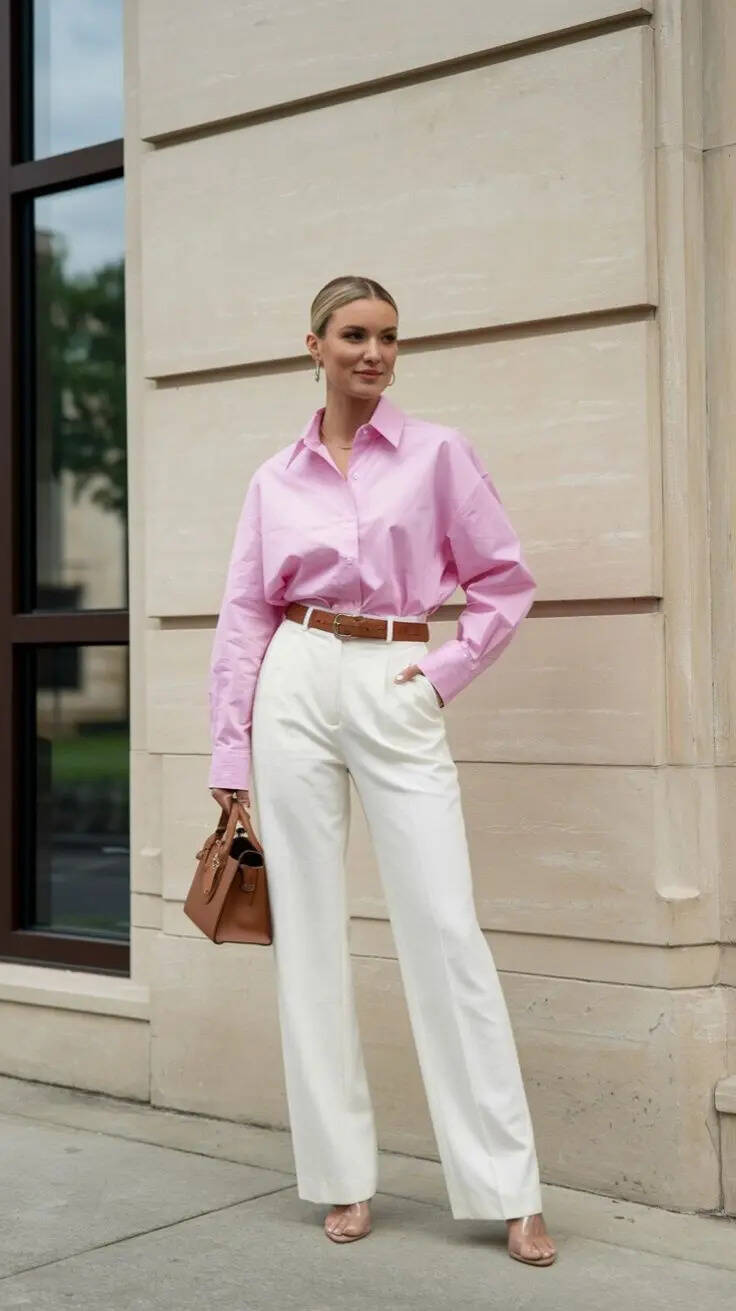
Expert shares practical wardrobe adjustments to ease the emotional transition back to the office
The solution, according to Leanna, is strategic layering with breathable, adaptable pieces. Lightweight knits, cardigans and scarves allow you to adjust throughout the day without compromising your appearance. Natural fibres like cotton, merino wool and linen blends help regulate body temperature more effectively than synthetic materials.“Think about building a wardrobe that adapts with you,” suggested Leanna. “A breathable base layer, mid-weight top, and removable outer layer give you control over your comfort, thereby reducing anxiety.”
How to dress to ease the transition back to work
Making the return to work less jarring does not require a complete wardrobe overhaul. Experts recommend small, intentional upgrades that prioritise psychological comfort alongside professional presentation.
- Comfort-first tailoring: Choose structured pieces with a relaxed fit. Tailored does not have to mean tight. Researchers in a 2025 study, published in the journal Ergonomics, explored the effects of clothing comfort on physiological stress responses and revealed, “Physical discomfort from clothing can elevate physiological stress markers, including increased heart rate and cortisol levels.” Look for trousers with elastic waistbands, blazers with stretch panels and shirts cut with enough room to move. Well-fitted clothing that does not restrict allows you to feel polished without physical strain.
- Texture and fabric choices: Soft, breathable fabrics reduce sensory stress. Leanna recommended avoiding stiff materials that feel abrasive or overly rigid. Instead, opt for jersey knits, brushed cotton and ponte fabrics that provide structure without sacrificing comfort. “Texture matters more than people think,” said Leanna. “A soft fabric against your skin creates a sense of ease, while scratchy or stiff materials keep you on edge. It's a subtle difference but it affects how you carry yourself throughout the day.”
- Small psychological upgrades: Fit, softness and colour accents all contribute to how you feel. A well-fitting pair of shoes, a cashmere-blend jumper, or a jewel-toned accessory can shift your mood without drawing attention. These thoughtful choices make getting dressed feel less like a chore and more like an act of self-care.
Your wardrobe is supposed to make your life easier. Especially during emotionally challenging times like returning to work after a break or weekend, what you wear can either support your wellbeing or add to your stress. Choose wisely.








 English (US) ·