

 2 days ago
5
2 days ago
5
ARTICLE AD BOX
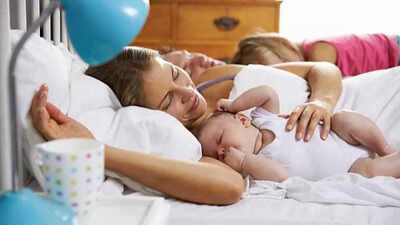
In a quiet Uttar Pradesh village, a serene winter night turned into a nightmare for a young couple when their newly born child, just 23 days old, died of suffocation after sleeping between both the parents.
The small fragile life-the couple's first child in four years-would never wake up again. Doctors say that an unintentional turn towards the infant by one parent while asleep crushed it under the weight. The tragedy has shaken both the family and the community, triggered renewed warnings against the hidden dangers of sharing a bed with newborns.The heartbreaking incidentIn Sihali Jageer village of Amroha district in Uttar Pradesh, a 23-day-old baby died after being put to sleep between his parents late night.
According to the in-charge of the local community health centre, the parents found the infant unconscious the next morning and took him to the hospital, where he was declared dead. The doctors say the suspicion is that during the intervening night, one of the parents lay down on the infant due to pressure exerted while sleeping.
The family, still in shock, did not lodge any complaint.Why Co-sleeping is risky for newbornsAlthough comfort and closeness may be reasons that many parents sleep with their newborn in the bed, experts say there are real dangers associated with bed-sharing.
A newborn has limited neck strength and cannot move into a different position if breathing becomes obstructed-in other words, they cannot fend off suffocation or accidental crushing. Soft bedding, blankets, and pillows, along with adult beds that are not made to hold infants, increase the risk of both suffocation and entrapment.Medical advice and safe-sleep guidelinesMedical and child-safety experts recommend that a newborn infant sleep in a separate crib or bassinet, but in the same room as the parents (room-sharing), though not on the same adult bed (bed-sharing), to reduce the risk of suffocation.
It also provides convenience for the parents in attending to the needs of the baby for feeding or comforting, and it is safer regarding sleep environments. Parents are also advised to keep loose bedding, pillows, stuffed toys, or heavy quilts away from the baby, as these may block breathing or cause overheating.
Instead, dress the baby in simple sleepwear and provide a firm sleeping surface.Broader warning: It was not a single tragedy thatWhereas this recent case from UP sends shockwaves to many, it is by no means an isolated warning.
Globally, both the medical and parenting communities continue to caution that co-sleeping, especially bed-sharing with infants, has been connected to infant mortality, SIDS, and Experts argue though cultural practices, comfort, or convenience may prompt parents to bed-share, these factors do not outweigh the safety risks, especially in the vulnerable early months.What parents can do to help their newborns For parents and caregivers, the safest approach is to ensure the baby sleeps in their own safe sleep space-a crib, bassinet, or play-pen-placed in the parents' room, room-sharing, for the first six to 12 months. Use a firm mattress and fitted sheet; avoid blankets, quilts, pillows, bumper pads, or toys in the crib. Dress the baby lightly to avoid overheating, and always place the baby on their back to sleep. If parents need to keep the baby close, there are safer alternatives, such as bassinets that attach to the parents' bed, co-sleepers, rather than having the newborn sleep between or directly beside adults on a regular mattress.From loss to awareness: A hard lesson The tragedy that occurred in Amroha is a hurtful reminder that in just one second, the most joyous moment-a newborn sleeping between loving parents-can turn into a lifetime of grief. While many parents may choose co-sleeping to bond, ensure warmth, or even convenience, this incident drives home the fact that intention doesn't necessarily equate with safety. As specialists explain, it's not about love and comfort; it's all about the safe sleep environment.
As families mourn, many doctors and child-care advocates say the takeaway is widespread awareness and education: every new parent should be counseled on safe sleep practices-for the baby's sake.









 English (US) ·