

 1 week ago
7
1 week ago
7
ARTICLE AD BOX
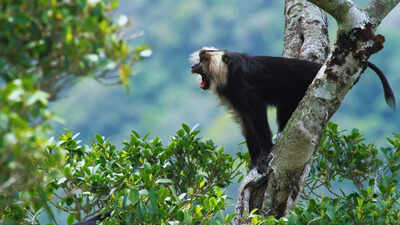
Lion-tailed macaque in the wild
Stretching for over 1,600 kilometres along India’s western coast, the Western Ghats are among the oldest mountain ranges in the world, older than the Himalayas. Recognised as a UNESCO World Heritage Site and one of the world’s eight “hottest hotspots” of biological diversity, this mountain chain plays a critical ecological role in peninsular India.
What makes the Western Ghats truly extraordinary, however, is its remarkable level of endemism. A significant portion of its amphibians, reptiles, plants, and some mammals and birds are found only here and nowhere else in the world. Isolated valleys, high-altitude shola forests, lateritic plateaus, and dense evergreen rainforests have formed microhabitats that have enabled the evolution of endemic species over millions of years.Here are five of the most iconic species that are endemic to the Western Ghats.
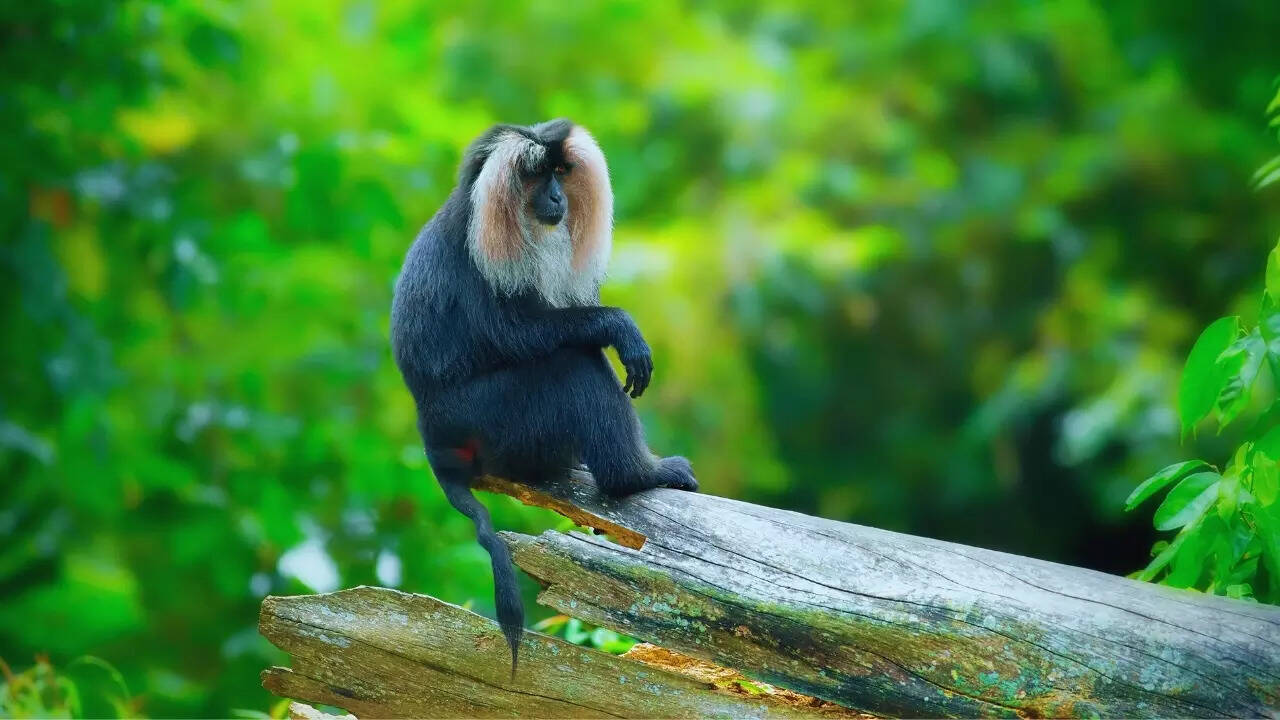
Lion-tailed macaque
Lion-tailed macaque
One of the most unique primates of India, the lion-tailed macaque is easily identifiable by its silver-white mane that encircles its black face and its lion-like tail. They are found in the tropical evergreen rainforests of Kerala, Karnataka, and Tamil Nadu. They are highly arboreal, and love to spend most of their lives in the upper canopy of undisturbed rainforests.
They feed on fruits, insects, and small vertebrates and depend heavily on intact forest ecosystems.
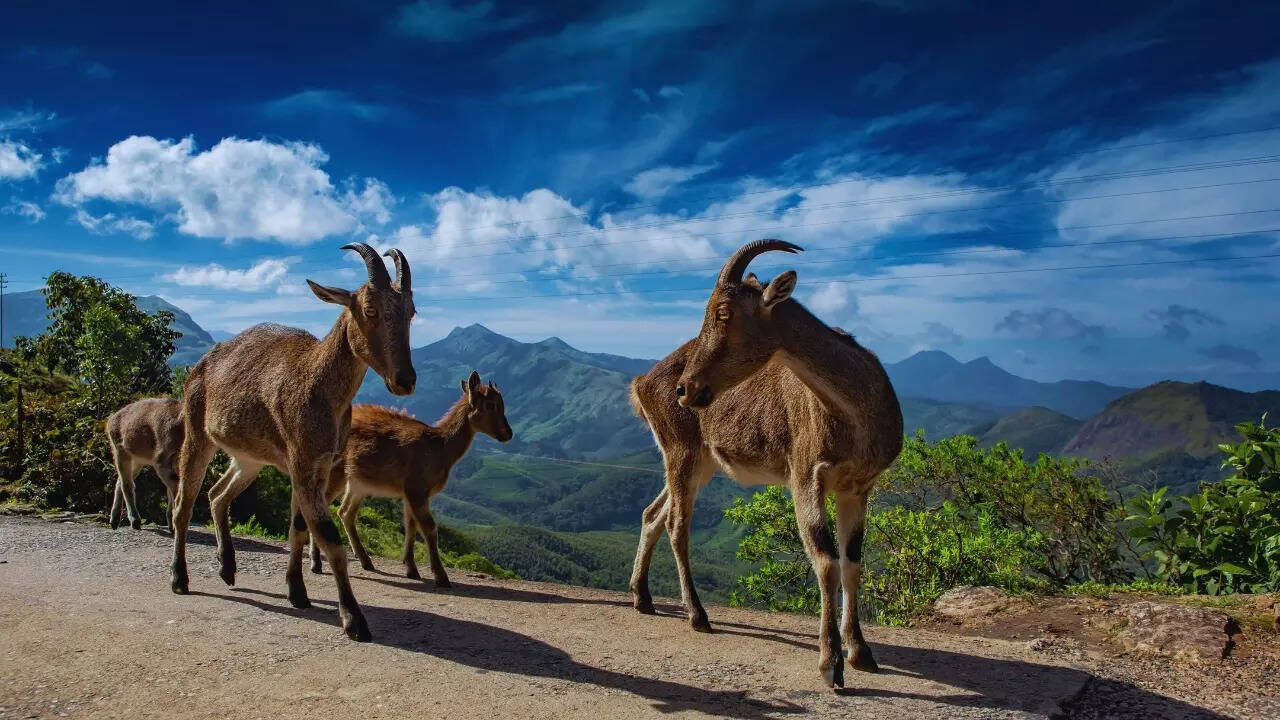
Nilgiri tahr
Nilgiri tahr
Often called the “mountain goat of South India,” the Nilgiri tahr is specially adapted to steep cliffs and high-altitude grasslands. They love to graze in the Montane grasslands and shola ecosystems of the Nilgiri Hills and Anamalai ranges in Kerala and Tamil Nadu. The Nilgiri tahr is found only in the Western Ghats, so it is a treat to spot them in their natural habitat.
The Nilgiri tahr is known to be a sure-footed herbivore and can be easily spotted in Eravikulam National Park or other such locations.
The Nilgiri tahr was a victim of hunting and habitat destruction, but it has made a comeback as a symbol of conservation of the Western Ghats.
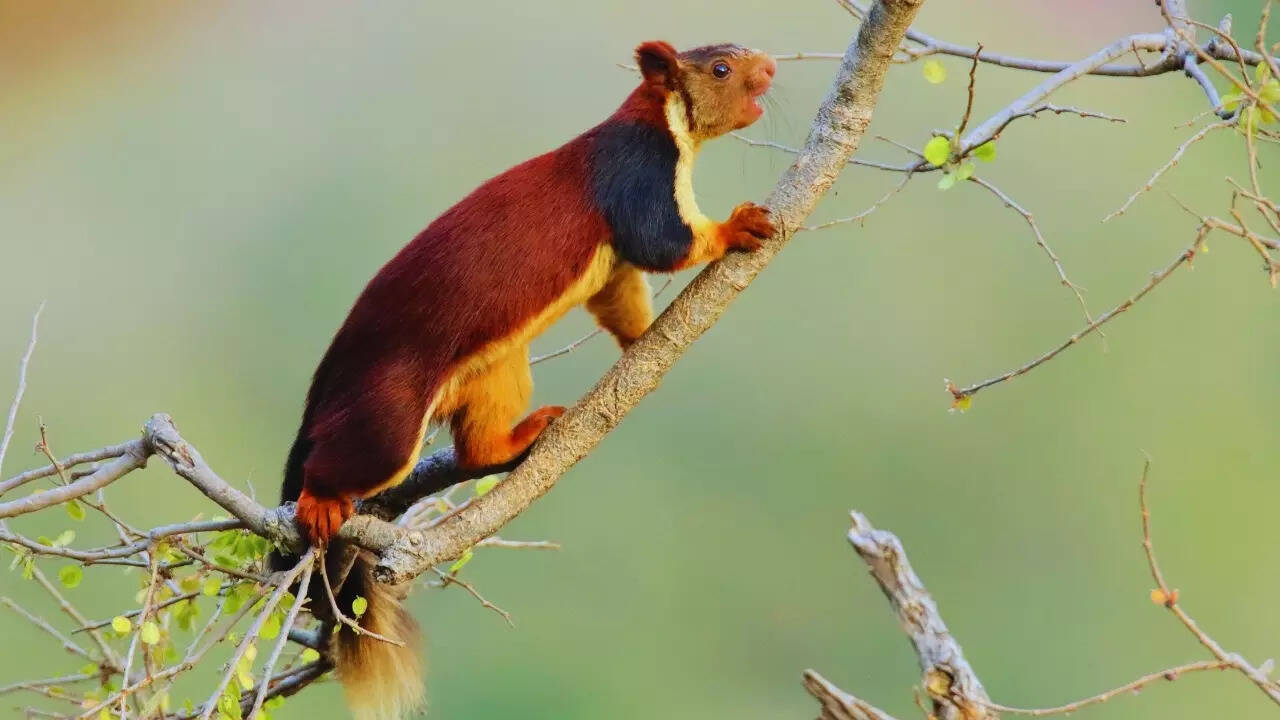
Malabar giant squirrel
Malabar giant squirrel
A striking and colourful tree squirrel, the Malabar giant squirrel is one of the most visually dramatic mammals of the Western Ghats. It inhabits the evergreen and moist deciduous forests of Maharashtra, Karnataka, Kerala, and Tamil Nadu.
With its maroon, cream, and dark brown fur, this large arboreal rodent can leap considerable distances between trees. It builds large leafy nests high in the canopy and rarely descends to the forest floor, making forest continuity crucial for its survival.
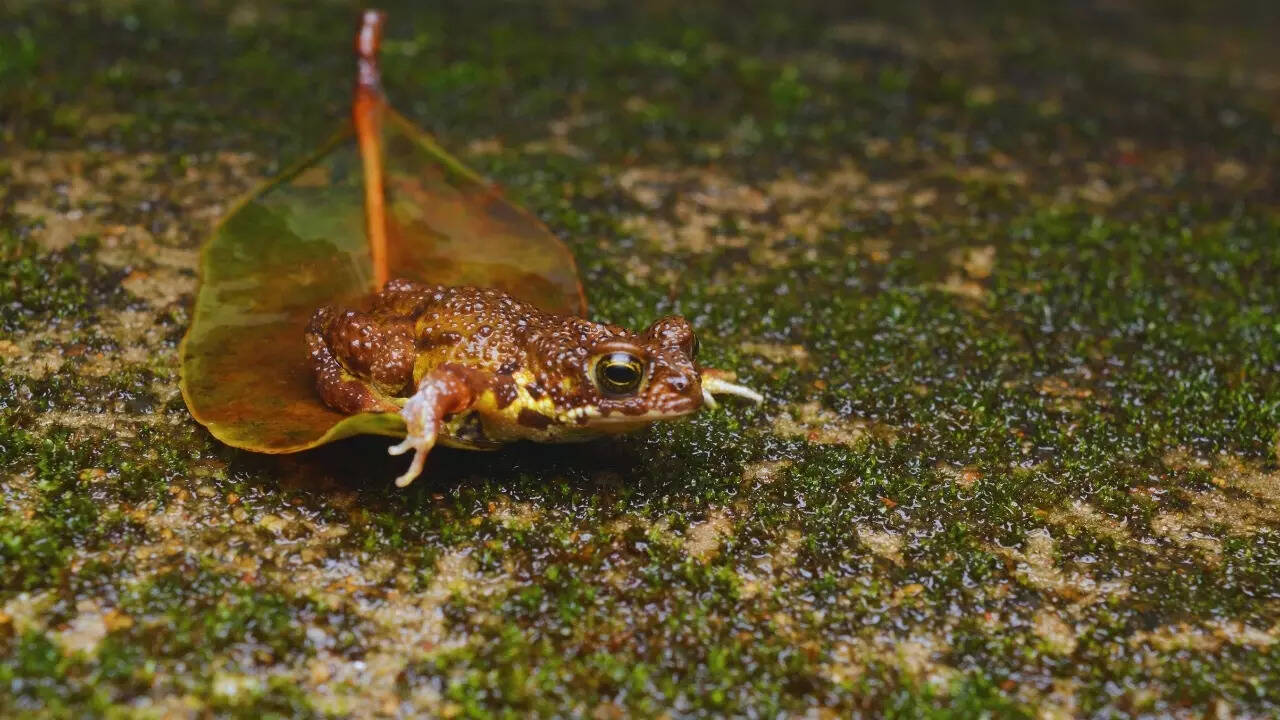
Amboli toad
Amboli toad
Discovered only in 2010, the Amboli toad is among the rarest amphibians in India. As the name suggests, the Amboli toad is found in the lateritic plateaus and forested hill slopes around Amboli in Maharashtra, in the northern Western Ghats.
And because its distribution is limited to a very small geographical area, the species falls under the Critically Endangered category. This small, vividly patterned toad appears briefly during the monsoon season for breeding.
Its extremely limited range makes it vulnerable to habitat disturbance, especially from tourism and land-use changes on lateritic plateaus.

Nilgiri wood pigeon
Heard of a Nilgiri wood pigeon? This is a large forest pigeon with a distinctive checkered neck patch, and is a prized sighting for birdwatchers. Its favourite habitat is the high-elevation evergreen and shola forests of Kerala, Tamil Nadu, and Karnataka. The species prefers dense forest interiors and is more often heard than seen. Habitat fragmentation and degradation of montane forests pose ongoing threats to this species.
The Nilgiri wood pigeon is characterized as a Vulnerable species as per IUCN.







 English (US) ·