

 1 hour ago
4
1 hour ago
4
ARTICLE AD BOX

When compared to regions that have been geographically isolated for extended periods of time or that have enormous rainforests, the United Kingdom has a smaller number of native animals.
It is worth noting, however, that the United Kingdom is home to a number of species and subspecies that are exclusive to that country. The majority of these species have limited ranges because of factors such as the presence of islands or the presence of woody regions that are divided. Those individuals rely on specific diets. The fact that predators never made it to their islands is the reason why others are still around.
Each of these seven creatures is a perfect example of how even relatively tiny areas of the country can be home to a diverse array of wildlife.
7 unique animals that live only in the UK
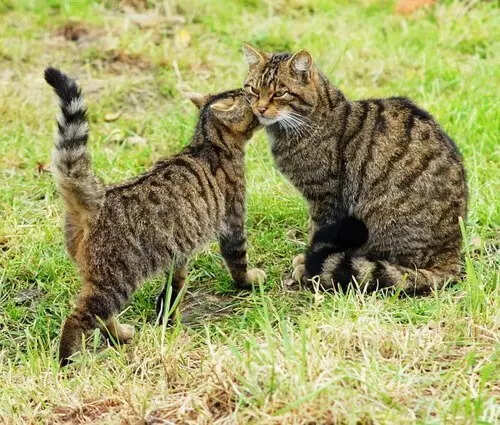
Here are the 7 animals that you will find only in the UK, according to WorldAtlas : Scottish WildcatThe Scottish wildcat, a subspecies of the European wildcat found solely in Scotland, is the UK's last remaining native wildcat. It lives in remote sections of the Scottish Highlands, where woods and uneven terrain provide both hunting and refuge opportunities.
This species is considered critically endangered, with an estimated natural population of 100 to 300 animals.
Source - Wikipedia
Breeding between wildcats and domestic cats has diminished the species' genetic features. As a result, conservationists rely on genetic tests and controlled breeding tactics to keep the population healthy. Much of the research is based on video traps, which reveal that the wildcat's hunting grounds are dependent on stable populations of rabbits and voles.
Habitat changes caused by forestry and human activity have also restricted suitable ground for these ranges.
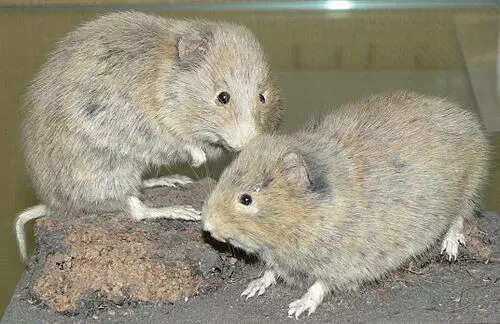
In response, captive breeding programmes now train juvenile wildcats to live in managed release zones, thereby increasing the population.Orkney Vole The Orkney Vole is a unique subspecies found alone in northern Scotland's Orkney Islands. These voles are larger than their mainland counterparts, and their short tails further emphasise the distinction.
Archaeological evidence suggests that the species arrived during the Neolithic period, most likely accompanied by early farming activity. Bones discovered at many places show that the vole has been resident on the islands for over 5,000 years.
Genetic study links it to populations in continental Europe rather than animals on the British mainland.
Source - Wikipedia
Unlike many other tiny animals, voles are active during the day.
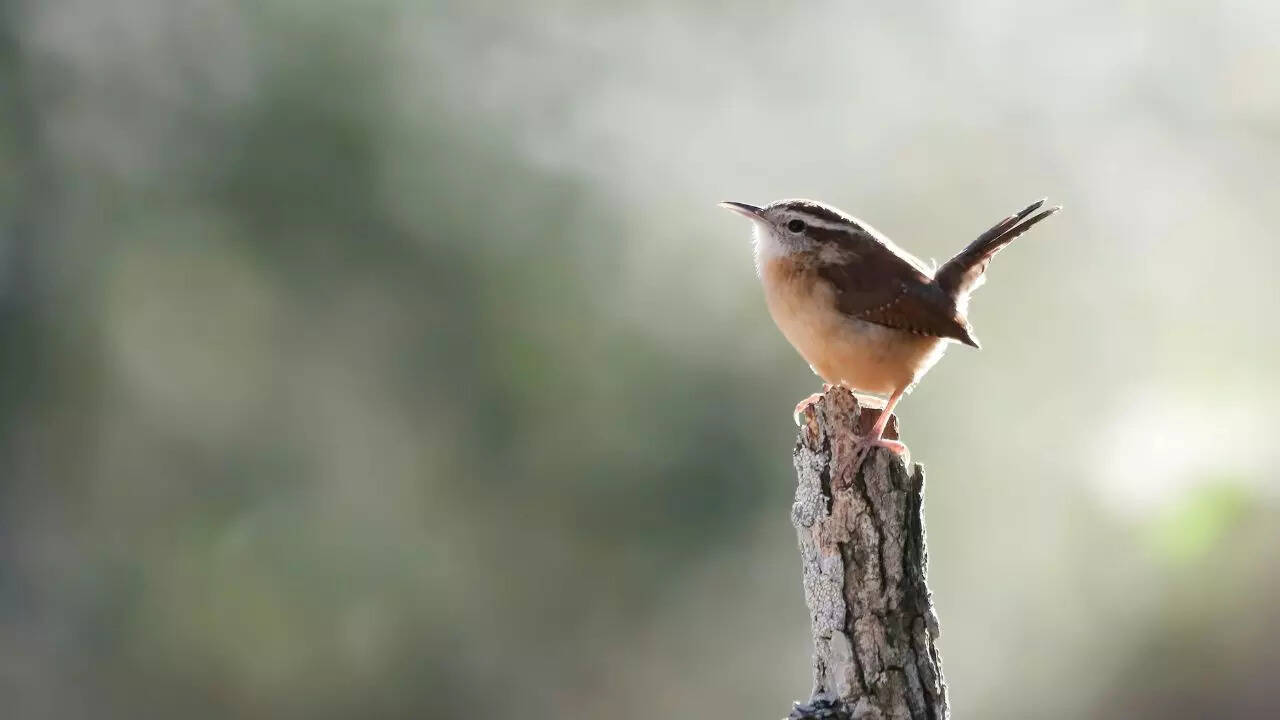
As a result, they provide a valuable food source for local birds of prey, such as hen harriers and short-eared owls. The vole population dropped in the twentieth century as farming practices changed, reducing available cover. Rough grass along stone walls and field boundaries is beneficial because it provides feeding sites and protects burrows. These patches are frequently left unmanaged, allowing vole populations to thrive in cultivated and coastal settings that are still being managed traditionally.St Kilda WrenThe St Kilda Wren is a unique subspecies of the Eurasian wren that lives solely on the remote St Kilda islands off the coast of Scotland. This isolation has resulted in various characteristics that distinguish it from mainland birds. It is larger than conventional wrens, has darker plumage with prominent barring, and a considerably stronger bill that is suited to island circumstances. Its song travels further than that of mainland wrens, with the volume and structure allowing it to cut through the wind and waves that dominate the archipelago.
Source - Wikipedia
The birds look for food among the rocks and on the cliff edges. They feed on insects and other tiny invertebrates that accumulate in cracks or dense grassy regions. Human activity on St Kilda has always been restricted, and the island's seclusion allowed the wrens to evolve with little disruption or competition. The population size of each island continues to fluctuate in response to storms and the availability of adequate nesting cover.
The subspecies is still a recognised element of St Kilda's ecology, demonstrating how isolated island populations can generate minor but significant evolutionary changes.Lundy Cabbage Flea BeetlesSome of the United Kingdom's indigenous species are easily missed at first glance. The Lundy cabbage flea beetle meets this criteria because it solely lives on Lundy Island in the Bristol Channel and rarely ventures beyond areas containing the island's native Lundy cabbage.
When the weather gets cooler or drier, adult beetles migrate across the leaves, preying on delicate growth and sheltering behind folded plant surfaces.
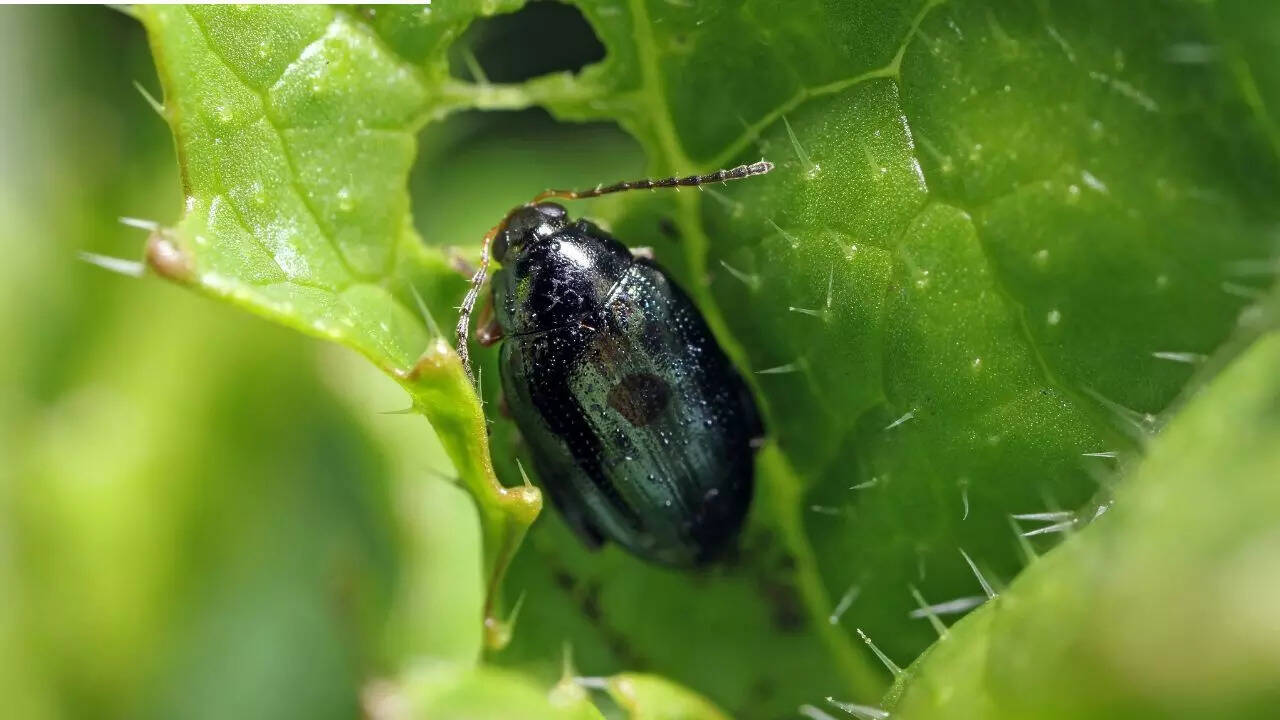
Its range extends across a tiny strip of land on the island's eastern coast. Lundy cabbage grows in small clumps on steep hillsides, and the beetle follows this pattern carefully. Eggs are laid at the plant's base. Larvae feed within the stems before pupating in the soil, and new adults emerge as the weather warms up and develops new leaves.
The beetle has an impact on how each cabbage stand is constructed. Grazing influences how many leaves remain throughout the season and can disrupt patterns of new growth over the slope.
This link connects the insect to the long-term health of the island's plant community.Horrid ground weaverThe terrifying ground-weaver is a tiny spider found solely in the United Kingdom. They live in a small area of Plymouth, southwest England.
These spiders are difficult to find because mature specimens grow to be slightly longer than one-tenth of an inch in length. It doesn't help that their completely documented distribution is limited to a few spots inside a narrow area of Plymouth. This species lives in abandoned limestone quarries as well as neighbouring damaged terrains, where it seeks cover under loose stones or in narrow gaps in visible rocks.
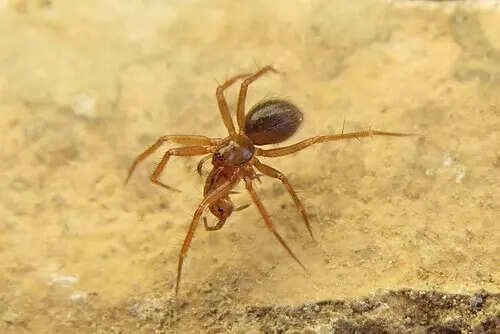
Source - Wikipedia
One of the original sites where the species was discovered has already been lost to development, and the remaining sites are under threat owing to human intervention.
Because the spider relies on stable ground layers, even little disturbances can eliminate viable habitat. The horrible ground-weaver stays close to the ground and avoids open surfaces. Springtails and other small insects that travel through the soil layer are likely sources of food.
Conservation efforts are centred on preserving the surviving quarry land and preventing additional disturbance of the stone and debris that make up its only known habitat.GwyniadThis fish is not only unique to the United Kingdom, but it can only be found in one lake. The gwyniad is a freshwater fish that has historically only been found in Llyn Tegid in north Wales. It is estimated to have existed in this part of Wales for thousands of years. If you've seen a snapshot of a gwyniad, it may look familiar because it belongs to the bigger whitefish family. The gwyniad are usually found in the lake's deepest regions.
When chilly winter hits, they go to shallow locations with gravel to lay their eggs. Breeding success requires clean water and undisturbed spawning areas.
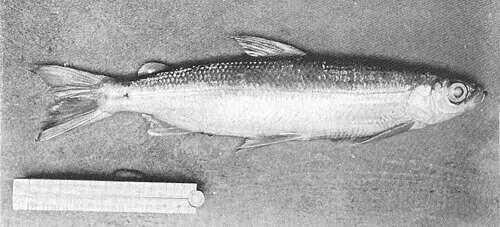
Source - Wikipedia
Their number has been under threat due to pollution and changes in water consumption around the lake. For example, sewage and runoff increased nutrient levels in Llyn Tegid much above their natural state. In response, conservation efforts such as improved water purification gradually reduced those inputs, although population recovery has been slow rather than rapid.
It is a difficult process for the fish, as their life is entirely dependent on the health of Llyn Tegid.Scots CrossbillThe Scottish crossbill is a finch species that only lives in northern Scotland and can grow to be 6 to 6.5 inches long. Its bill crosses at the tips and is designed to harvest seeds from Scots pine cones, which account for the majority of its food. Most accounts situate the species in the Cairngorms, with occasional sightings in Glenmore and Abernethy.
Sightings become less common in the nearby Highland pine forests.
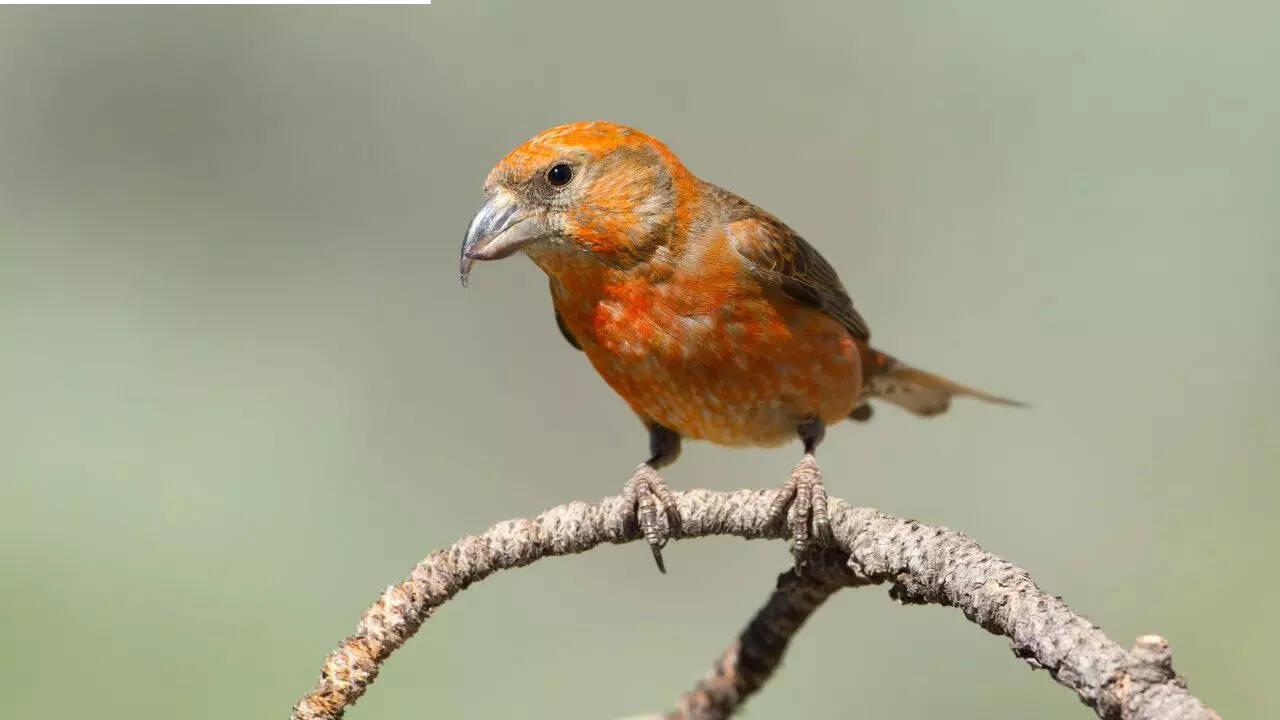
The birds prefer older Scots pine cones because they contain more seeds and remain intact during the winter months. Nesting can begin early in the year, when cone production is high, and pairs frequently remain in the same woods for extended periods of time. Young birds learn to use cones by studying adults and feeding on low branches. Flocks may assemble along forest pathways when fallen cones are available. Birdwatchers frequently hear their loud calls before sighting them.








 English (US) ·