

 1 hour ago
7
1 hour ago
7
ARTICLE AD BOX
Last Updated:December 25, 2025, 22:18 IST
While Tarique Rahman, the acting chairman of the Bangladesh Nationalist Party (BNP), landed in Dhaka after 17 years, news emerged of another gruesome lynching of a Hindu man

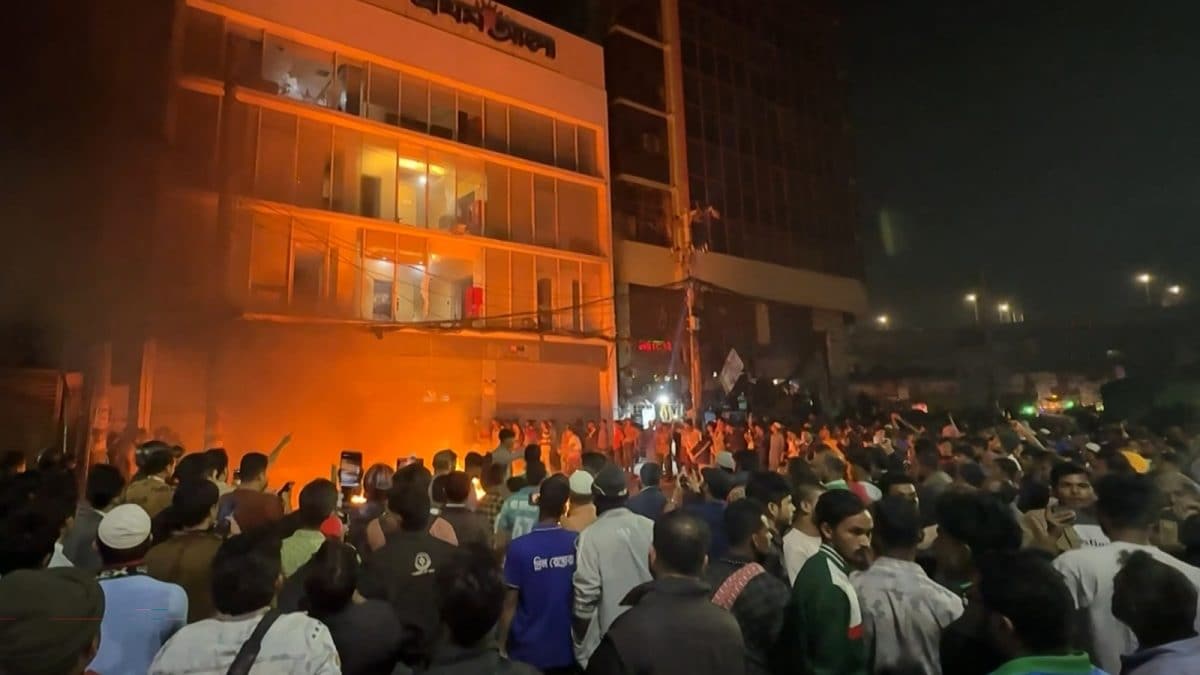
Bangladesh also witnessed violent protests recently after the death of a student leader. (File pic/Reuters)
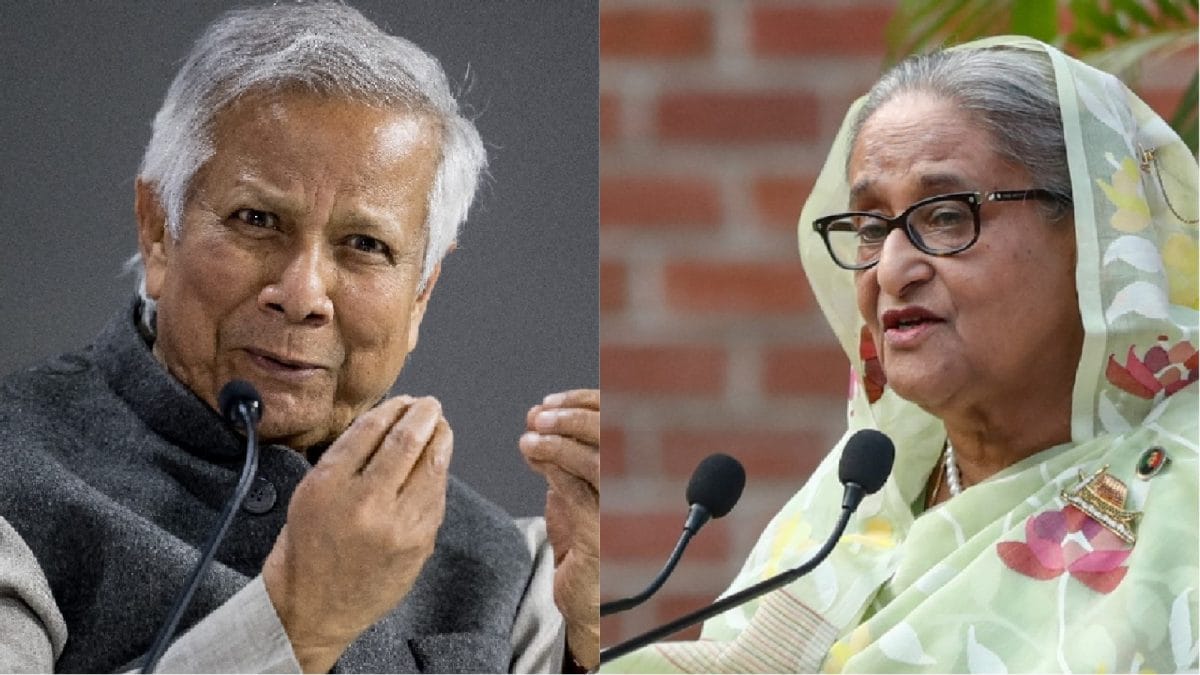
Bangladesh remains at a critical crossroads as the return of a political “prince" coincides with a series of brutal lynchings that have drawn international condemnation. The nation, currently governed by an interim administration led by Nobel laureate Muhammad Yunus, is grappling with a volatile mix of high-stakes electoral preparation and a breakdown in law and order that has left minority communities in a state of high alarm.
The Homecoming of Tarique Rahman
The most significant political development occurred on Thursday as Tarique Rahman, the acting chairman of the Bangladesh Nationalist Party (BNP), landed in Dhaka after 17 years in self-imposed exile in London. Accompanied by his wife and daughter, Rahman was met with a rousing reception by thousands of supporters at Hazrat Shahjalal International Airport. In a symbolic gesture, Rahman stepped onto the grass outside the airport and scooped up a handful of soil, a move that resonated deeply with his supporters, who view him as the primary contender for the prime minister’s office in the February 2026 general elections.
In his first address on home soil, Rahman adopted a tone of reconciliation and national unity. He explicitly stated that the “new Bangladesh" belongs to all citizens—Muslims, Hindus, Buddhists, and Christians alike. He urged his party cadre and the public to maintain peace and order, perhaps aware of the international scrutiny regarding the BNP’s historical ties to more radical elements. Rahman’s return is a major boost for the BNP, especially as its chief rival, the Awami League, remains banned from contesting the upcoming polls following the ouster of Sheikh Hasina in August 2024.
Minority Violence and the Killing of Amrit Mondal
However, the celebratory mood of the BNP was sharply contrasted by the news of another gruesome lynching of a Hindu man. On Wednesday night, Amrit Mondal, also known as Samrat, was beaten to death in the Pangsha sub-district of Rajbari. While local police have attributed the killing to a mob reacting to an alleged extortion attempt, the incident follows a pattern of targeted violence that has horrified observers. Mondal’s death comes just one week after the lynching of Dipu Chandra Das, a 27-year-old garment worker in Mymensingh who was allegedly falsely accused of blasphemy, beaten to death, and whose body was subsequently hung from a tree and set on fire.
The Indian government has described these killings as “horrendous acts" and has formally summoned the Bangladesh High Commissioner to express “grave concern" over the safety of minorities. While the Yunus-led interim government has condemned the violence and promised financial support to the victims’ families, critics argue that the state’s inability to prevent these public executions suggests a dangerous vacuum of authority.
An Uncertain Path to February 2026
The political landscape is further complicated by the confirmed exclusion of the Awami League. The interim government’s press secretary, Shafikul Alam, reiterated on Thursday that the party will not be permitted to participate in the February polls due to its suspension under the Anti-Terrorism Act. This decision has sparked a debate over the inclusivity of the upcoming democratic process, with ousted leader Sheikh Hasina describing the planned election as a “coronation" rather than a true democratic exercise.
As Bangladesh moves toward its first post-Hasina election, the return of Tarique Rahman has solidified the BNP’s position as the frontrunner. Yet, the persistent violence and the targeting of minorities remain significant obstacles to national reconciliation. For the international community, the question remains whether the “safe state" promised by Rahman can be realised in a country currently struggling to protect its most vulnerable citizens from the rule of the mob.
First Published:
December 25, 2025, 22:18 IST
News world A 'Prince' Returns As A Nation Burns: Bangladesh At A 'Christmas Crossroads'
Disclaimer: Comments reflect users’ views, not News18’s. Please keep discussions respectful and constructive. Abusive, defamatory, or illegal comments will be removed. News18 may disable any comment at its discretion. By posting, you agree to our Terms of Use and Privacy Policy.
Read More



 English (US) ·