

 1 hour ago
3
1 hour ago
3
ARTICLE AD BOX
3 min readMay 1, 2026 02:22 PM IST
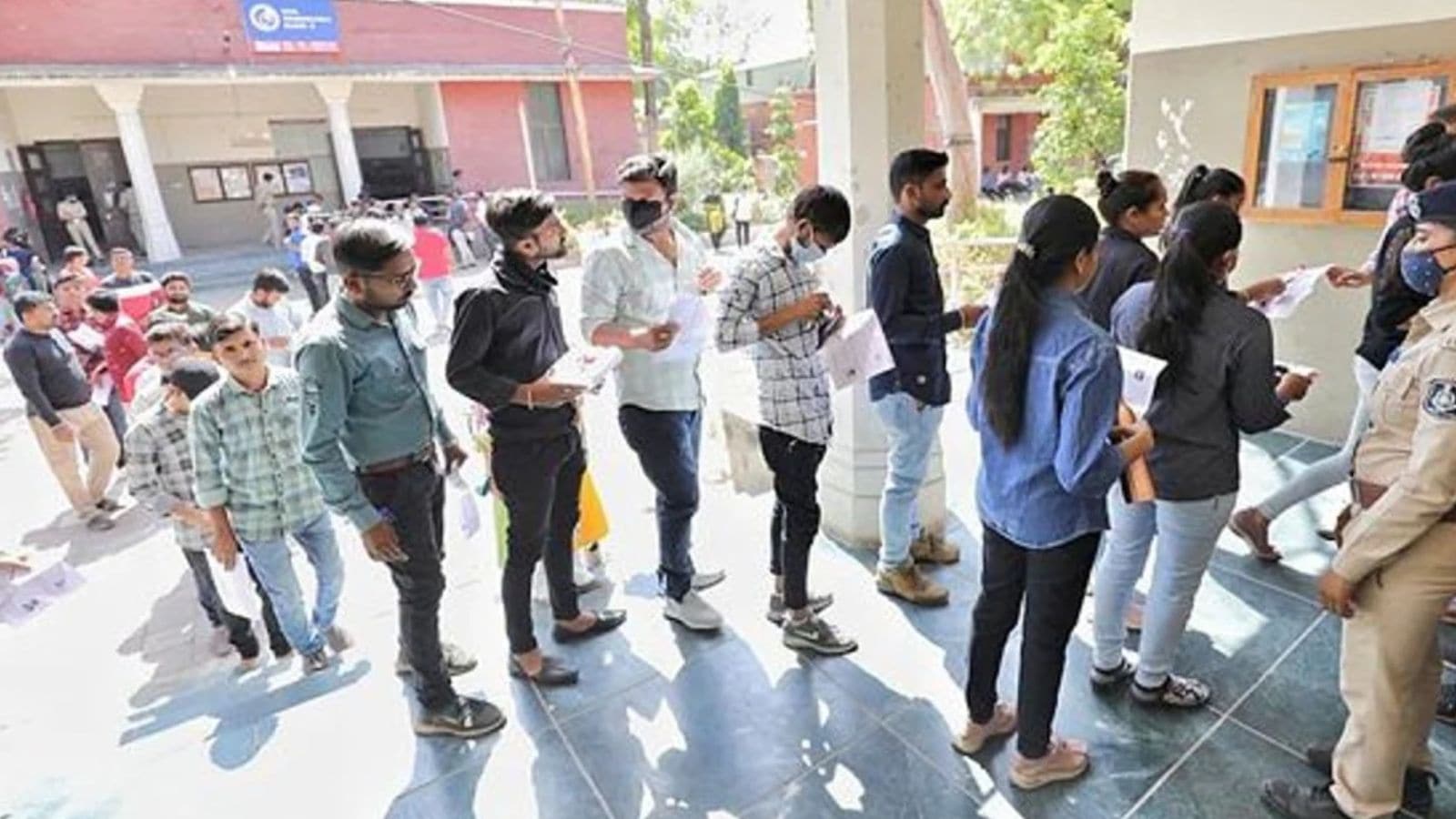 BPSC exam reforms include six-layer security, multi-set question papers and GPS-tracked transport to prevent leaks after the 2024 controversy. (File Photo)
Multiple question paper sets, six-layer protection for question boxes, and GPS-enabled CCTV surveillance inside transport vehicles are among the key reforms introduced by the Bihar Public Service Commission (BPSC) after the 2024 paper leak allegations.
The commission conducted its mains examination under tight security on Saturday, two years after alleged leaks marred the Teachers Recruitment Examination (TRE)-III and BPSC prelims in 2024, triggering protests and calls for cancellation.
In response, the BPSC rolled out a series of measures, including shuffling printers for each exam and hiring transport vehicles from outside Bihar, Uttar Pradesh, West Bengal, and Jharkhand. It has also dismissed recent allegations of discrepancies in the Assistant Education Development Officer (AEDO) exam, saying the only remaining challenge is tightening biometric checks to prevent impersonation.
Ravi Manubhai Parmar, who took over as BPSC chairman on March 16, 2024 — a day after that year’s controversial TRE, later cancelled — said the focus was on plugging vulnerabilities in transportation.
“Though we introduced 22 initiatives to make the process foolproof, we focused on the grey area of transportation, where leaks occurred in the past,” Parmar told The Indian Express.
He said multi-set papers ensure entirely new question sets — not just shuffled questions — can be deployed in case of a leak.
Detailing the six-layer security, Parmar said the first layer involves customised plastic wrapping with distinct markers; the second, strapping from all sides; and the third, an alphanumeric lock opened only inside the exam hall in the presence of officials and a student representative.
Story continues below this ad
The fourth layer is a customised heat-sealed envelope containing 12 papers; the fifth, individual wrapping of each paper; and the sixth, sealing on three sides, allowing only partial visibility without tampering.
Printers are sourced from outside Bihar. “Experts from about 150 universities and research institutes send handwritten questions by speed post. Printers assemble sub-sets randomly at the BPSC office, then travel by air to the press, where experts vet them for accuracy and flag contentious questions,” Parmar said.
Transport is handled through sealed containers fitted with GPS trackers — one near the driver and another inside — along with CCTV cameras. A representative accompanies each vehicle.
“Instead of clubbing papers for multiple districts, question boxes are now sent directly to each district treasury under the District Magistrate’s supervision. Each district receives different sets, and the final set is chosen by lottery three hours before the exam,” he said.
Story continues below this ad
Once selected, papers are dispatched to centres about 20 minutes before the exam and opened inside the hall — a shift from the earlier practice of opening them in the superintendent’s office.
Candidates are allowed entry until one hour before the exam. OMR sheets now carry 13 security features, with each page uniquely numbered. “Even if a page is photographed, we can trace exactly where it happened,” Parmar said.
Responding to allegations of malpractice in the April AEDO exam, Parmar said, “There is no question of a paper leak under the new system. Claims of Bluetooth use are unconvincing as jammers are installed at all centres. Our focus now is to eliminate impersonation entirely.”

Santosh Singh is a Senior Assistant Editor with The Indian Express since June 2008. Expertise He covers Bihar with main focus on politics, society and governance. Investigative and explanatory stories are also his forte. Singh has 25 years of experience in print journalism covering Bihar, Delhi, Madhya Pradesh and Karnataka. ... Read More
Stay updated with the latest - Click here to follow us on Instagram
© The Indian Express Pvt Ltd






 English (US) ·