

 1 hour ago
5
1 hour ago
5
ARTICLE AD BOX
Last Updated:March 16, 2026, 15:27 IST
The war has pushed the United States to pressure China to take a more active role in stabilising the region


US President Donald Trump with Chinese President Xi Jinping. (AFP photo)
The Iran war has added a new layer of tension to the already strained relations between the United States and China. Beijing has, so far, tried to walk a careful diplomatic line—condemning the war and calling for de-escalation while avoiding direct alignment with Washington’s military approach. The result? A complicated geopolitical moment that has affected everything from global oil markets to the prospects of a US-China summit.
In an interview with the Financial Times on Sunday, Trump said China’s reliance on oil from the Middle East means it ought to help with a new naval coalition he is trying to put together to get oil tanker traffic moving through the strait after Iran’s threats have throttled global flows of oil. Trump said “we’d like to know" before the trip whether Beijing will help. “We may delay," Trump said in the interview.
The stand has once again brought to the fore the blow hot, blow cold relationship between the two countries as they try to navigate the choppy waters of the West Asia war.
China’s Call For Diplomacy
China has issued a public statement condemning the breakout of the war, calling for a diplomatic resolution to the conflict. According to The Guardian, China’s foreign minister stated, “This conflict should never have happened, and it is now time for diplomacy, not military action, to resolve it." The statement indicates that China, as an external actor, is against the escalation of the war and is calling for negotiations.
This is just another instance of China’s foreign policy in the Middle East, where it portrays itself as a force for stability, preferring mediation over military alliances. However, it is also stated that China is hesitant to take an overt stand in support of Iran, given their economic ties, due to its need to maintain relations with Gulf states and its image as a neutral broker.
China, however, has not taken a stand supporting the military alliances led by the United States, instead calling for restraint and an end to the conflict immediately, as stated by The Guardian.
The Oil Factor
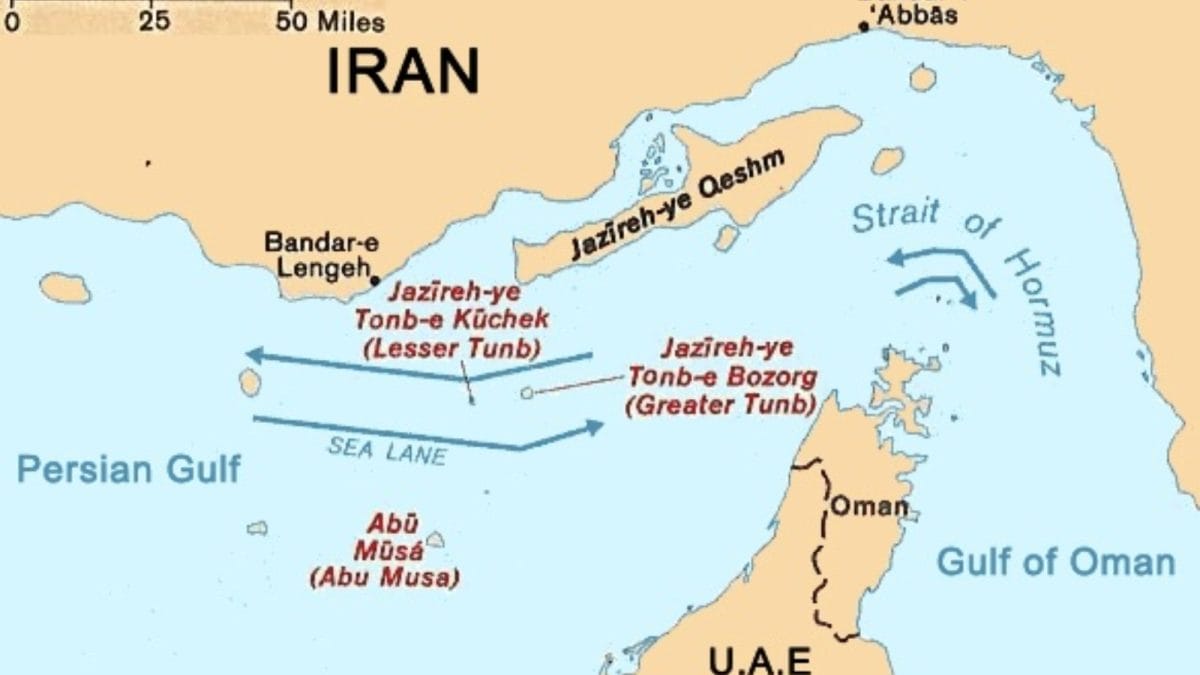
Energy security remains at the core of China’s strategic thinking. It’s one of the world’s biggest importers of Middle Eastern oil. An attack on the Strait of Hormuz, which carries 20 per cent of the world’s oil supply, poses a direct threat to its economic security.
The Iranian moves in the conflict have added another dimension to the complexities. They have de facto closed the Strait of Hormuz to many ships. There have also been some reports that Chinese ships have been allowed to cross, a reflection of the close ties between Beijing and Tehran in the area of energy supplies.
China has built up significant reserves of oil, CNBC reported, providing it with a short-term buffer against supply disruptions caused by the war and higher prices.
Washington Exerts Pressure
The war has pushed the United States to pressure China to take a more active role in stabilising the region.
Trump has urged countries dependent on Middle Eastern oil, including China, to join a coalition aimed at reopening the Strait of Hormuz and protecting shipping routes.
For Washington, the logic is straightforward: China benefits heavily from the oil that flows through the strait, so it should share the burden of securing it. But Beijing has so far avoided committing to the US-led initiative.
A Complicated Summit
The disagreement over the war in Iran has also cast a shadow over plans to hold a high-level meeting between Trump and Chinese President Xi Jinping.
According to NBC News, diplomats had hoped that the meeting will focus on trade tensions and economic cooperation, but the Middle East war has become a major new source of friction.
The war in Iran can also be seen as a reflection of a deeper strategic divide. For the US, it is about creating military alliances and pressuring its allies to ensure safe shipping routes. China, on the other hand, has urged diplomacy while protecting its economic interests and avoiding military intervention.
A Test Of Global Influence
The Iran conflict is also becoming another front in the broader competition between Washington and Beijing.
According to the Associated Press, for the United States, it’s about maintaining security leadership in the Middle East and protecting the flow of global energy supplies. For China, it’s about protecting its own energy supplies while also presenting itself as a good international citizen that doesn’t take sides in conflicts.
How Beijing responds to the conflict—whether it sticks to its diplomatic efforts or plays a larger role in securing the flow of oil—may have implications not only for the outcome of the war but also for US-China relations.
Location :
United States of America (USA)
First Published:
March 16, 2026, 15:27 IST
News explainers After Trump's 'Summit Warning', Will Iran War Become Next Flashpoint In US-China Rivalry?
Disclaimer: Comments reflect users’ views, not News18’s. Please keep discussions respectful and constructive. Abusive, defamatory, or illegal comments will be removed. News18 may disable any comment at its discretion. By posting, you agree to our Terms of Use and Privacy Policy.
Read More





 English (US) ·