

 1 day ago
3
1 day ago
3
ARTICLE AD BOX
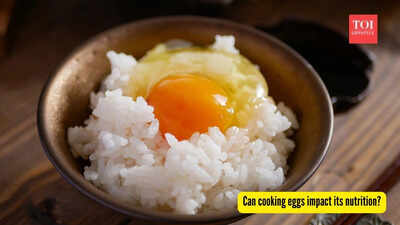
Most people across the world cannot imagine their breakfast without eggs. Considering the amount of nutrition they carry, they definitely are one of the best options to begin the day with.
Eggs are affordable, versatile and they have a great culinary presence as they can add value to everything from simple breakfasts to complex desserts and sauces. Yet there is always one or the other discussion going around the safety of eggs. From being cholesterol dense to being carriers of salmonella, eggs continue to be under the scanner from time to time. So what is the best way to consume them?When it comes to eggs people have different reasons to consume them.
Some do it for taste and some for nutrition alone. So which is the best way top consume them? Should they ever be eaten raw? This is a pertinent question as there still are certain medical practitioners who suggest consuming raw milk with eggs for quick recovery and there are people who like the fishy taste of raw eggs. According to Chef Gautam Kumar, " Eggs are delicate to handle.
Cooking them may appear simple but requires extreme perfection and an attempt at balance.
Be gentle while handling boiled eggs, be mindful of the temperature and be very careful and precise with poached eggs as they tend to lose shape and taste when overcooked."
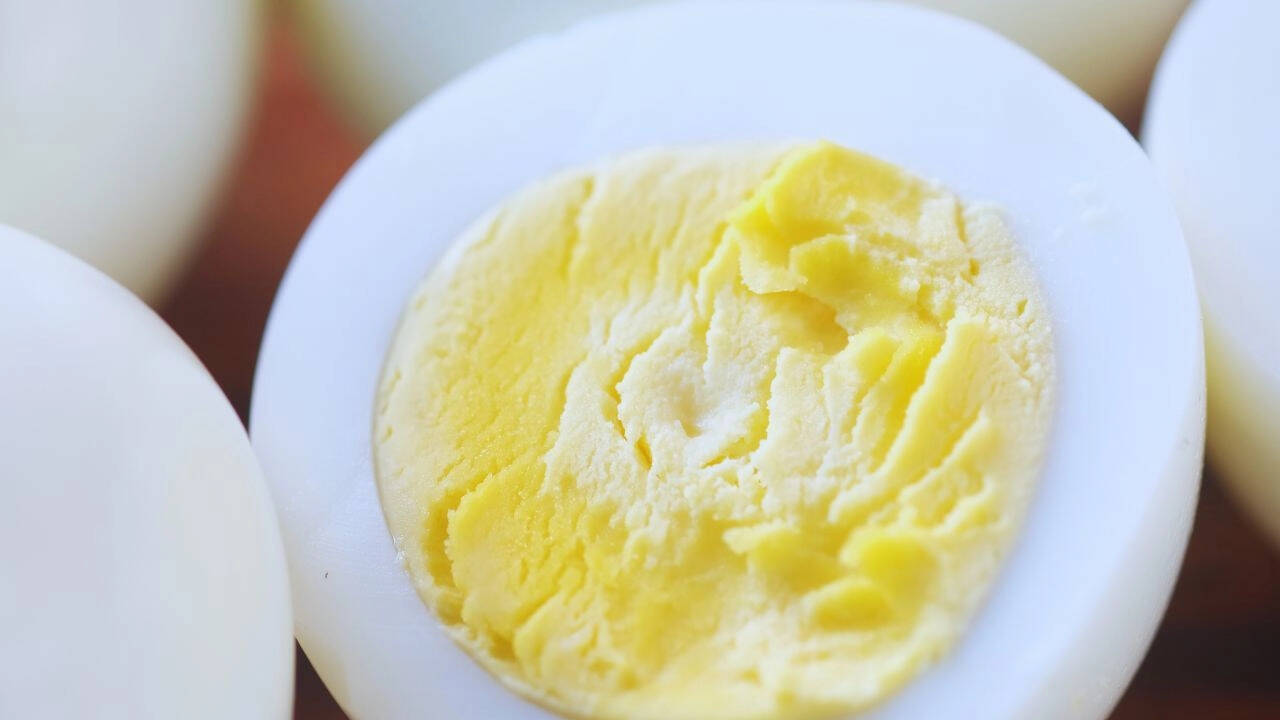
And if cooking makes them safer, can cooking them too much undo their nutritional value and flavour? The answers lie in understanding both food safety science and the delicate nature of egg proteins.For those who want to consume it rawThe primary concern with eating raw eggs is the risk of Salmonella infection. This has been confirmned by several studies. As per a study titled, 'Prevalence of Salmonella in Eggs from Conventional and Cage-Free Egg Production Systems and the Role of Consumers in Reducing Household Contamination' published in the National Library of Medicine, If the eggs are cracked or have not been handled well, a salmonella infestation is imperative.
Salmonella enteritidis is a bacteria that can be present inside the egg or on the shell, even when the egg looks clean and fresh. Consuming raw or undercooked eggs can lead to symptoms such as fever, stomach cramps, diarrhoea, and vomiting, which may appear within hours or days.
While many healthy adults recover without complications, the infection can be serious for children, older adults, pregnant women, and people with weakened immune systems.Not all eggs are pasturisedIn countries such as India, most eggs sold in markets are not pasteurised. Pasteurisation involves heating eggs just enough to kill harmful bacteria without actually cooking them. In places where pasteurised eggs are common, raw egg consumption in foods like mayonnaise, mousse, or tiramisu is considered relatively safe. Without this treatment, however, eating raw eggs carries a genuine risk.
This is why food safety authorities around the world consistently advise against consuming raw or lightly cooked eggs unless they are clearly labelled as pasteurised.
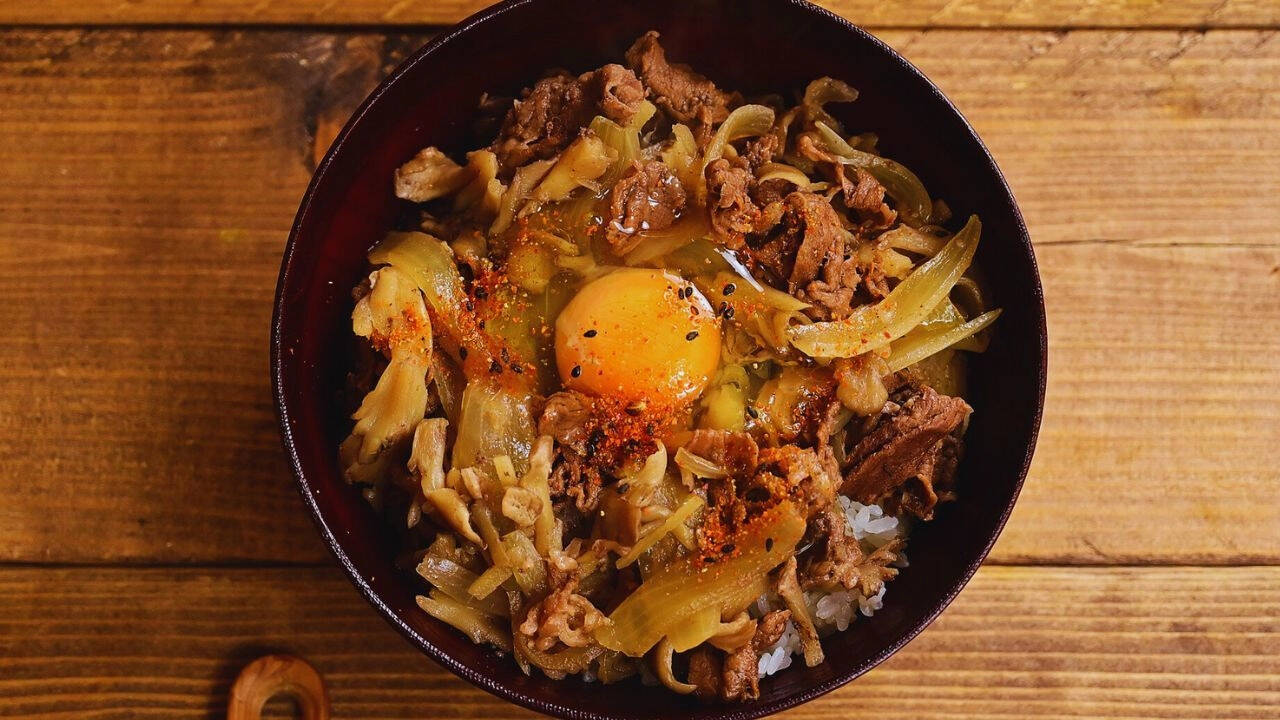
Raw eggs carry more nutrition?In general it is believed that in raw form eggs ahve more nutrition. But the reality is otherwise. Raw egg whites contain a protein called avidin, which binds to biotin, a B-vitamin essential for healthy skin, hair, and metabolism.
When eggs are eaten raw, avidin prevents biotin from being absorbed properly. Cooking neutralises avidin, making biotin available to the body. Additionally, studies show that the human body absorbs protein from cooked eggs far more efficiently than from raw eggs.
Simply put, cooking eggs improves their nutritional usability.Is cooking better then?However, this does not mean that more cooking is always better. Eggs are chemically delicate.
Their proteins begin to denature and coagulate at relatively low temperatures. This is the reason they transform so quickly from liquid to solid. When eggs are exposed to excessive heat or cooked for too long, these proteins tighten excessively, squeezing out moisture and changing texture. This overcoagulation not only affects how eggs feel in the mouth but also how they taste.Overcooking and flavourNo one likes eggs that are overcooked because they lose their flavor and taste.
When egg whites are heated for a long time, the sulfur compounds that are naturally present in them become stronger. This is what makes eggs smell bad when they are overcooked. When you cook hard-boiled eggs for a long time, a greenish-grey ring can form around the yolk. This is because of a chemical reaction between iron and sulfur. It's not dangerous, but it means the food is overcooked and usually comes with a dry, chalky yolk.
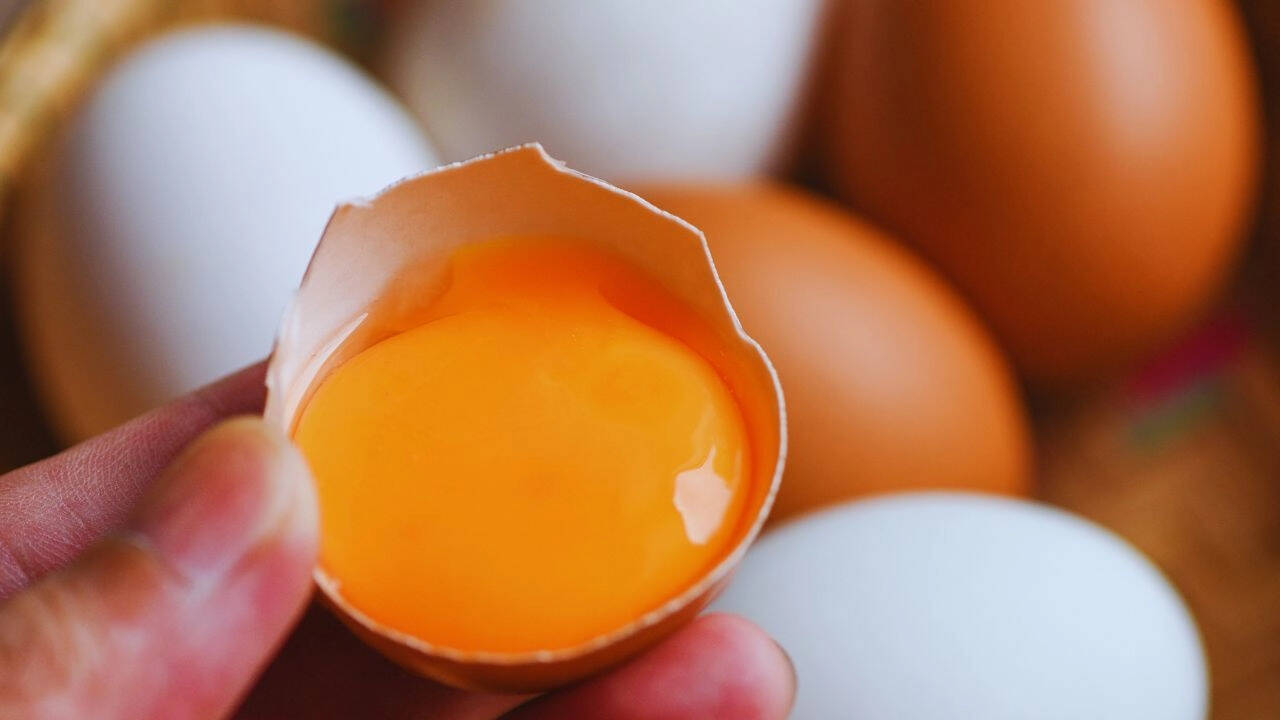
Can too much heat make you lose nutrients?Too much heat does cause some losses in terms of nutrition. Vitamin B12, folate, and some antioxidants found in the yoke may lose nutritients due to overcooking. Cooking for a long time at high temperatures can lower the levels of these compounds.. Fats in the yolk may also oxidise when overheated, slightly diminishing their quality. That said, it is important to keep perspective: even well-cooked eggs remain a rich source of high-quality protein, healthy fats, and essential vitamins.
Overcooking does not strip eggs of all their nutrition; it merely reduces their optimal value.Taste mattersTaste, however, is less forgiving than nutrition. A softly scrambled egg is creamy and custard-like; an overcooked one becomes grainy and dry. A gently poached egg offers richness and contrast; an overboiled one feels heavy and dull. This is why chefs often emphasise temperature control and timing when cooking eggs.
The goal is to cook them enough to ensure safety while preserving their natural texture and flavour.
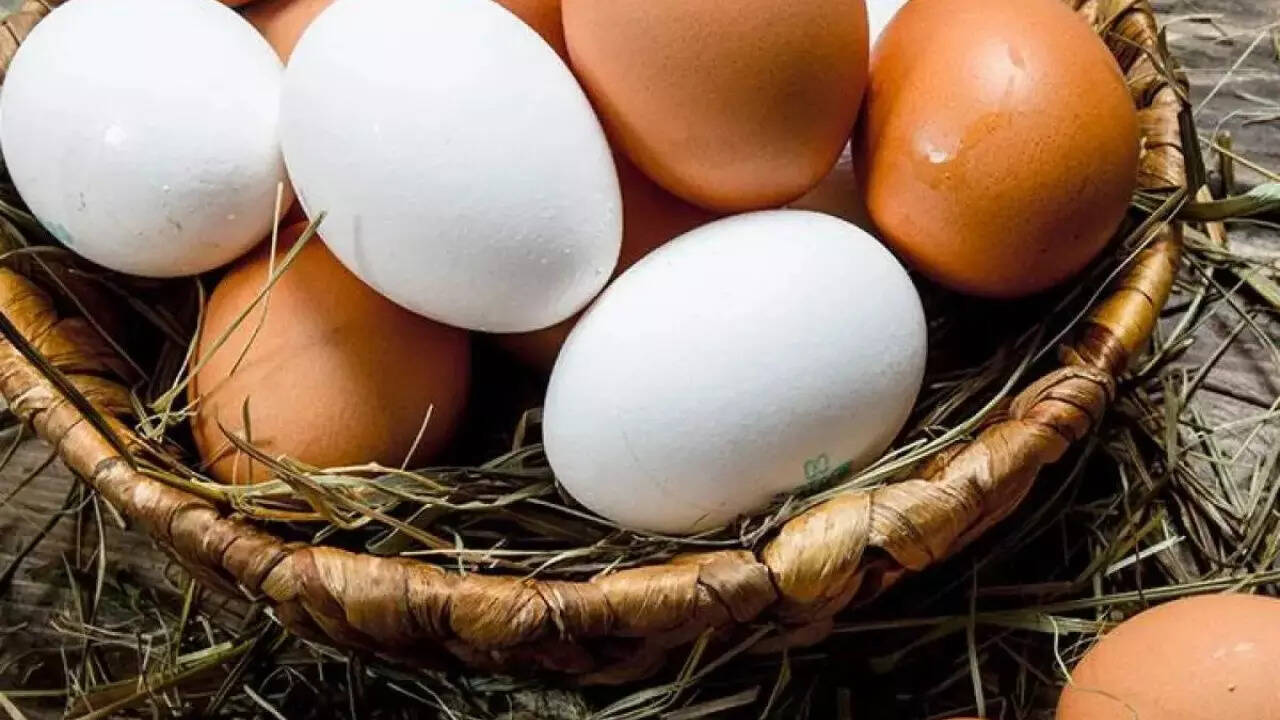
Striking out a balanceTo strike a balance, proper cooking is important rather than making extreme choices. Eggs should be cooked until the whites are fully set, as this is where bacteria are most likely to survive, while the yolks can remain soft or medium depending on preference and health considerations. Lower heat and shorter cooking times allow proteins to set gently, resulting in better taste and texture without sacrificing safety.
For those who enjoy foods that traditionally use raw eggs, such as homemade mayonnaise or certain desserts, pasteurised eggs or commercially prepared versions are the safest options. This approach respects both culinary tradition and modern food safety standards. In the end, eggs do not demand perfection—only care. Eating them raw carries avoidable risks, while cooking them excessively diminishes what makes them enjoyable in the first place. When handled thoughtfully, eggs offer the best of both worlds: safety, nourishment, and flavour. The real skill lies not in choosing raw or fully cooked, but in knowing when to stop.









 English (US) ·