

 1 hour ago
3
1 hour ago
3
ARTICLE AD BOX
Last Updated:January 15, 2026, 18:33 IST
India’s armoured forces now feature Arjun Mk-1A, T-90 Bhishma, Zorawar, Carl Gustaf and T-72 Ajay, giving the Army a decisive edge across diverse terrains and boosting deterrence
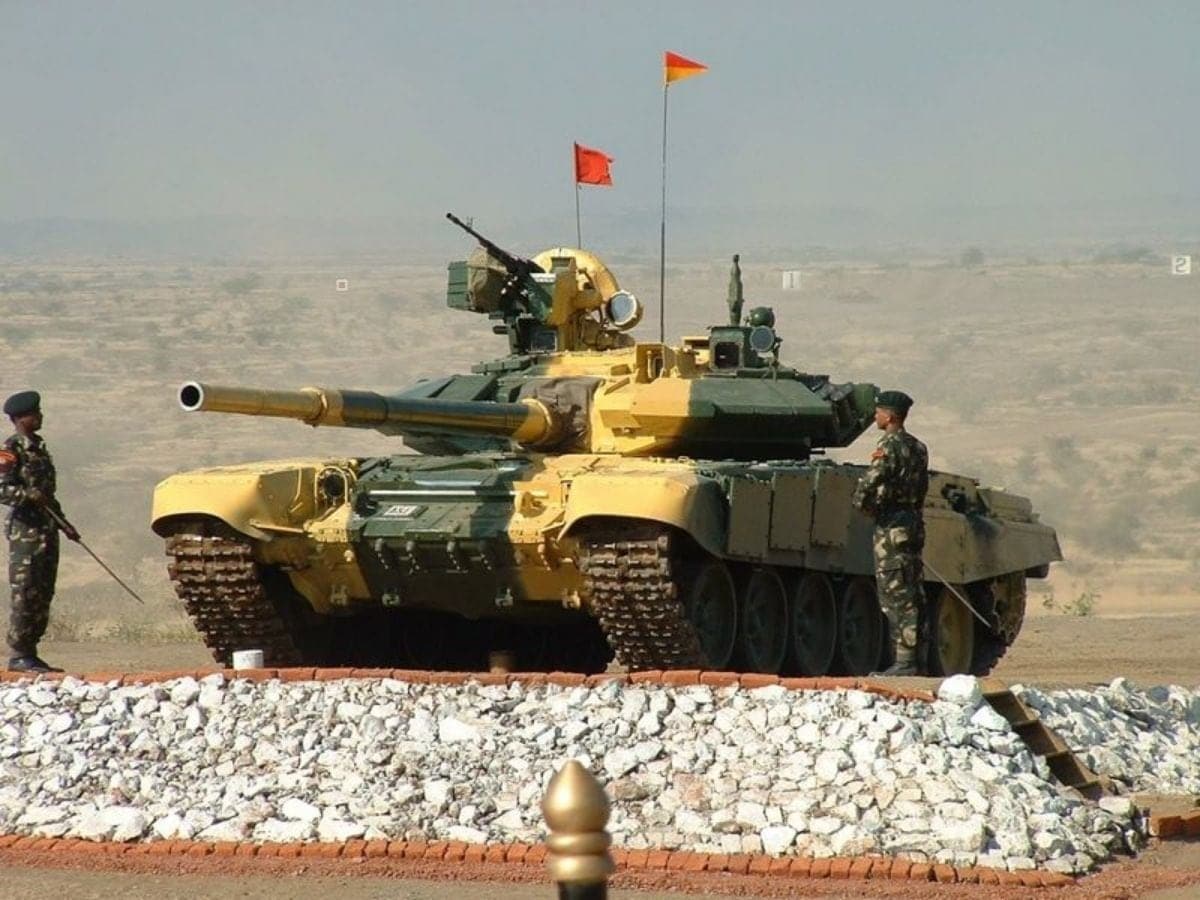
The pace at which India has modernised its armoured forces over the past few years has fundamentally altered military equations in the region, compelling adversaries to reassess long-held assumptions. From deserts to high-altitude frontiers, the Indian Army today fields a mix of main battle tanks and anti-tank systems that outmatch rival platforms in speed, firepower, protection and battlefield awareness. At the heart of this shift are advanced platforms such as the Arjun Mk-1A, the T-90 Bhishma and the newly developed Zorawar light tank, supported by lethal infantry-level anti-armour weapons. Together, they have given India a decisive qualitative edge. (News18 Hindi)
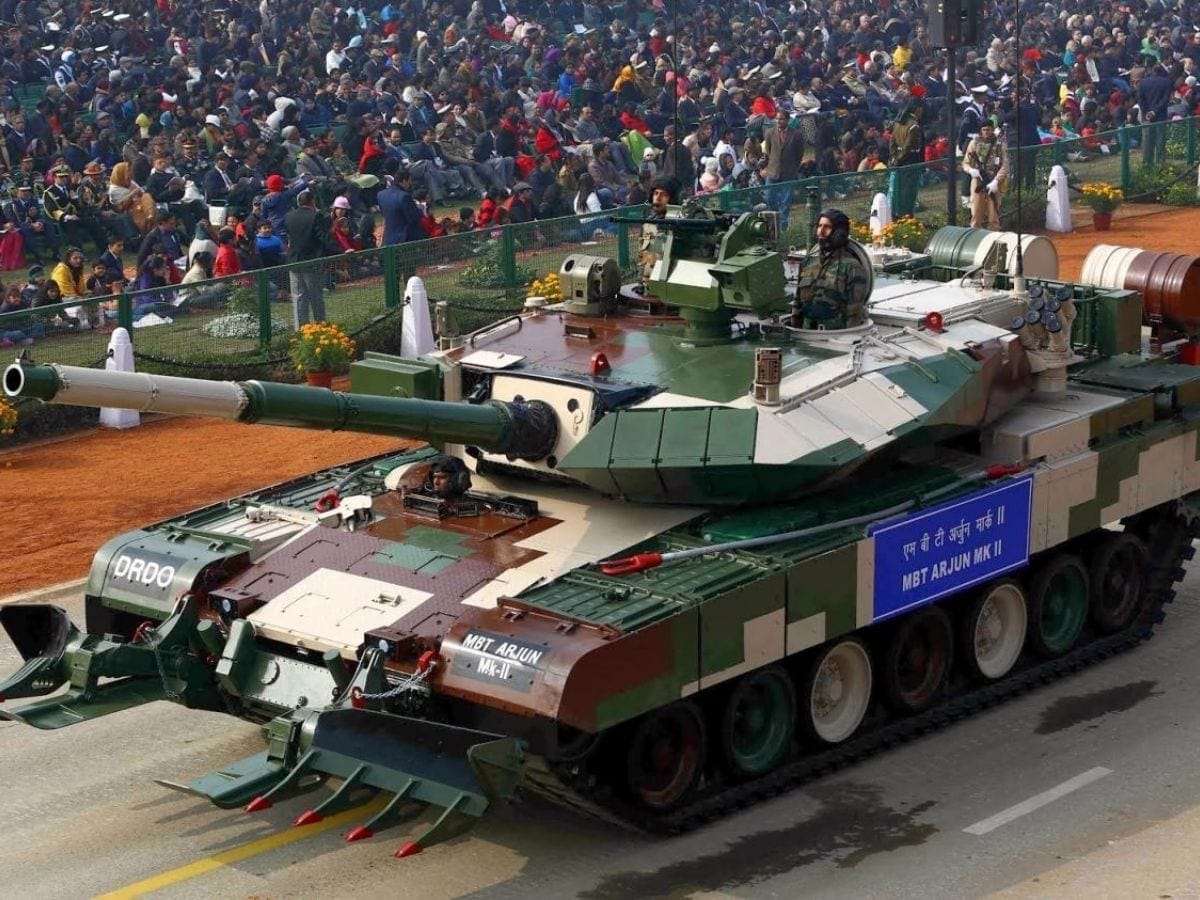
This transformation has been driven by a rapidly evolving security environment, including volatile border situations, the challenge of a potential two-front contingency and the imperative of swift, flexible response. These pressures have accelerated India's push towards a self-reliant, technology-intensive armoured fleet. Military planners stress that these systems are not merely instruments of warfighting but also pillars of deterrence, designed to prevent conflict by raising the costs for any adversary contemplating aggression. Each platform is optimised for a specific theatre, heavy tanks for the plains and deserts, lighter platforms for the mountains, and portable systems to empower infantry, creating a layered and resilient armoured posture. (News18 Hindi)
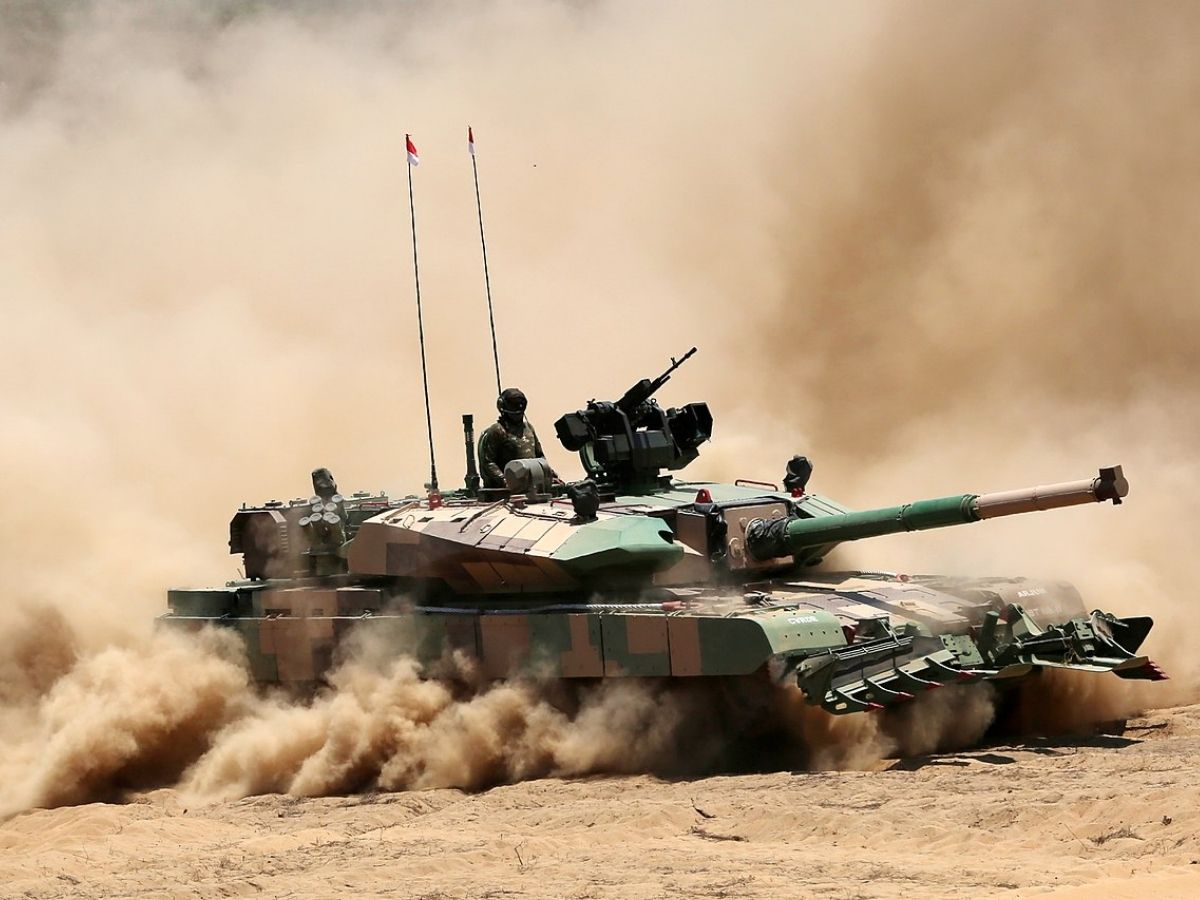
Arjun Mk-1A: At the centre is the Arjun Mk-1A, widely regarded as the most potent tank ever inducted by the Indian Army. Designed and developed in India, the tank symbolises the country’s growing confidence in its domestic defence industry. Armed with a 120 mm rifled gun and backed by a sophisticated fire-control system, the Arjun Mk-1A can engage targets with high accuracy even at extended ranges. Its ability to fire laser-guided missiles such as LAHAT significantly enhances its stand-off strike capability. Advanced explosive reactive armour and improvements in crew survivability add to its lethality. Despite tipping the scales at around 68 tonnes, the tank can achieve speeds close to 70 kmph, with a powerful engine and refined suspension ensuring mobility in harsh desert conditions. The integration of AI-assisted target tracking and modern sensors has further widened the gap between the Arjun and comparable regional platforms. (News18 Hindi)
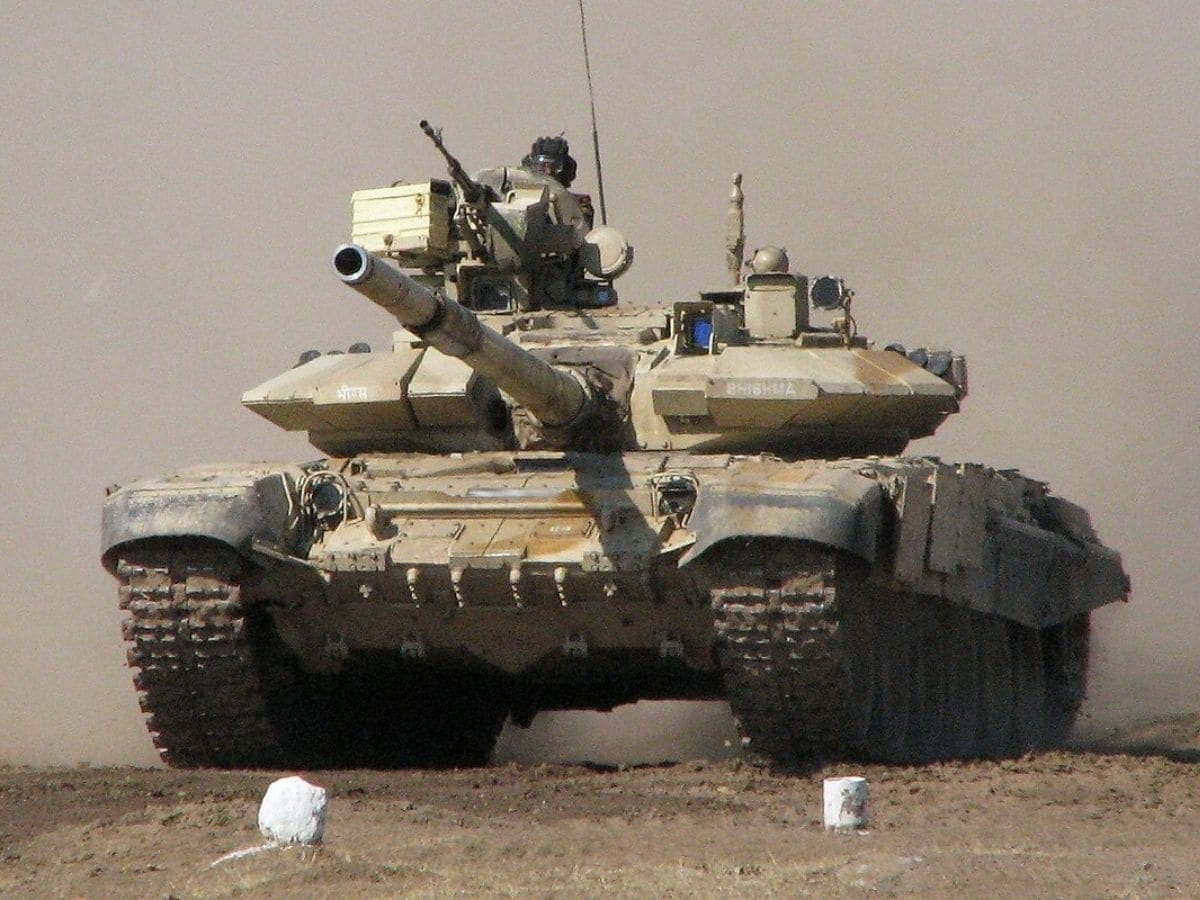
T-90 Bhishma: Complementing this indigenous heavyweight is the T-90 Bhishma, the Indian Army's mainstay and one of the most extensively deployed tanks in its inventory. Adapted from the Russian design to meet Indian operational requirements, the Bhishma combines combat-proven reliability with modern upgrades. Its 125 mm smoothbore gun, capable of firing the Reflex anti-tank guided missile, gives it formidable punch, while thermal sights and automatic target tracking ensure effectiveness by day and night. Protection is enhanced through explosive reactive armour and smoke grenade systems that degrade enemy targeting. Weighing roughly 50 tonnes and capable of speeds of up to 60 kmph, the T-90 strikes a balance between firepower, protection and mobility. Crucially, large-scale induction and domestic production have streamlined logistics and maintenance, enabling faster mobilisation during crises. (News18 Hindi)
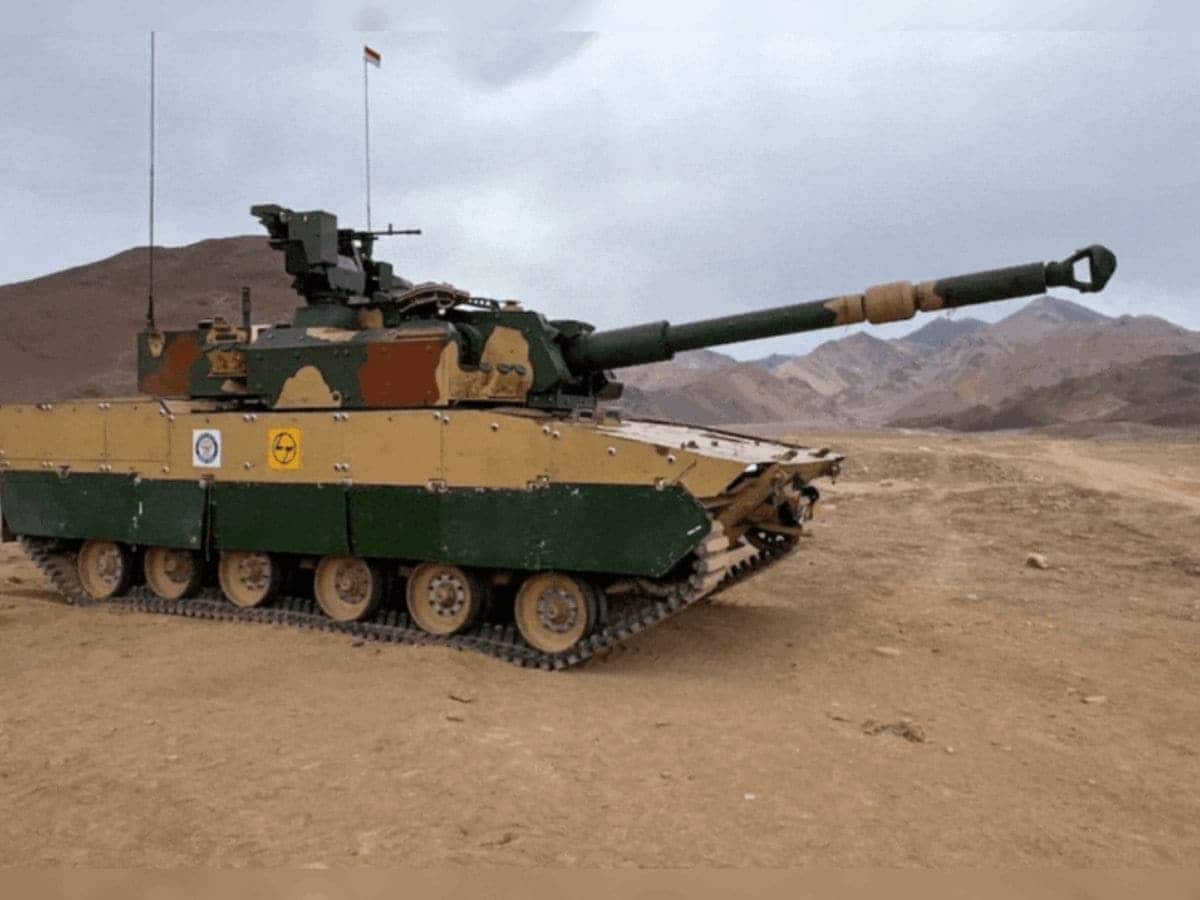
Zorawar Tank: The most significant recent addition, however, addresses a long-standing gap in India's armoured capability along the northern borders. The Zorawar light tank, developed by the Defence Research and Development Organisation in partnership with Larsen & Toubro, has been purpose-built for high-altitude warfare, particularly in the context of the standoff with China. Weighing about 25 tonnes, the tank is designed to operate at altitudes exceeding 4,000 metres in regions such as Ladakh and Arunachal Pradesh, where heavier platforms face severe limitations. Equipped with a 105 mm main gun, modern thermal imaging sights and provisions for reactive armour, the Zorawar is optimised for rapid, accurate engagements in extreme terrain. A 750-horsepower engine gives it a top speed of around 65 kmph, while its systems are rated to function in temperatures ranging from minus 30 degrees Celsius to plus 50 degrees. After the rollout of its first prototype in 2024 and completion of trials in 2025, the Army is planning the induction of over 300 units, a move seen as a direct counter to China's deployment of light tanks in Tibet. (News18 Hindi)
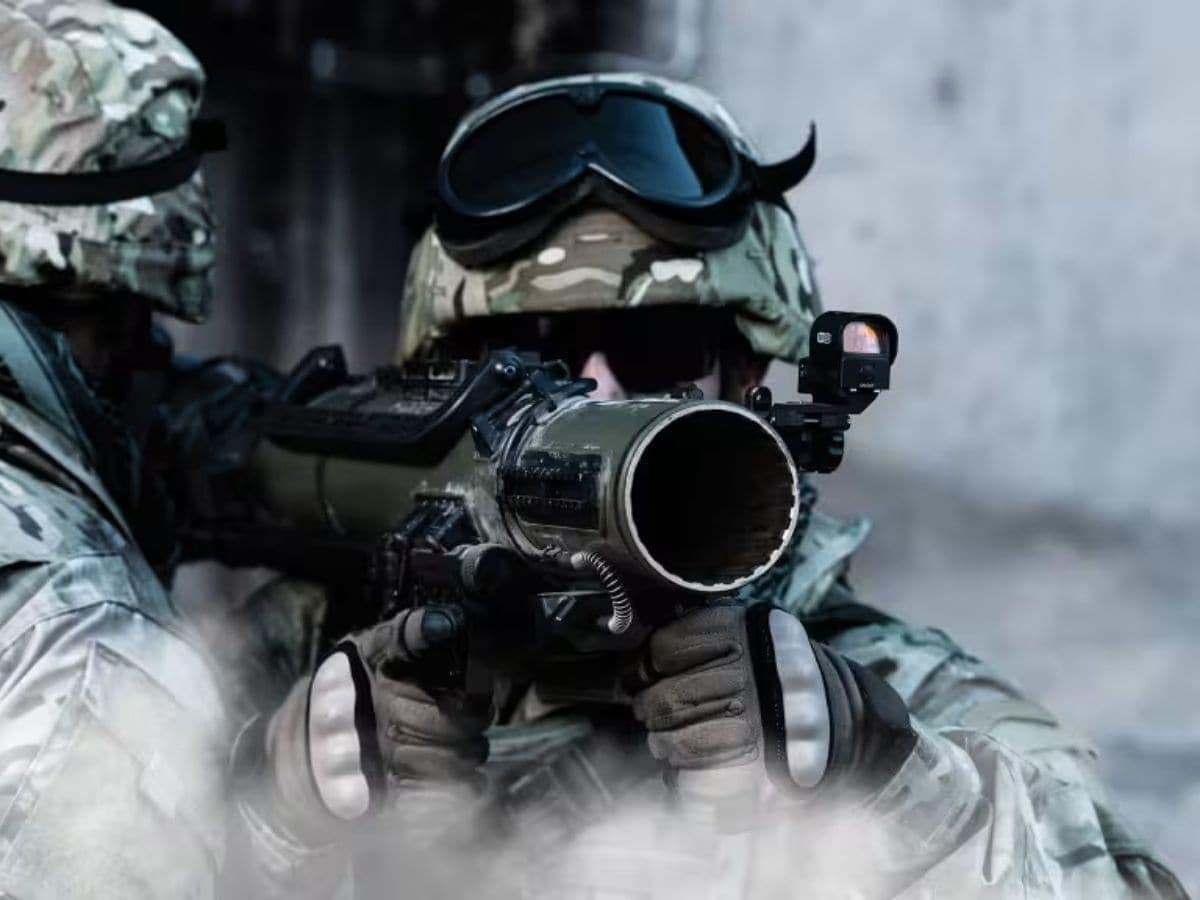
Carl Gustaf: Beyond tanks, India has also strengthened its anti-armour capabilities at the infantry level. The Carl Gustaf recoilless rifle, though not an armoured platform itself, has emerged as one of the most feared threats to enemy tanks. Firing 84 mm ammunition, including HEAT and HESH warheads, it offers foot soldiers a flexible and powerful means of engaging armoured targets. Its relatively light weight, high accuracy and versatility make it particularly effective in urban combat and mountainous terrain. With an effective range of up to 700 metres, the weapon is well suited for ambushes and rapid reaction scenarios. (News18 Hindi)
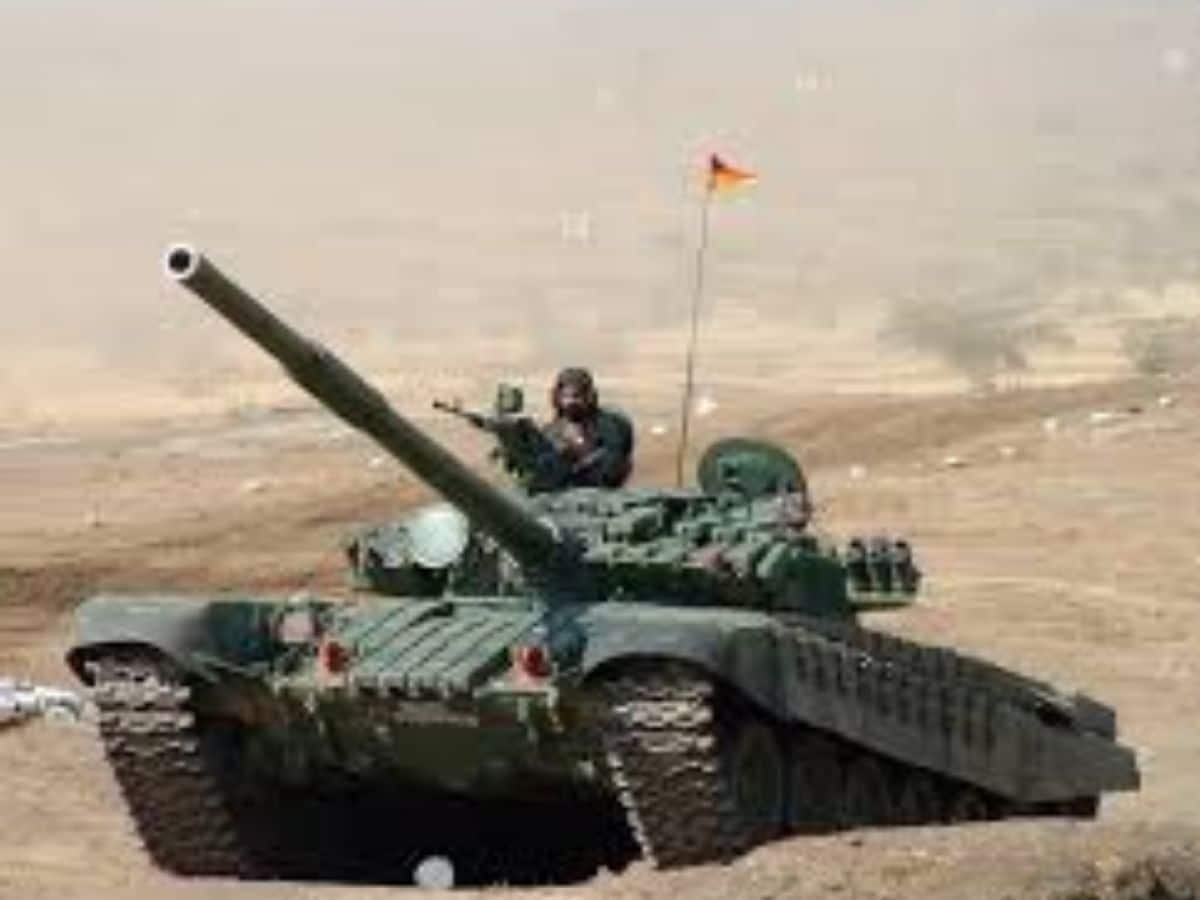
T-72 Ajay: Even older platforms continue to play a role in this evolving matrix. The T-72 Ajay, despite its age, remains relevant following a series of upgrades that have improved its firepower, night-fighting capability, communications and protection. Armed with a 125 mm gun and fitted with reactive armour, the tank serves as a dependable reserve. Its proven design, availability in large numbers and experienced crews ensure that it can still be deployed effectively for quick operations, with speeds comparable to more modern tanks. (News18 Hindi)
News Photogallery india Arjun, Bhishma, Zorawar: Why India's Top 5 Tanks Are A Nightmare for Enemy Defences








 English (US) ·