

 1 hour ago
5
1 hour ago
5
ARTICLE AD BOX
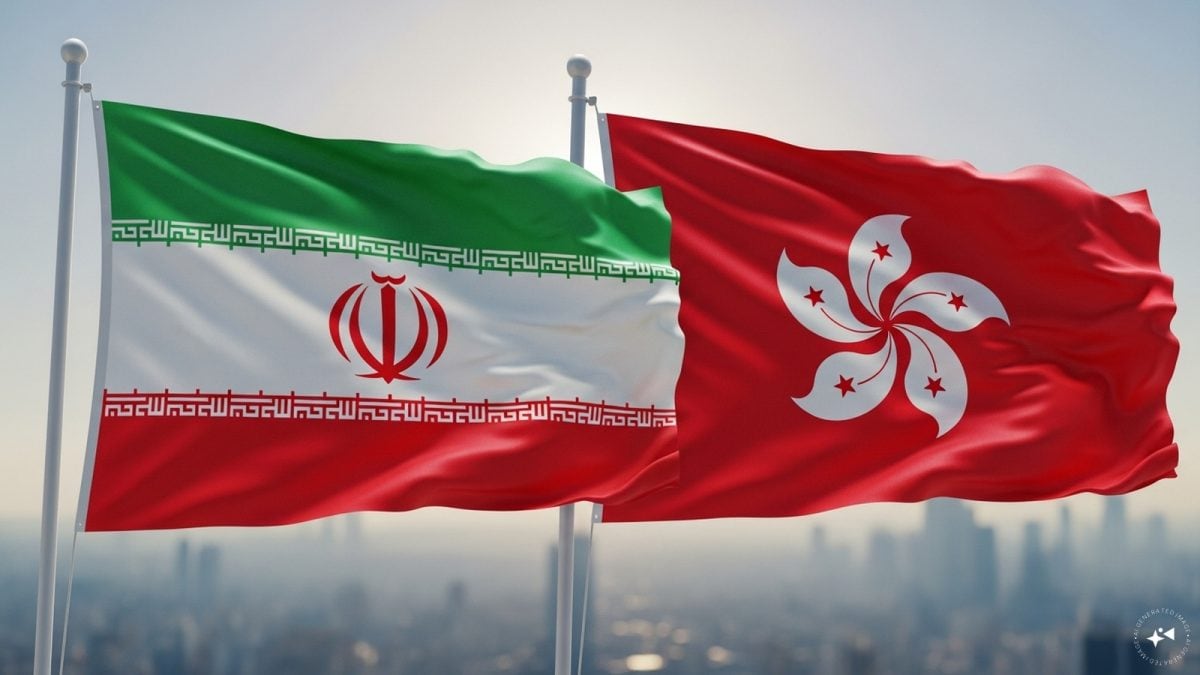
After briefly declaring the Strait of Hormuz open during the ceasefire, Iran said it had shut the waterway again, blaming the move on the continued U.S. blockade of Iranian ports.
Two India-bound vessels — Jag Arnav and Sanmar Herald — turned back north of Oman after the Iranian navy fired on ships attempting to cross the Strait of Hormuz. Only one appears to have been directly targeted. TankerTrackers said the vessel under attack was likely an Indian-flagged VLCC carrying about 2 million barrels of Iraqi oil, likely Sanmar Herald.
On tracking platforms, the vessel changed its destination and display name to “INDIASHIPINDIACREW”, while its IMO number — the unique ship identification number issued under the International Maritime Organisation system — stayed the same. The change appears to have been an attempt to signal its Indian identity during the attack.
After Iran briefly reopened the strait, Desh Garima, an Indian crude oil tanker with a deadweight of 114,790 tonnes, crossed into the Gulf of Oman. Next in line were Sanmar Herald and Jag Arnav, the two India-bound vessels later reported to have come under fire.
According to government sources, a bullet hit a window of the India-flagged vessel in the Strait of Hormuz, though no injuries were reported.
India Today tracked other Indian vessels in the area and found that at least eight of the 20 ships stranded in the Persian Gulf attempted to cross the strait soon after Iran’s foreign minister declared it open yesterday. Except for Desh Garima, seven other vessels turned back and stayed stranded behind the chokepoint.
Among them was BW Loyalty, an LPG tanker that still appeared stuck in Hormuz. It had remained near Qatar through the last two weeks of a conflict that has now lasted for 50 days.
In the last 24 hours, it moved toward the strait and reached the U-bend off Khasab, before real-time marine tracking suggested it had turned back.
Three Indian crude tankers, Desh Vaibhav, Desh Vibhor and Desh Suraksha, also reversed course after the incident. Their earlier positions showed them lined up behind Jag Arnav and Sanmar Herald to cross the strait. Soon after, they veered sharply west, back into the Gulf.
The remaining Indian-flagged vessels — VOLVOX OLYMPIA, SM KAVERI, SSL KAVERI, APJ PRITI 2, SANMAR SUPARNA, JAG PAVITRA, MARAFI 1, SAN DOMINO, BALTIC HIGHWAY, TAG 22 and TELO — have so far remained stationary. Their positions hint at a fleet in wait, holding back rather than risking a passage through an increasingly volatile chokepoint.
IRAN IMPOSES STRICT CONTROL
Iran’s joint military command said “control of the Strait of Hormuz has returned to its previous state” under strict armed forces management, warning it would continue to block transit as long as the US blockade on Iranian ports remained in place.
Iran had earlier allowed limited, regulated passage for oil tankers and commercial vessels following negotiations, describing it as a move made “in good faith”. That arrangement has now been rolled back.
Ebrahim Azizi, head of the Iranian parliament’s National Security Commission, said the strait was “returning to the status quo”, which includes ships requiring Iranian naval authorisation and toll payments before transiting.
Iran has largely prevented vessels from crossing throughout the seven-week-long conflict, except the ones it authorises.
- Ends
Published By:
Aprameya Rao
Published On:
Apr 18, 2026 20:09 IST
Tune In




 English (US) ·