

 1 hour ago
4
1 hour ago
4
ARTICLE AD BOX
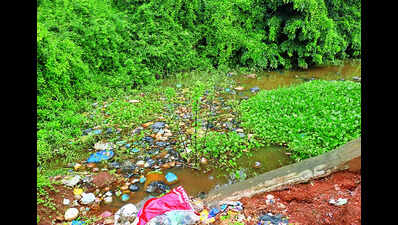
Panaji: The Comptroller and Auditor General of India (CAG) exposed significant financial irregularities in the Sal river desilting project, revealing that the Captain of Ports (CoP) department violated procurement norms and made excess payments of ₹3.1 crore to contractors by awarding additional work without competitive bidding.
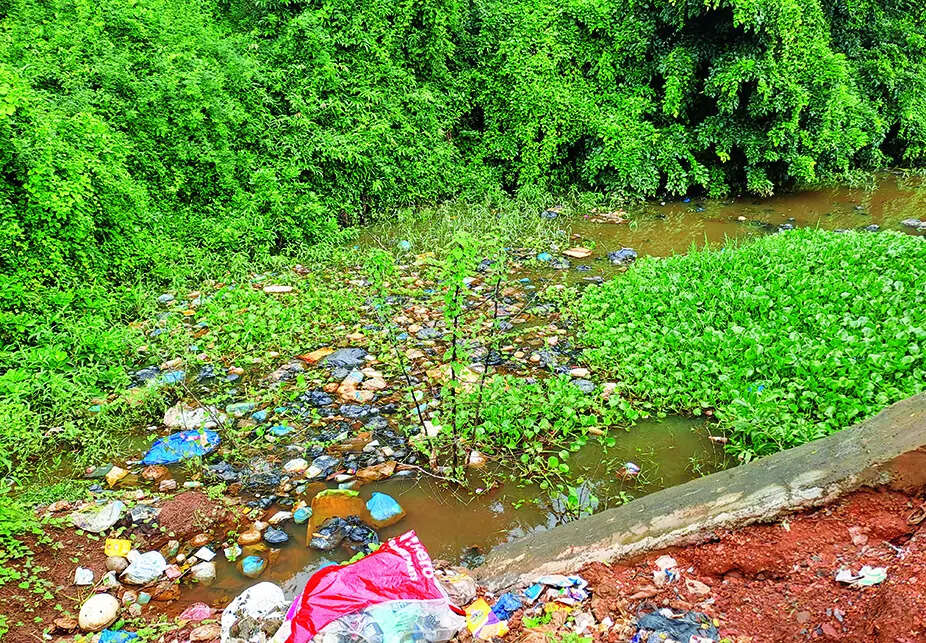
The project, designed to desilt an 18km stretch of the Sal from Telaulim-Varca new bridge to the river’s mouth, was divided into three phases of 6km each to facilitate free movement of vessels. While the original tenders attracted competitive bids significantly below estimated costs, the department’s handling of additional work drew sharp criticism from the auditors.Phase 1, launched in June 2020 with an estimated cost of ₹15.4 crore, was awarded to Vaibhavi Dredging at ₹8.5 crore, representing a 45% reduction from the estimate.
The contractor completed the work in May 2021, but following requests from the water resources department and the Dramapur-Sirlim village panchayat, additional dredging work worth ₹3.9 crore was awarded to the same contractor on a nomination basis in Oct 2021, without inviting fresh tenders.Similarly, Phase 2, tendered in June 2021, was awarded to Western Dredging at ₹12.5 crore, 19% below the estimated ₹15.4 crore.
After completion in April 2022, govt forwarded resolutions from Chinchinim and Assolna panchayats highlighting urgent flood risks. The CoP then prepared an estimate of ₹4.5 crore for additional work and awarded it to Western Dredging on a nomination basis in Sep 2022.The CAG’s Feb 2023 audit revealed that these additional works constituted 47% and 36% of the original contract values in Phases 1 and 2, respectively, far exceeding the 25% threshold that mandates fresh tendering under the manual for procurement of works, 2019.
“The cost of any additional work exceeding 25% of the original contract value of the work should undergo a tendering process,” the report stated, adding that “the works should be tendered instead of being awarded on a nomination basis.
”More critically, while the original tenders were awarded at substantial discounts, the additional works were awarded at full estimated rates. “Given that the initial tenders were awarded at prices 45% and 19% below the estimated costs, the same principle should be applied to the additional work,” the CAG observed.
The auditors noted that the department also paid for mobilisation and demobilisation of desilting machinery despite initially claiming such equipment was already available at the site.The audit further highlighted that Phase 3 of the project, tendered in Dec 2022 with identical specifications, attracted bids 37% below the estimated cost, demonstrating that competitive tendering consistently yielded better rates.The CoP defended the decision, claiming in Feb 2023 that additional works were “more challenging tasks” requiring different machinery. In a Sep 2024 response, the department acknowledged accepting rates quoted by tenderers while maintaining that govt approval was obtained for the nomination-based awards.The CAG dismissed these explanations as untenable. “There was nothing on record at either the proposal stage or in the additional work estimates that the additional work was more challenging or required additional machinery,” the audit report said.“The decision of CoP to award the additional works on a nomination basis was in contravention of procurement rules,” the CAG stated, adding that the “inability to adhere to the same terms and conditions as applicable to the original works led to an excess payment of ₹3.1 crore made to the contractors.”








 English (US) ·