

 3 days ago
6
3 days ago
6
ARTICLE AD BOX
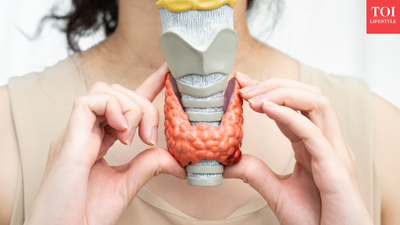
Thyroid disorders are among the most common endocrine conditions affecting adults today, often progressing quietly and becoming chronic before they are fully understood. Disruptions in thyroid function can influence metabolism, energy levels, mood stability, weight regulation, and overall vitality.
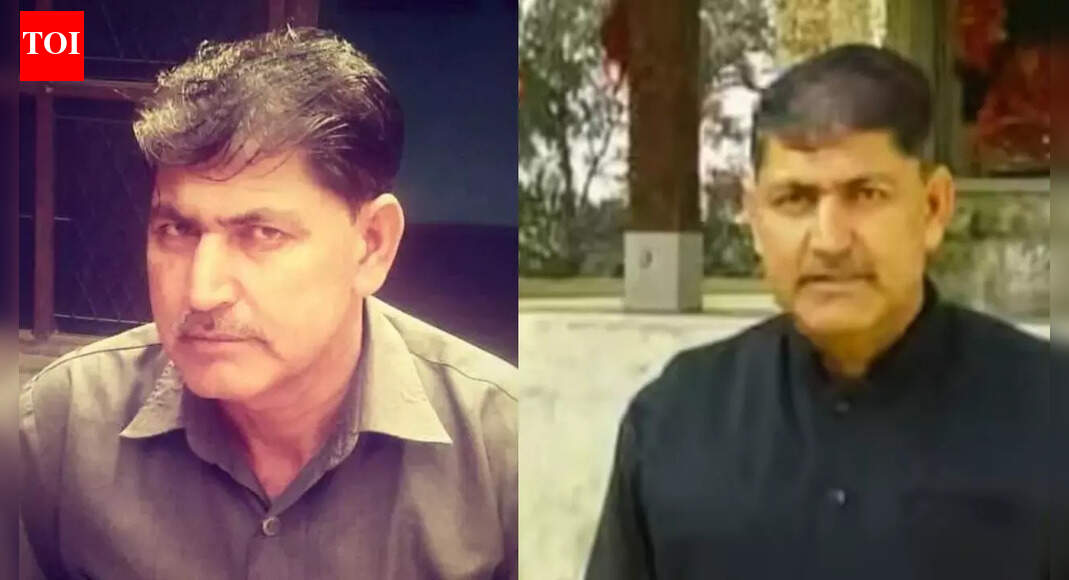
For many individuals, the condition turns into a long-term management challenge rather than a short-term illness. Conventional medical interventions are effective in monitoring hormone levels and controlling symptoms, but some patients experience fluctuating relief, prompting exploration of more integrative care models.At 53 years of age, Shivkumar Aggarwal had been managing thyroid-related health issues for several years.
He initially relied on allopathic treatment, which offered intermittent relief but failed to deliver lasting stability. Over time, symptoms would subside briefly and then return, reinforcing a cycle of uncertainty and ongoing discomfort. This pattern not only affected his physical health but also his confidence in long-term recovery.

Seeking a more structured and comprehensive approach, he enrolled in a short-term holistic care program at Patanjali Wellness Centre, Haridwar.
The objective of the intervention was not immediate symptom suppression, but systemic balance and internal regulation. The seven-day program was designed around non-invasive therapies, controlled breathing practices, and guided physical movement, with an emphasis on discipline and routine.The therapeutic plan included external treatments such as hot and cold compress therapy, abdominal wraps, and neck-area applications.
These modalities are traditionally used to stimulate circulation, support glandular activity, and reduce stagnation in targeted regions. Alternating thermal exposure and localized support aimed to encourage physiological responsiveness and metabolic alignment.Pranayama formed a central pillar of the program. Practices such as Anulom Vilom, Bhramari, and Udgith were performed regularly to stabilize the nervous system and reduce stress load.
Given the close relationship between stress hormones and thyroid function, regulated breathing played a strategic role in restoring internal equilibrium and mental clarity.

The program also incorporated a structured yoga regimen involving postures such as Ardha Chakrasana, Bhujangasana, Setubandhasana, Dhanurasana, Naukasana, Shavasana, and Surya Namaskar, along with joint exercises and yogic jogging.
These practices were aimed at improving spinal flexibility, stimulating the neck and abdominal regions, enhancing circulation, and supporting overall metabolic efficiency without physical strain.Within a short duration, Shivkumar Aggarwal reported marked improvement in long-standing symptoms. Beyond physical relief, he experienced better energy levels, functional ease, and a renewed sense of wellbeing. The outcome highlighted the impact of consistency, structure, and a systems-based approach to managing chronic endocrine conditions.All testimonials are provided by Patanjali







 English (US) ·