

 1 week ago
11
1 week ago
11
“This flight is doomed”, said the passenger next to me, with a chuckle. Not the kind of words you would want to hear, especially airborne. Luckily, we were still firmly on the ground when this comment was made. At this point, it was anybody’s guess if the flight would take off, let alone reach the destination.
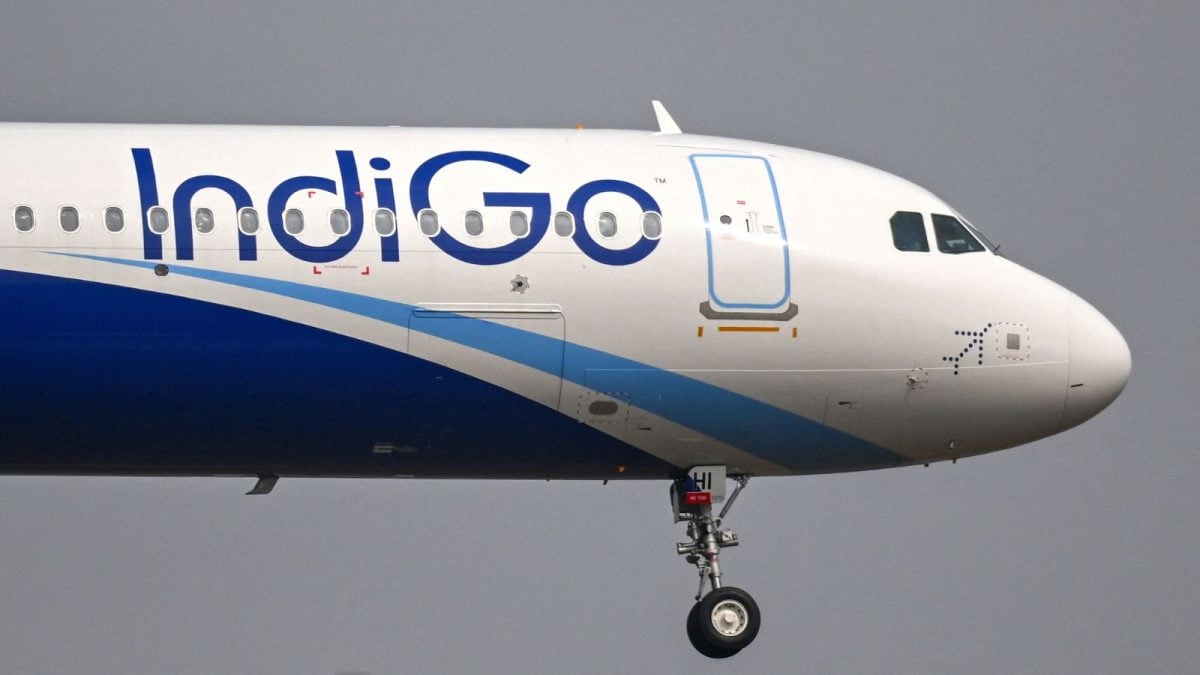
The passenger’s comment didn’t just apply to the flight in question, but to the Indian airline industry, as we were to witness in the coming days. If you hadn’t been left stranded by Indigo in the last week, there’s a good chance you would know somebody – a friend, colleague, relative – who has been impacted in whichever way.
Thousands of passengers are still counting the costs – money, time and emotions – of a cancelled or delayed flight. I had the bizarre experience of a vacation bookended by two disrupted flights. The planets were simply not aligned in my favour, let’s just say, for the lack of any other plausible explanation.
The chaos and confusion I experienced wasn’t restricted to only one airline. Late in November, I was to fly from Bangalore to Guwahati, where I was set to join an organised group trip to Meghalaya. The evening Air India Express flight was initially delayed by an hour and a half, as it departed late from Ranchi, before the Bangalore halt. Boarding was further delayed, as we braced for a midnight arrival.
After covering the length and breadth of Terminal 2’s vast tarmac, barely minutes before take-off, the script changed. One passenger suddenly developed seizures. After the crew sounded the alarm that he wasn’t responding, we feared the worst. The captain aborted take-off and brought the flight back to the terminal. While the crew scrambled to revive him, one male passenger from the front – oblivious to the medical emergency - got up and started complaining, demanding to know when the flight would depart. It wasn’t the last time we witnessed a crew member being yelled at. He was told firmly to get back to his seat.
Paramedics rushed in to revive him, and though he made a steady recovery, he was deemed unfit to travel. That was followed by a standard security protocol of identifying each cabin baggage, which added to the existing delay. One could never tell what would happen next, which prompted the “doomed” comment from the guy next to me. Ten minutes later came the announcement nobody wanted to hear – the flight was being cancelled as the ATC in Guwahati had not given permission to land, as it was past the cut-off time.
Back at the arrival terminal, chaos unfolded. The hapless crew were waiting for information from Air India on the rescheduled flight. With multiple flight departure timings doing the rounds, we didn’t know who to believe. Mini clusters were formed, with fuming passengers demanding answers from the ground staff who, at that point, were just as clueless. It was the soft launch of what we were to later witness in airports across India. But on this night, as Air India Express got tangled in this operational mess, Indigo, ironically, was the more dependable airline.
The anxiety among fellow passengers was palpable. One group was worried about catching their connecting flight to Dimapur; one couple had lost hope of reaching Shillong for a funeral; my neighbour, through sheer luck, snagged a ticket to Bagdogra for a family function. We were told by the crew that the rescheduled flight would depart no later than 8 a.m. the next morning, only for it to be changed to 12:30 p.m.
Hotels near the airport were unavailable, and after another endless wait, a hotel was arranged more than 20 km away. Why was the flight delayed? “Operational reasons” was all the airline could say in writing. The next morning, I read about the solar radiation issue that had affected airlines worldwide, including the Airbus A320 fleet that had grounded several flights in India itself. One airline ground staff member told me it could have been due to the spillover effect of those delays, plus the weather.
We woke up to the update that the flight had been delayed further to 1:45 p.m. The systems at the airport entry hadn’t been updated to recognise the rescheduled flight, causing more confusion. The farcical scenes extended to the terminal bus, prior to boarding. Two planes were parked a few hundred metres apart, but till the last minute, there was no clarity on which one we would board. The bus shunted between the two planes, like a confused lover running back and forth between two romantic partners, before eventually settling on the first plane. We joked that our luggage would arrive on the other plane.
We were happily reunited with our luggage in Guwahati. Now seen in the context of Indigo’s luggage crisis, among other things, we had to count ourselves lucky. Thanks to the delay, I wasn’t able to join my travel group as planned and had to make my way to Shillong.
Towards the end of the trip, as the fresh Indigo mess erupted, there was nervousness across the group as we doomscrolled social media to read about hundreds of flights being cancelled. Till the morning of my departure, I had a confirmed Indigo return ticket, but I and many from my group were in for a rude shock at the airport. We were told by the staff that all Indigo flights from Guwahati stood cancelled for the next three days, with zero hope of rescheduling or arranged accommodation.
I ended up paying an exorbitant amount for a ticket the following night (ironically, by Air India Express). Given the circumstances, I, and many others, didn’t have much of a choice. Tempers flared at the counter, but it was relatively peaceful in Guwahati airport compared to the volatile scenes in other bigger cities. On my way to the airport again the next evening, my Uber driver was anxious if his brother’s Indigo flight on December 18 would be cancelled. The worst would be over by then, was the best encouragement I could offer.
Cliff jumping into the ice-cold waters of Meghalaya in winter was hardly a source of tension for us. Flying back home, was.







 English (US) ·