

 2 hours ago
3
2 hours ago
3
ARTICLE AD BOX
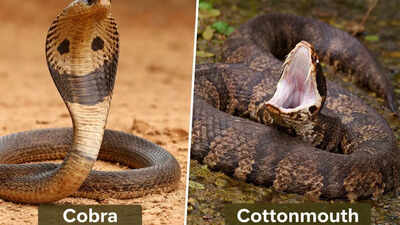
Snakes have been a major point of interest for humans over the years, especially those that are venomous. From all the venomous snakes that are present in this world, cobras and cottonmouths are two of the most feared and famous venomous snakes.
Although they are venomous and can cause harm to humans, they are different from one another in terms of danger.Cobras are famous for their hoods and their neurotoxic venom. Cottonmouths, or water moccasins, are famous for their aggressive nature and for living in water. Comparing these two venomous snakes is not just based on fear, but on how dangerous they are.
Differences between cobra and cottonmouth
PC: AI-Generated
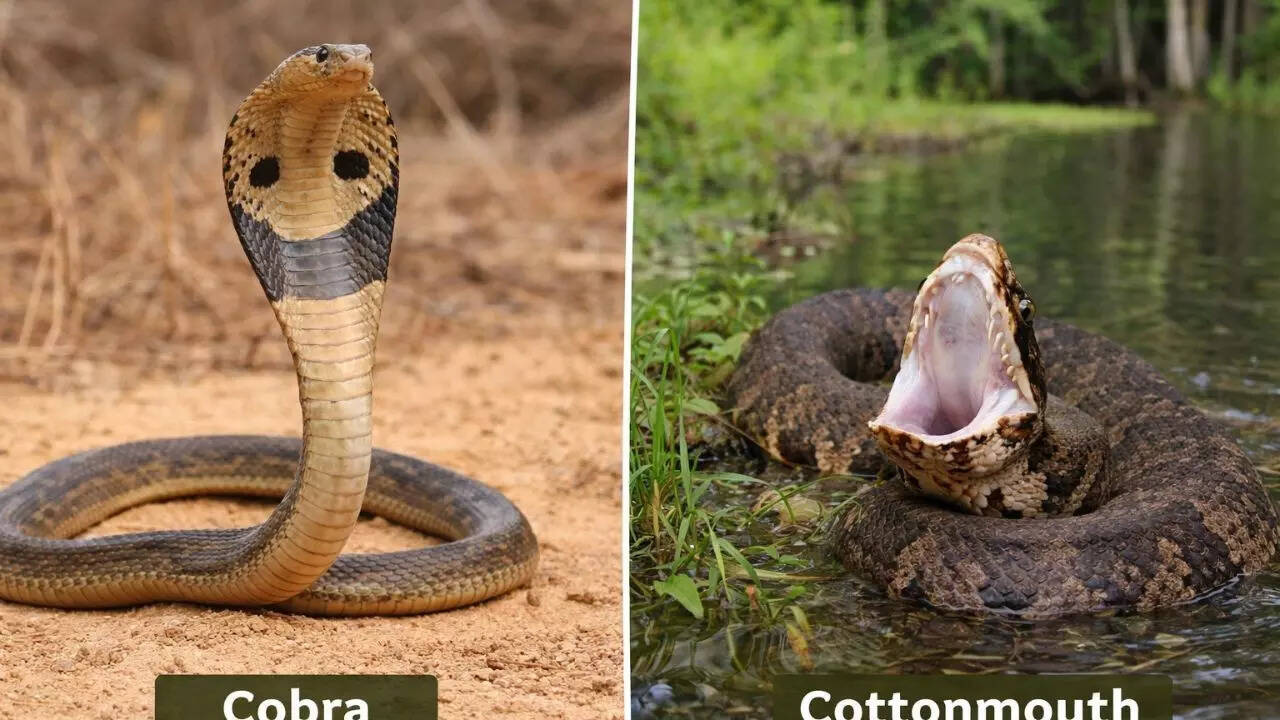
The cobras belong to the Naja genus and are distributed in Africa and Asia.
The cobras have an iconic look with a hood and neurotoxic venom, which affects the nervous system by paralysis. The king cobra is the longest and most venomous snake in the world.The cottonmouth, or water moccasin, is a venomous snake in the southeastern part of the United States. The snake has a white lining in the mouth, which it opens to alert predators. The snake has hemotoxic venom, which kills tissue and affects blood circulation, unlike cobras, which have neurotoxic venom.
Cobra vs Cottonmouth: Venom comparison and effects
PC: AI-Generated
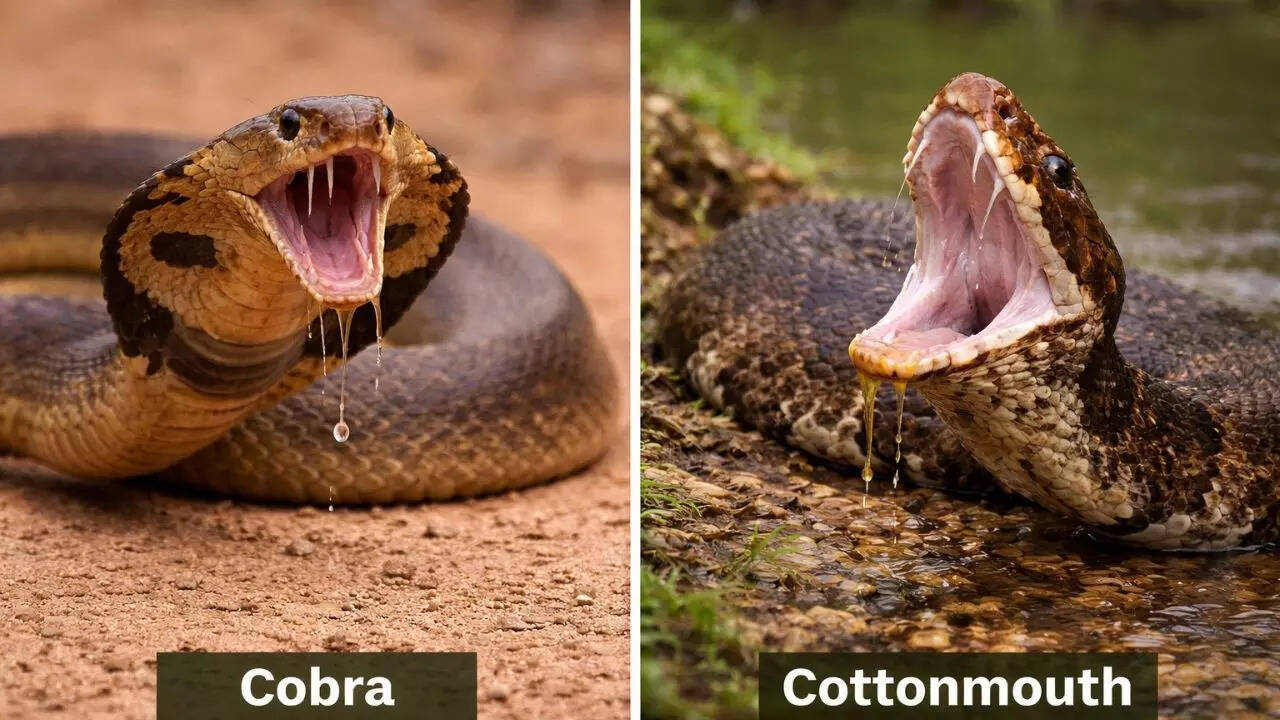
The main difference between these two species of snakes is the type of venom they produce.The type of venom produced by the cobra is neurotoxic, meaning it attacks the nervous system. A snake bite by a cobra is dangerous and can result in paralysis, breathing difficulties, and even death if not treated in time.The type of venom produced by the cottonmouth snake, on the other hand, is hemotoxic. The venom produced by this species of snake kills body tissues, causes pain, and can result in long-term damage.
Although this type of snake is extremely dangerous and causes pain, it is not as dangerous as the cobra.In comparison, the cobra’s venom is more dangerous because it can stop all body functions.
Behaviour and likelihood of attack of cobras and cottonmouth snakes
Also, danger is not just in how venomous a snake is, but also in how likely it is to bite.Cobras are generally non-confrontational snakes and only attack when they feel threatened. The display of their hoods is just a warning for humans to stay away from them.Cottonmouths, on the other hand, are generally more defensive in nature. They may stand their ground and display their mouths in warning and attack when they feel cornered. This makes them seem more aggressive, especially in places where humans and water habitats coexist.
Cobra vs Cottonmouth: Habitat and human encounters
PC: AI-Generated
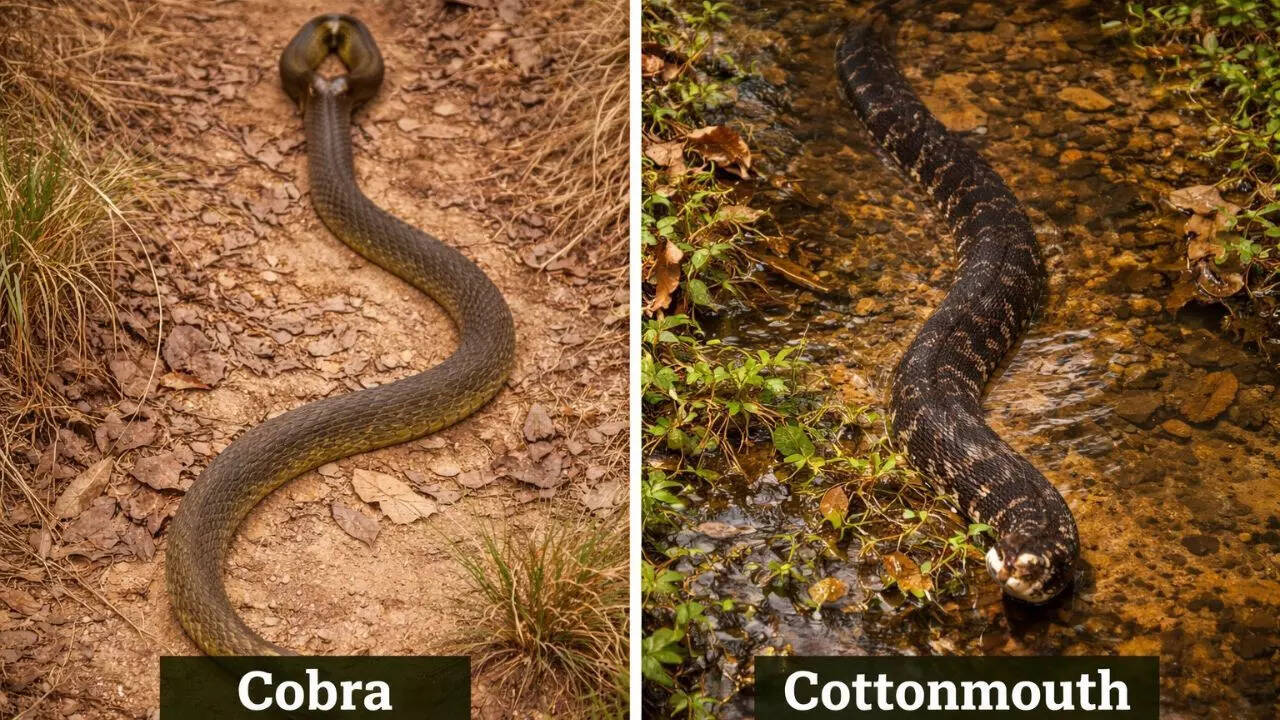
Cobras can be found in a variety of habitats, including forests, grasslands, and even some cities in Asia and Africa.Cottonmouths, on the other hand, are only found in North America and prefer water.
This makes it more likely for humans to encounter them during activities like fishing, hiking, or boating.Because of their habitats, it is more likely for humans to encounter cottonmouths, even though they are not as deadly.
Cobra vs Cottonmouth: Which snake is actually deadlier
In terms of overall danger, the cobra is the deadlier snake. This is because its neurotoxin can act rapidly and has a greater chance of leading to fatal consequences.This does not, however, make the cottonmouth harmless. Its bite can still cause harm and should be attended to as soon as possible.The lesson to be learned from this is that we should treat all these snakes with caution and respect. The deadliness of a snake is not just measured by the potency of its venom.









 English (US) ·