

 12 hours ago
4
12 hours ago
4
ARTICLE AD BOX

This has been a well-established fact: current food culture across the world has much to do with obesity becoming a more and more serious global concern. In fact, according to a landmark UNICEF report, for the first time in history, more children and teens around the world are facing obesity than struggling with being underweight.
As per the said UNICEF report, nearly 10% of those aged 5-19 —about 188 million — are now obese, compared to 9.2% who are underweight. This shift marks a dramatic reversal from 2000, when undernutrition dominated. The driving factors behind this massive flip? Our ever-increasing indulgence in ultra-processed foods (UPFs), aggressive ads, and food habits pushed by flashy screens and cheap delivery. Throw in a substantial amount of a sedentary lifestyle into the mix, and we have obesity as an inevitable consequence.It’s a global wake-up call. But turns out, obesity is not the only problem the current food system is creating — a new study signals that even climate change could be the byproduct of the same.In fact, a major new scientific review outlines the “link” between the rising obesity epidemic and the climate crisis, indicating that these two problems aren’t just happening side by side — they’re tangled up together, all thanks to the way we produce, sell, and eat our food.
Let’s break it down.
What does the study say
According to the review, led by a team of researchers from the University of Bristol, UK, and published in Frontiers in Science, far from being two separate problems, climate change and obesity share common drivers rooted in the way food is produced, marketed, and consumed around the world.
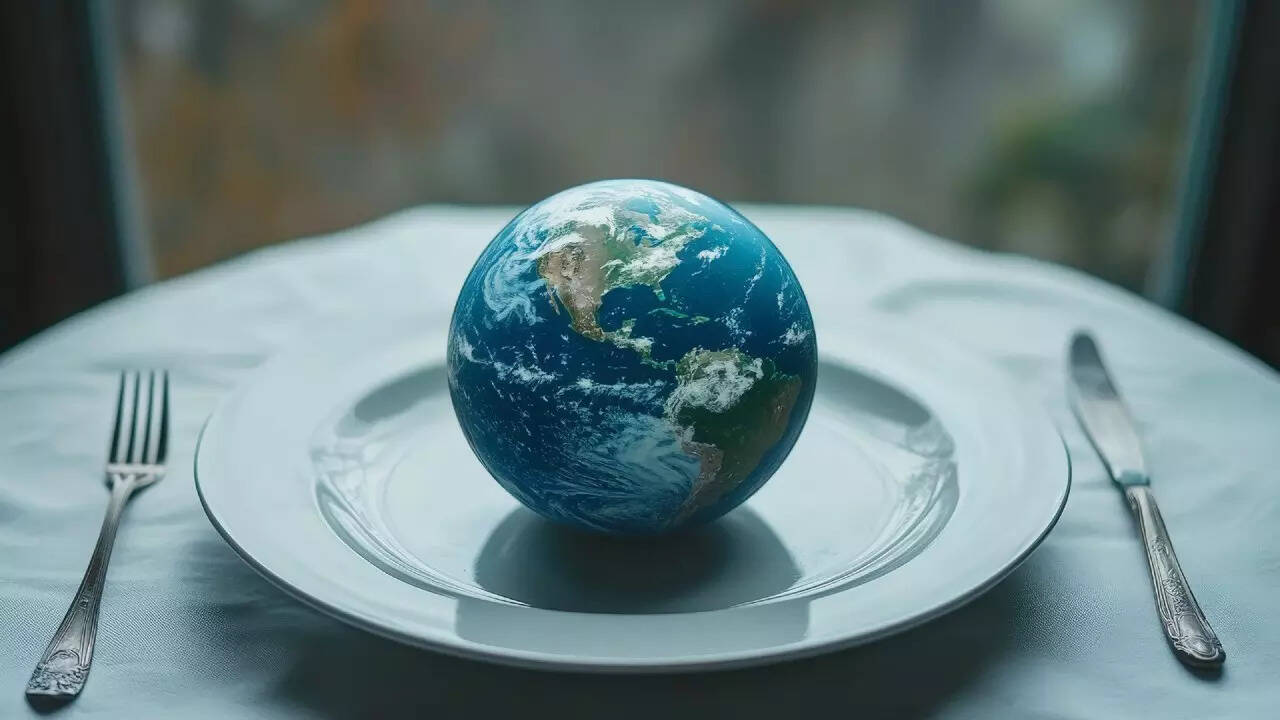
How?Today’s food system isn’t just about farming. It’s everything — growing the crops, raising animals, processing and packaging, shipping food around, marketing it, and finally, what ends up on our plates.
And this whole chain shapes both our health and the climate.The problem? Modern diets are packed with ultra-processed foods and loads of animal products, especially beef and dairy. These foods are cheap, everywhere, and tasty, but they drive up calorie intake and, with it, obesity. At the same time, they pump out an enormous amount of greenhouse gases, ramping up global warming and trashing ecosystems.
Numbers don’t lie
The numbers are hard to ignore. Over a third of the world’s population is now overweight or obese, and that number keeps climbing.
As for specifics, more than one billion people are obese, according to the World Health Organization. This number is expected to rise to 1.3 billion by 2030, even as the use of weight-loss drugs and bariatric surgery is reaching record levels.Meanwhile, food production is responsible for about an estimated 25–33% of of all greenhouse gas emissions on Earth.
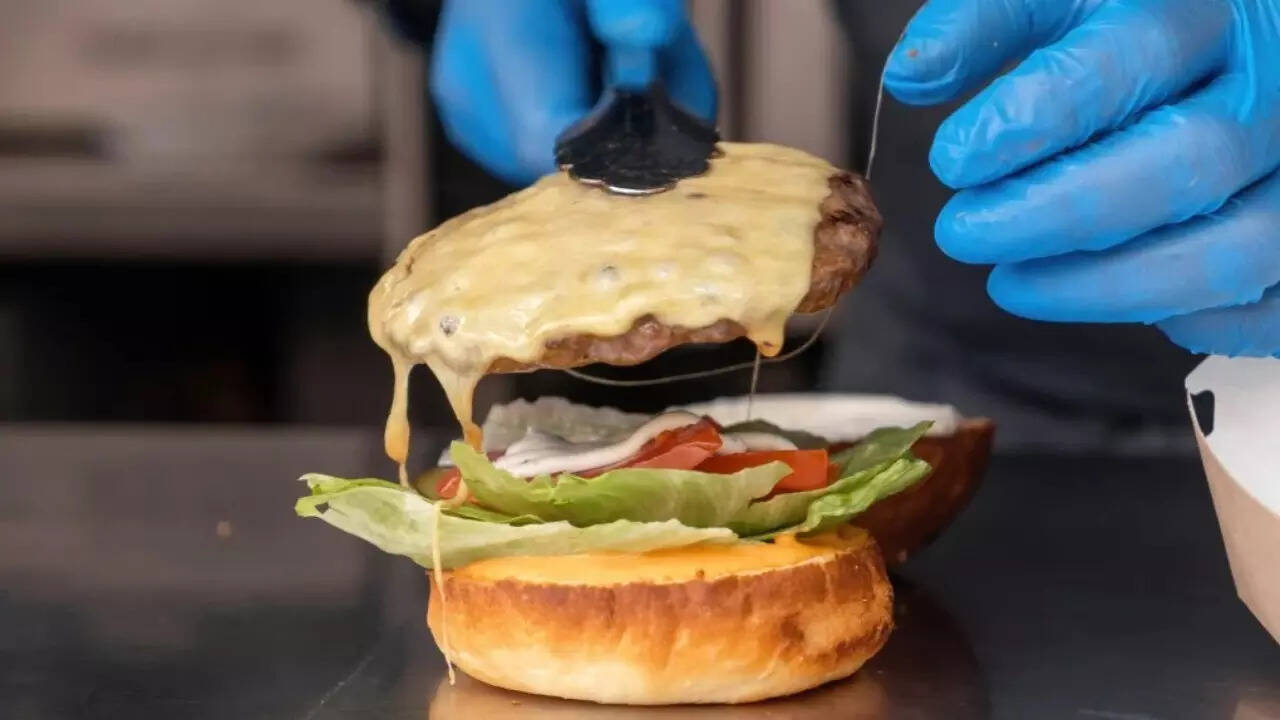
The hidden link between the food system and the climate crisis
So, how does this all connect? Ultra-processed foods make it easy to eat too much, and they’re loaded with stuff our bodies don’t really need.
The spread of these foods has pushed obesity rates higher everywhere. Animal agriculture, especially beef, is another big piece of the puzzle. Pound for pound, beef produces way more greenhouse gases than plant-based foods like beans or lentils. And farming animals and growing their feed takes up a huge amount of land and water, driving deforestation and wiping out habitats — which, in turn, makes it even harder for the planet to soak up all that carbon dioxide.But here’s the kicker: treating obesity with drugs or surgery — just the way many of us choose to Ozempicfy ourselves in order to manage the weight as a solution to obesity — doesn’t fix the food system. Think of it this way — only cutting fossil fuels isn’t enough if we keep eating the way we do.The review’s authors are blunt while issuing the alert — both obesity and climate change are symptoms of a food industry built for profit, not for health or sustainability.
The system pushes cheap, processed foods and industrial-scale meat, and that’s fueling both crises.And here’s the really tough truth: it only gets worse. Even if we quit fossil fuels today, the way we produce and eat food could still send global temperatures soaring past that crucial 2°C line — the very limit the Paris Agreement set to keep us out of real trouble.
What should you do?
So, what can you actually do? The study’s authors and other experts have a few clear ideas:Eat more plants. Filling your plate with vegetables, beans, nuts, and whole grains — and cutting back on meat and dairy — is good for you and the planet.Push for healthier food options. Governments, local leaders, regular people — everyone can pitch in by making good food easier to find and by calling out junk food with warning labels or taxes.
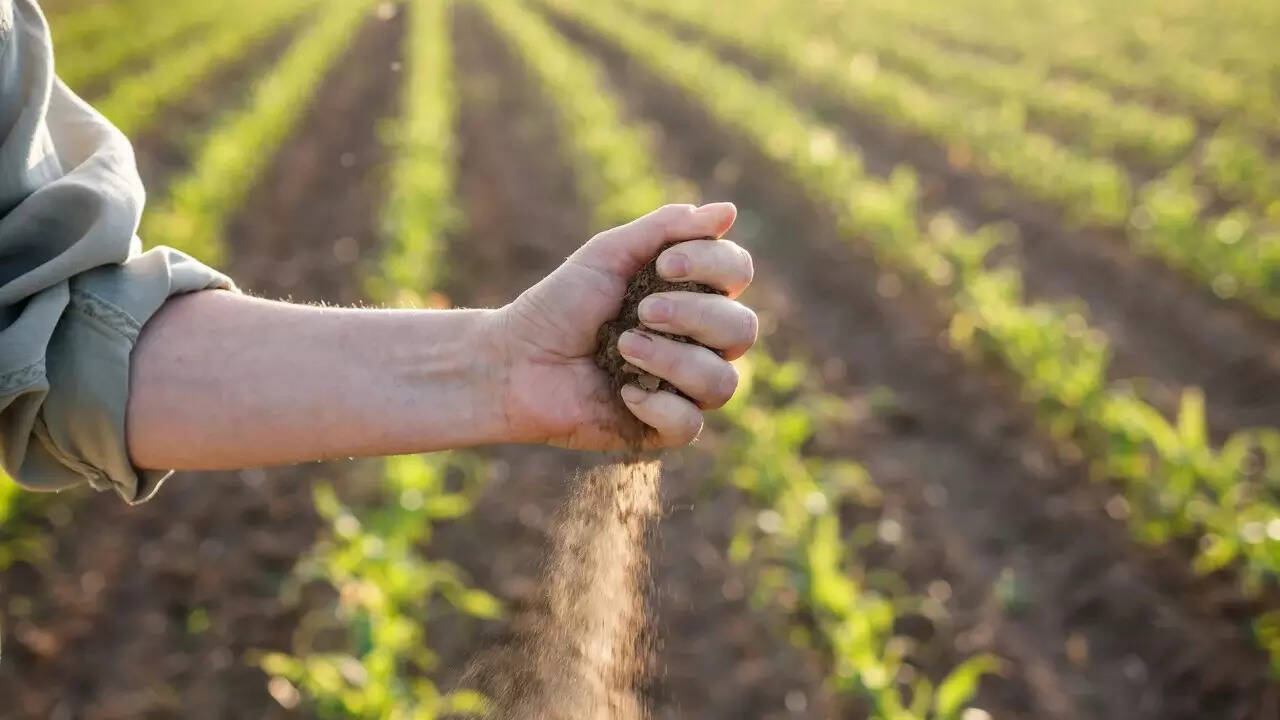
Fix how we farm. Improving how livestock are raised, using better feeds, and making animal farming more sustainable can cut emissions.Stop wasting food. The sheer amount of food ends up in the trash — it’s out of control. We throw away tons of perfectly good food, and when all that “extra waste” rots in landfills, it produces something worse — the greenhouse gases.At the end of the day, fixing our food system isn’t just about being mindful of what we put on our plate or eating our veggies — it’s about how we treat food as an entity on its own. It’s about taking on climate change and giving ourselves a shot at a healthier future.








 English (US) ·