

 1 hour ago
4
1 hour ago
4
ARTICLE AD BOX
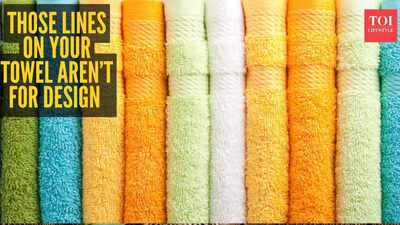
Those familiar lines on your bath towel, known as dobby borders, are more than just decorative. They are cleverly woven to reinforce the fabric, preventing stretching, fraying, and curling, thus extending the towel's lifespan. These borders also aid in neater folding and surprisingly, improve air circulation for faster drying, keeping your towel fresh and functional.
Ever noticed those neat little lines running across your bath towel and wondered if they’re just there to look pretty? You’re not alone. Almost everyone has paused mid–post-shower at least once, staring at their towel and thinking, Why does this even exist? The short answer: those lines aren’t random, and they’re doing a lot more work than you’d expect.Let’s break it down, without getting technical or boring.
First things first, those lines actually have a name
The lines you see on most towels are called dobby borders. Sounds fancy, but the idea behind them is pretty practical. They’re woven differently from the rest of the towel, which is what makes them stand out visually and feel slightly flatter or tighter than the fluffy part.And no, they’re not just there because towel designers got creative one day.
They help towels last longer
Towels go through a lot. Constant washing, rough drying, being twisted, pulled, and sometimes even used as makeshift hair turbans or beach mats.
The dobby border acts like a reinforcement zone.The body of a towel is made of looped fibres (that plush, absorbent part), which are great at soaking up water but can lose shape over time. The woven lines help keep the towel from stretching unevenly, curling at the edges, or turning into that sad, misshapen rectangle after a few washes.
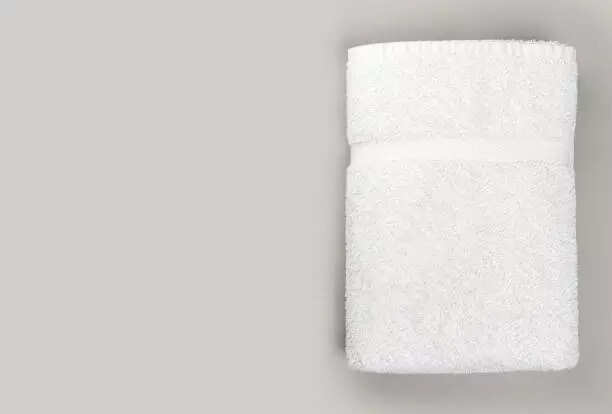
In simple terms, those lines help your towel age better.
They stop towels from fraying
If you’ve ever owned a towel without borders, you might’ve noticed loose threads showing up faster, especially around the edges.
The dobby border creates a clean, strong break in the fabric that prevents the loops from pulling out too easily.So when you’re aggressively drying your hair or rubbing your arms like you’re trying to erase winter dryness, the towel holds up instead of falling apart strand by strand.They make towels easier to fold (yes, really)This sounds silly until you realise it’s true. Those lines act as a natural guide when folding towels.
Hotels, especially, love this feature. It helps staff fold towels uniformly, stack them neatly, and keep cupboards looking organised.At home, you might not consciously follow the lines, but your hands instinctively do. That crisp fold? Thank the dobby border.They help with faster dryingHere’s something most people don’t know. The different weave in the lined area helps improve air circulation when the towel is hung to dry.
Because that section is flatter and less dense, it dries quicker than the thick looped fabric.This balance between thick and thin areas helps the towel dry more evenly, which means less damp smell and fewer bacteria hanging around. In humid climates (hello, Indian monsoons), this makes a noticeable difference.
They’re about absorbency, not decoration
A common myth is that the lined part of the towel is less absorbent and therefore useless. That’s only half true.
The border isn’t meant to absorb water like the rest of the towel. Its job is to support the structure so the rest of the towel can stay fluffy and absorbent for longer.If the entire towel was made of loops, it would stretch, warp, and wear out much faster. The lines keep everything balanced.
Why almost every towel has them
You’ll find these lines on budget towels and luxury ones alike. That’s because they’re not a premium feature; they’re a functional one.
Even high-end towels with minimal designs usually include some version of a dobby border, even if it’s subtle.
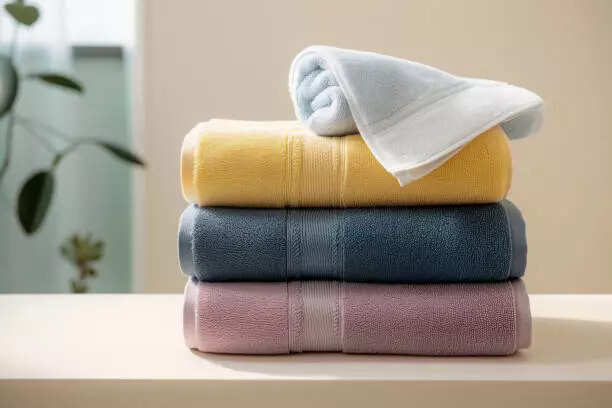
Designers sometimes play with the width or pattern of the lines, but the concept stays the same. It’s one of those “if it ain’t broke, don’t fix it” things in textile design.
What about beach towels and spa towels?
Beach towels often have wider borders or bolder patterns because they’re meant to be seen, spread out, and used outdoors. Spa towels, on the other hand, usually have cleaner, tighter lines for durability and easy laundering.Different look, same purpose.
So are the lines purely functional? Not entirely
While function comes first, the lines do add a visual break. They make towels look more polished and intentional instead of like a plain slab of fabric. That’s why even minimalist towels still include them. They frame the towel, giving it a finished look.Think of it like the hem on a kurta or the border on a sari. You could technically skip it, but everything looks better when it’s there.Those lines on your towel aren’t there by accident. They help towels last longer, dry better, fold neatly, resist damage, and stay comfortable over time. They’re one of those small design details you don’t notice until someone points them out, and then you can’t unsee them.So the next time you reach for a towel fresh from the clothesline, you’ll know, those lines are doing a quiet but important job, every single day.





 English (US) ·