

 1 hour ago
4
1 hour ago
4
ARTICLE AD BOX
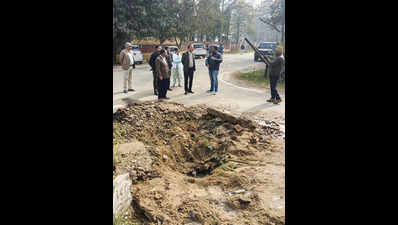
Patna faces a grave threat from unsecured manholes, with thousands of complaints lodged annually. Heavy traffic shortens cover lifespan, and a lengthy manufacturing process delays replacements. Theft of steel-laden covers is rampant, forcing residents to improvise warnings. Despite safety measures, a recent car sinking incident underscores the persistent dangers.
Patna: The recent tragedy in Greater Noida, where software engineer Yuvraj Mehta drowned in a water-filled construction pit, sent shockwaves across the country. This lapse in safety at a construction site highlights the dangers posed by unsecured pits and open manholes in rapidly developing cities like Patna too.Within the jurisdiction of the Patna Municipal Corporation (PMC), there are approximately 60,000 to 70,000 manholes, and the daily influx of 10 to 12 complaints via the official PMC chatbot regarding missing or broken covers highlight a persistent threat to commuters. The heavy traffic load on city roads further complicates the issue, as constant pressure reduces the standard manhole lifespan from five years to as little as two years.To combat this, the PMC utilises three specific designs, including catchpits and manholes that are precast and cured to ensure maximum structural strength. These covers are typically 4/4 feet, depending on the locality, with a thickness ranging from six to eight inches to withstand the specific load of traffic in that area.A senior PMC engineer said, “A significant bottleneck in the safety chain is the production timeline, as these manhole covers take 15 to 20 days to manufacture, which prevents immediate replacement when a lid is reported broken or stolen.”
While the PMC conducts surveys before the monsoon to identify risks, the three-month tender process often leaves a window where newly damaged manholes remain unaccounted for and exposed every year.The theft of circular manhole covers remains a critical challenge because each lid contains approximately 22 kgs of steel, making them prime targets for scrap thieves. In response, residents in various neighbourhoods frequently resort to placing bamboo sticks and large stones over these gaps to alert drivers.
The engineer added, “The municipal body should mandate reviews every four months to close these technical loopholes and ensure consistency and safety.
”Shweta Bhasker, spokesperson of Buidco, said, “For larger excavations where road or drainage work is ongoing, agencies are required to install grill meshes and danger signage and keep emergency kits for any unforeseen situation.” Urban safety protocols now include the use of reflective tapes to ensure visibility during night hours and dense fog, while civic bodies are tasked with briefing and penalising private agencies before work commences to ensure that the negligence seen in Greater Noida does not repeat on the streets of Patna.Despite these efforts, risks remain, as seen by a recent incident in the city where a car sank into a massive waterlogged crater near the Patna Junction in Sept last year.








 English (US) ·