

 1 hour ago
4
1 hour ago
4
ARTICLE AD BOX

At first glance, the name New Mexico can seem slightly puzzling. Many people assume it must have been named after the modern nation of Mexico, suggesting a connection that emerged after the two places shared a border.
The reality is older and far more tangled in the history of Spanish exploration across North America.The name has survived centuries of political change, territorial disputes and shifting borders. It remained in place through Spanish rule, Mexican control and eventually incorporation into the United States. By the time New Mexico entered the Union as the 47th state in 1912, its name was already deeply rooted in the region's identity and had been in use for hundreds of years.
Who lived in New Mexico before Europeans arrived
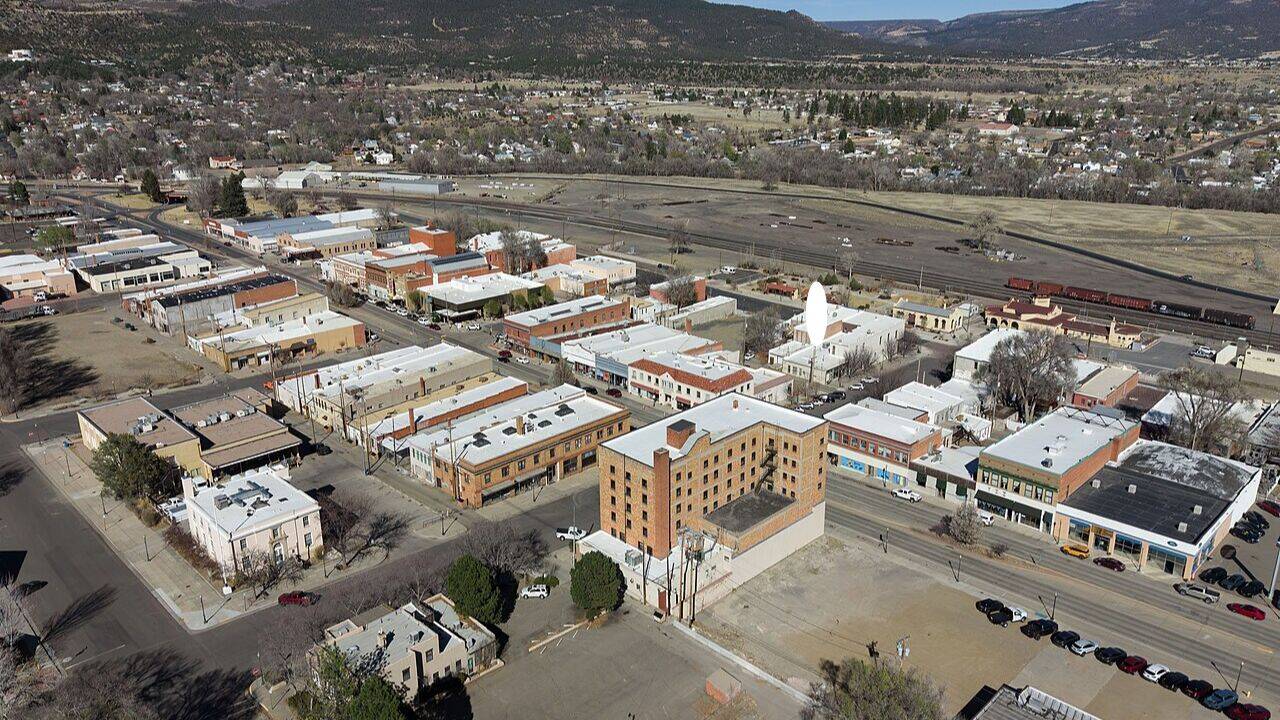
pc: wikipedia
Long before the arrival of Europeans, the region that would become New Mexico was home to Indigenous communities with long-established traditions, settlements and agricultural practices. Archaeological evidence suggests people had lived in the area for thousands of years.Among the best-known early inhabitants were Pueblo communities, who developed sophisticated farming methods and irrigation systems suited to the dry environment.
Later, groups including the Navajo and Apache moved into the region and established their own presence across the landscape. For centuries, these societies shaped the territory without any connection to the name that would eventually appear on European maps.
How Spanish exploration led to the name ‘New Mexico’
The story of New Mexico's name begins during Spain's expansion into the Americas. In the sixteenth century, reports reached Spanish authorities about wealthy settlements said to exist somewhere north of Mexico.
Tales of prosperous cities encouraged expeditions into lands that were still largely unknown to Europeans.According to WorldAtlas, Spanish explorers entered the region hoping to locate the legendary Seven Cities of Cíbola, which were believed to contain immense riches. Those searches failed to uncover the treasures explorers expected, but Spain's interest in the territory did not disappear.Over time, military expeditions, missionaries and colonial administrators established a more permanent presence in the area.
Why was New Mexico called Nuevo México
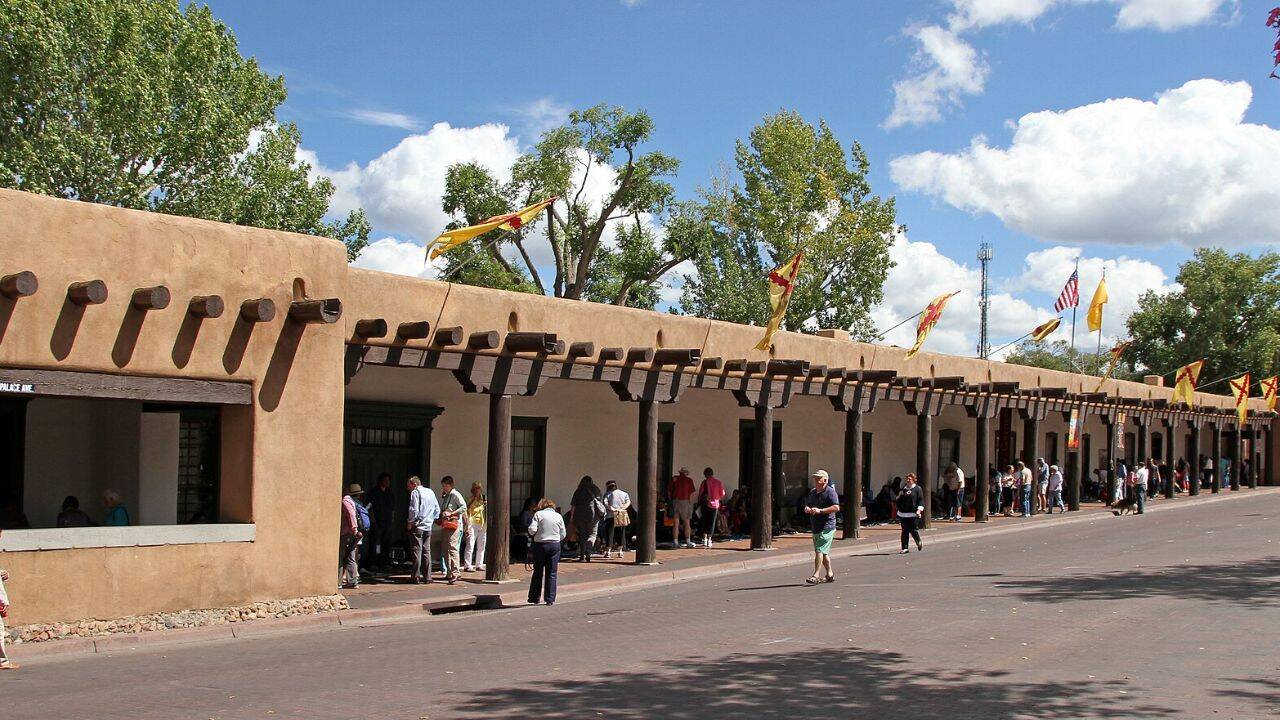
pc: wikipedia
The name itself emerged during Spain's colonial period. According to WorldAtlas, Spanish settlers referred to the territory as Nuevo México, meaning "New Mexico". The name was chosen because the region reminded Spanish authorities of lands associated with the Aztec world in central Mexico, particularly the valley linked to the Rio Grande region in Spanish geographical understanding at the time.This detail often surprises people because it reverses a common assumption.
New Mexico was not named after the modern independent country of Mexico. Instead, the name originated during the Spanish colonial era, long before Mexico became an independent nation.The territory officially became part of Spain's colonial administration in 1598 under the Viceroyalty of New Spain. Over the following decades, settlements expanded, and Santa Fe emerged as the colonial capital.
New Mexico's name is older than modern Mexico
One of the most interesting aspects of the story is the timeline.
Mexico achieved independence from Spain in 1821 and adopted the national identity recognised today. Yet the name New Mexico had already been in use for more than two centuries by that point.WorldAtlas notes that New Mexico's name predates the naming of independent Mexico by approximately 223 years. In other words, when Mexico emerged as a sovereign country, New Mexico was already a well-established geographical and political entity.
That chronology helps explain why the state's name remained unchanged despite later political transitions.
Why New Mexico kept its name through centuries of political change
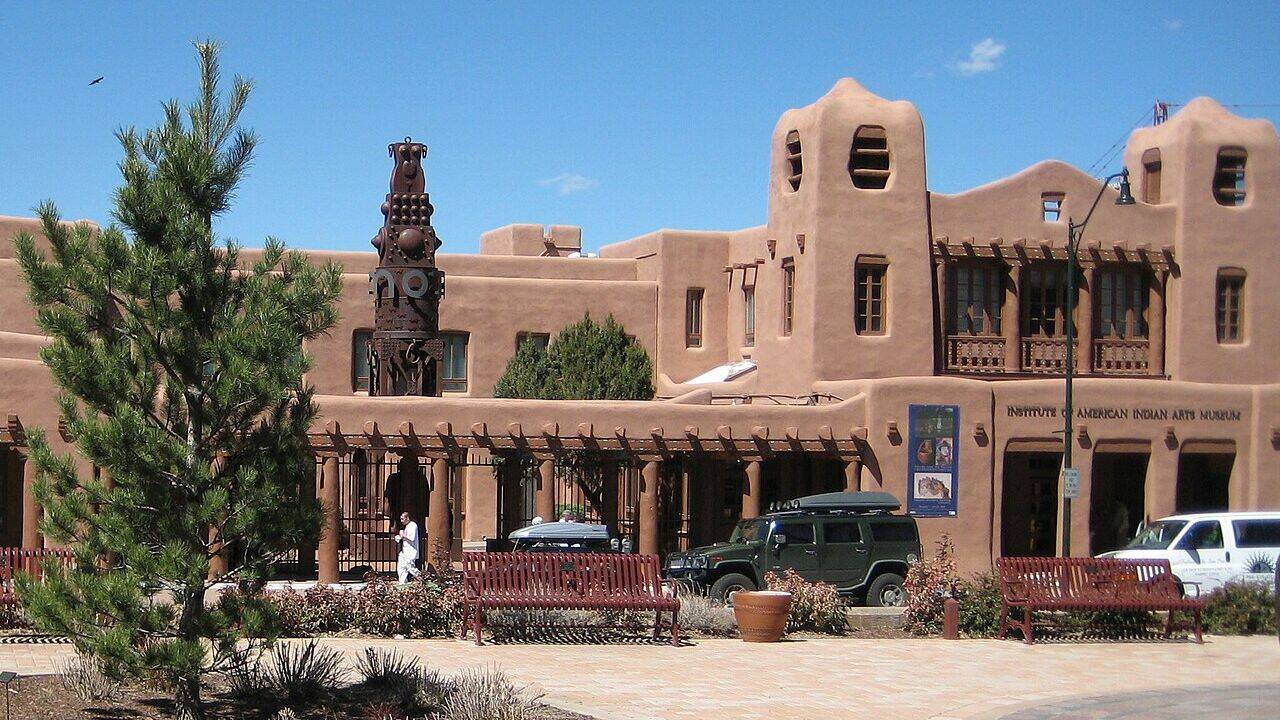
Control of the region changed several times, but the name endured. Following Spain's withdrawal from the Americas, New Mexico became part of Mexico. Relations between residents and Mexican authorities were not always straightforward, and tensions occasionally surfaced. Despite political disputes, the long-established name continued to be used.Later, after territorial changes involving the United States during the nineteenth century, New Mexico became an American territory and eventually achieved statehood in 1912.The transition from Spanish colony to Mexican province and finally to US state altered the region's government, but not its name. That continuity is unusual in North American history, where place names were often replaced as new powers arrived.
What New Mexico's name reveals about its history
Today, New Mexico's name serves as a reminder of a much older chapter of North American history. It reflects the period when Spanish explorers and settlers were mapping vast territories beyond the limits of their existing colonies.The name survived empire, independence movements, border changes and statehood. Far from being derived from the modern nation next door, it belongs to an earlier era altogether. Its origins reach back to the late sixteenth century, making it one of the oldest place names still in official use in the United States.









 English (US) ·