

 1 hour ago
7
1 hour ago
7
ARTICLE AD BOX
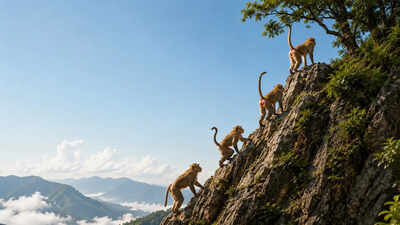
(AI image used for representational purposes only)
“The higher the monkey climbs, the more he shows his tail”The proverb uses a simple image from nature to describe a complicated human behaviour. A monkey climbing higher up a tree may appear to be gaining height and visibility, but as it rises, the one thing it cannot hide — its tail — becomes easier to see.
The saying uses this image to suggest that when people gain power, status or attention, their true qualities become more visible.The proverb comes from Turkish folk wisdom, where many sayings use animals, everyday scenes and observations from nature to comment on human behaviour. Rather than directly warning against arrogance, this proverb uses humour and imagery to make a point: moving upward in life does not always change who a person is; sometimes it only gives others a clearer view of them.The “monkey” in the proverb represents a person seeking higher positions, recognition or influence, while the “tail” represents the traits they may try to hide like arrogance, insecurity, selfishness or a lack of humility. The higher the monkey climbs, the harder it becomes to conceal what was always there.The saying does not suggest that ambition or success are wrong. Instead, it points to what can happen after success arrives.
A person who gains authority may suddenly have more freedom to act, more people watching them and more opportunities to reveal their personality. Qualities that were less noticeable before can become clearer when they are placed in a position of importance.For example, a person who becomes a manager or leader may begin to show how they treat others when they have more control. Someone who was supportive as a colleague may become dismissive after gaining authority, while someone who remains respectful and fair shows that their success has not changed their values.The proverb also applies beyond professional life. A person who becomes wealthy, famous or socially influential may attract more attention, and with that attention, their behaviour and certain characteristics that were always there becomes more visible. Small signs of arrogance that were once overlooked can become obvious when someone’s position gives them a larger platform.The saying also reflects a common human tendency: people often reveal themselves more clearly when circumstances change.
A person under pressure may show their patience or anger. A person given power may show whether they value responsibility or control. Success, like failure, can become a moment that reveals character.The philosophy behind the proverb is closely connected to humility. In many cultures, humility is seen as a quality that helps people handle success without losing perspective. The proverb suggests that climbing higher does not automatically make someone greater; it only places them in a position where others can see them more clearly.However, the saying is not only a warning for those who gain status. It also serves as a reminder for those watching others rise. People are often impressed by titles, wealth or popularity, but the proverb suggests looking beyond appearances. A person’s position may change, but it’s their actions that reveal who they truly are.In modern life, where social media and public platforms can quickly increase someone’s visibility, the message feels especially relevant.
People can build carefully created images of success, but greater attention often brings greater scrutiny. The more visible a person becomes, the more difficult it is to hide their true behaviour.The reason this proverb continues to endure is because across generations, people have seen how success can either bring out generosity and responsibility or expose pride and arrogance. The circumstances may change, but the question remains the same: what does a person reveal when they finally reach a higher place?The wisdom of the saying lies in its simple image: climbing higher may bring someone closer to success, but it also makes the things they try to hide easier to see.









 English (US) ·