

 1 hour ago
6
1 hour ago
6
ARTICLE AD BOX
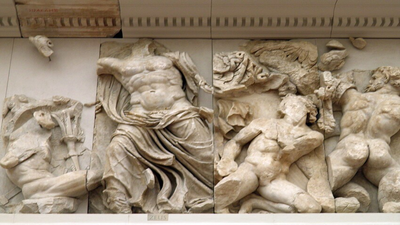
Pergamon Altar's grand friezes showcase ancient Greek myths. Image Credit: Wikimedia Commons
In 1878, Carl Humann, a German engineer working in western Turkey, noticed something odd about the walls that lined the hillsides of the ancient city of Pergamon. Local builders had reused carved marble blocks as basic masonry for ordinary structures.
Instead of a single intact monument, Humann found the Pergamon Altar broken, moved and reused across the landscape. This discovery launched a lengthy process of piecing fragments together that became a landmark in classical archaeology.Formal excavations began the following year, 1879. The remains of the monument slowly revealed themselves as workers sifted through the layers of architectural debris, sculpture fragments and dirt littering the site, according to a University of Chicago account. The hillside became a layered, complex record, with fragments of a Hellenistic masterpiece present in plain sight.The value of reused stonesFor centuries, later builders used the altar’s carved blocks as ready-made masonry. But a practical habit for ancient locals became a crucial clue for modern researchers. When archaeologists realised high-quality carvings were embedded in ordinary secondary structures, the hillside became a field of clues for reconstruction.Each piece that had been set in a terrace wall or buried in loose soil pointed back to a huge architectural program that no longer existed. Such a pattern of redeposition was found extensively throughout the acropolis. For example, a catalogue entry from Cornell University notes that a beautifully carved female marble head was found buried deep inside a cistern southeast of the Great Altar in 1879.
This head was not part of the altar, but its discovery in a common water storage system is evidence of how widely the classical ruins were scattered over the centuries.
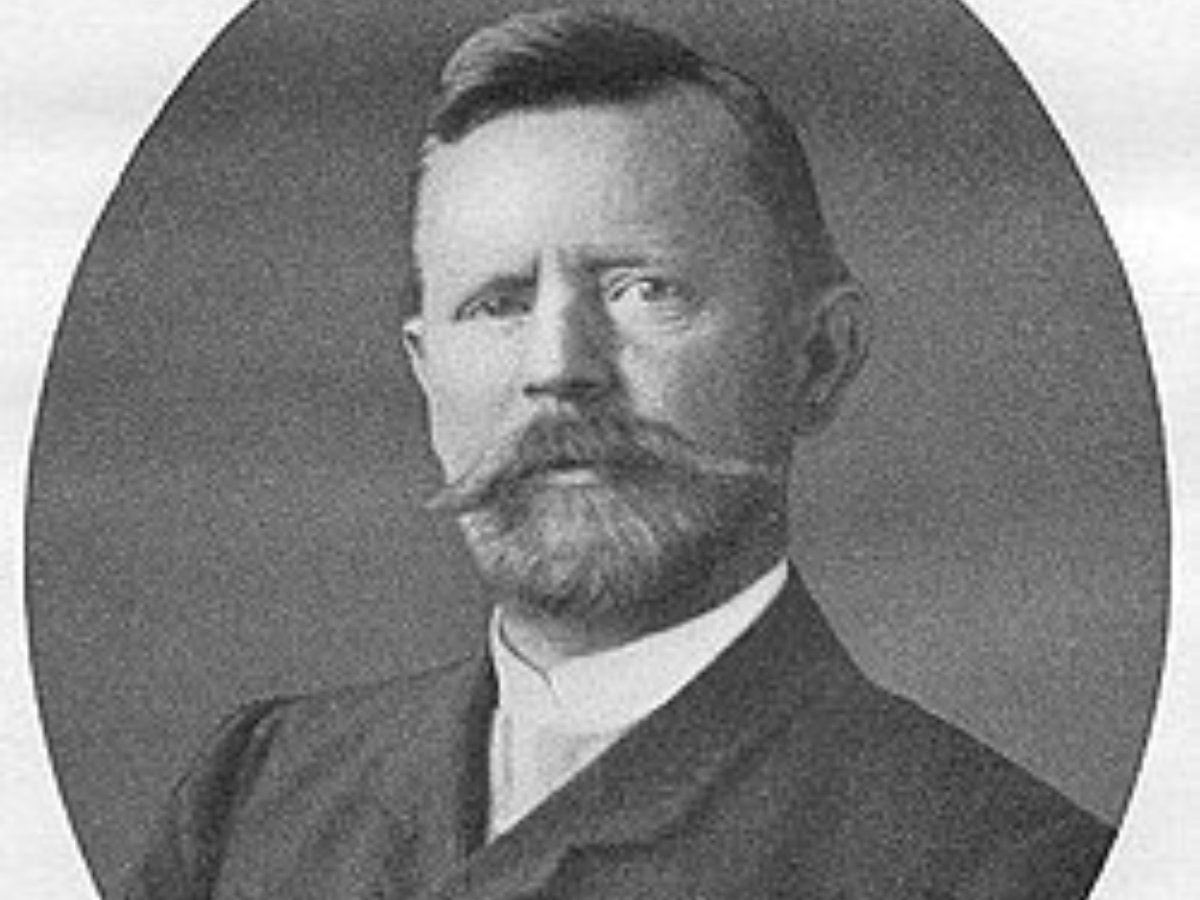
Carl Humann ( 4 January 1839 – 12 April 1896) was a German engineer, architect and archaeologist. He found and excavated the Pergamon Altar. Image Credit: Wikipedia
From west Turkey to BerlinBut once the true value of these stray stones was recognised, the fate of the altar became entangled in nineteenth-century diplomatic and antiquities agreements. This agreement moved many of the finds from the Turkish site to Berlin, where they became central to the altar's modern history.The altar became famous for the painstaking reconstruction carried out in Berlin from thousands of fragments. In situ, the stones became part of a forgotten, ruined landscape. When they reached Germany, experts painstakingly sorted, cleaned and reassembled the fragments into a coherent structure. The process turned the broken marble from neglected archaeological debris into a legible monument of art history that museum-goers could finally appreciate.A lesson in patience, modern styleThe Pergamon Altar’s survival offers one example of how cultural heritage can be reconstructed from fragments. It demonstrates that great ancient monuments can disappear entirely as standing buildings, but can leave a trace sufficient to bring them back to life. Real archaeology is a slow, methodical process. It is a slow, methodical process of matching clues across time and across space.Today the Great Altar has a double identity. Its origin is ancient, but its mode of presentation to the public is largely modern. The masterpiece we see today cannot be separated from the engineering efforts and sustained archaeological work that saved it from the hillside. Treating recycled stones and buried fragments as critical historical evidence, researchers were able to reconstruct a lost world.








 English (US) ·