

 1 hour ago
5
1 hour ago
5
ARTICLE AD BOX
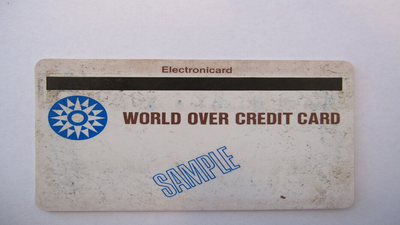
Front side of the first Magnetic Stripe plastic credit card. Image Credit: Wikimedia Commons
However, an engineer working in 1960 was stuck with a relatively easy problem. Forrest Parry was dealing with a magnetic tape full of information and a plastic card. He simply could not find any adhesive that would help him fix the tape on the plastic card.
Each attempt to do so failed, with the tape peeling off easily from the card.The solution came from home. After explaining the problem to his wife Dorothea, she suggested using a household iron to melt and bond the tape to the card. This approach worked brilliantly, allowing for a direct embedding of the magnetic tape into the card.A tiny flaw with huge consequencesParry’s problem was not theoretical; it was a practical materials issue.
The stripe had to resist peeling, tearing, and breaking at any point; otherwise the card-based payment system would be impractical.However, this small flaw was more than just a design issue. As it turned out later on, A retrospective article available on PubMed notes that magnetic stripes were among the first practical methods for storing transaction data directly on plastic cards. Parry’s manufacturing fix removed a key barrier and helped make the plastic transaction card commercially practical.
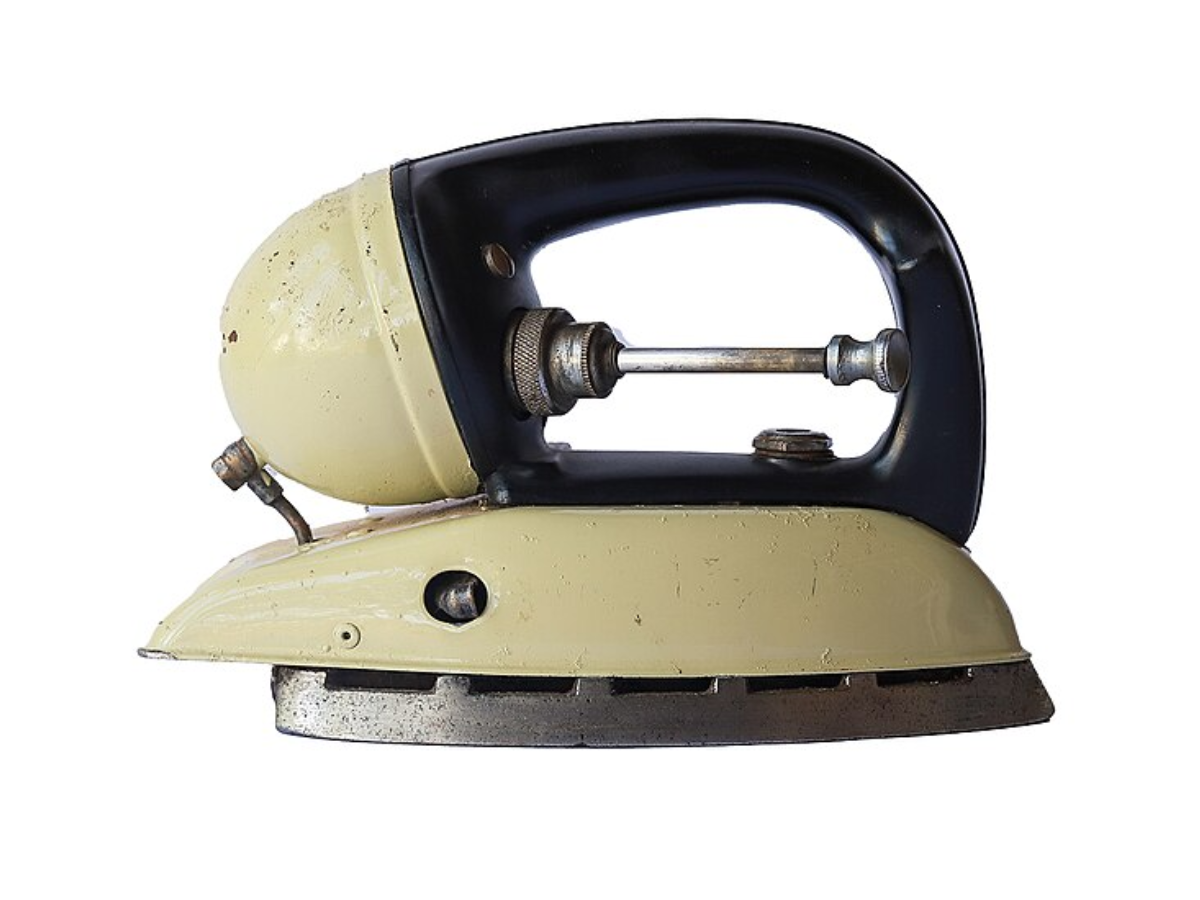
Paraffin pressure domestic iron produced probably between the 1920s and 1950s. Image Credit: Wikimedia Commons
From prototype to high streetOnce the household iron solved the manufacturing problem, the innovation became scalable. Such a solution enabled banks to replace paper carbon-copying with a process that took only a few seconds at digital terminals. In turn, this provided quick service for customers at the point of sale.However, widespread adoption later introduced security problems. According to a subsequent article published in Springer Nature, although there have been improvements in terms of payment-card security through the invention of smart cards and chips, criminals have only adapted (2022).
Thus, although EMV chip technology has made many types of in-person counterfeit fraud far more difficult than magnetic-stripe-only cards did, it has also spurred new criminal approaches, specifically card-not-present schemes.The very same characteristic that gave Parry's invention its edge- the ease with which readable data could be stored and transferred- also made it susceptible to duplication and forgery over the following decades.The enduring legacy of a mundane objectThe tale of the magnetic stripe shows how much could be built from an everyday moment of creativity. Not only did the household iron secure the tape, but it also helped set a standard that shaped international business for decades.Although chip-and-PIN technology and contactless mobile payments have largely replaced Parry's invention because of security concerns, the magnetic stripe remains a backup system on cards around the globe.









 English (US) ·