

 1 hour ago
6
1 hour ago
6
ARTICLE AD BOX
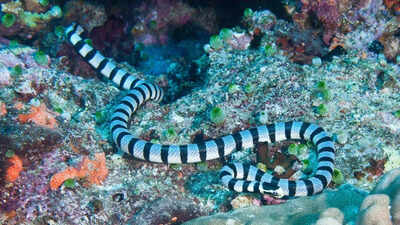
The ocean is home to some incredible, breathtaking wildlife, but beneath the waves hides a completely different level of primal fear: sea snakes. Fully adapted to marine life with paddle-like tails and the ability to breathe through their skin, these specialized reptiles hold some of the most concentrated, fast-acting venom on the planet.
While they are generally shy, a few specific species stand out as the absolute scariest creatures you could ever cross paths with while diving or fishing.
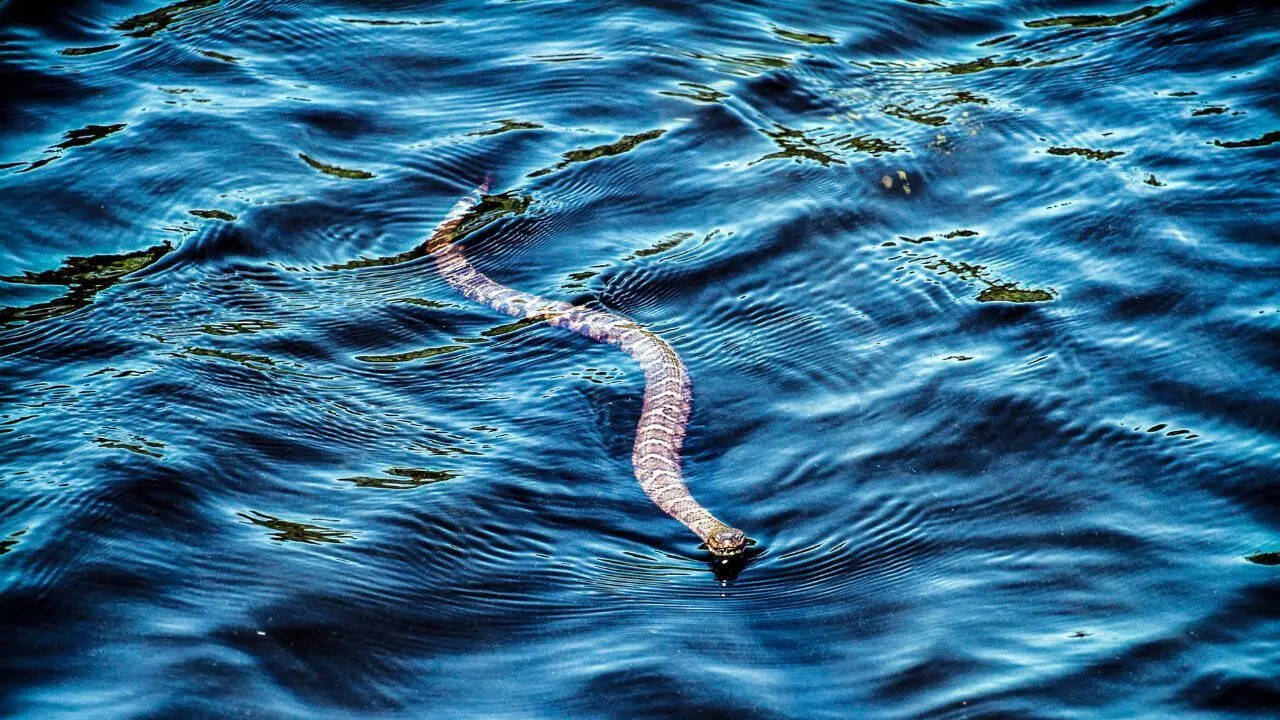
The Beaked Sea Snake (Enhydrina schistosa)If we are talking about actual danger to humans, this is the undisputed king of terrors. The Beaked Sea Snake isn't just highly venomous; it has a notoriously bad temper and lives in muddy coastal areas, estuaries, and river mouths where people frequently swim and fish.What makes them truly terrifying is their track record.
They are responsible for roughly 90% of all recorded sea snake bite fatalities worldwide. Their downward-curving, beak-like jaw can open wide, and just a few drops of their neurotoxic venom can completely paralyze a human's breathing muscles within hours.
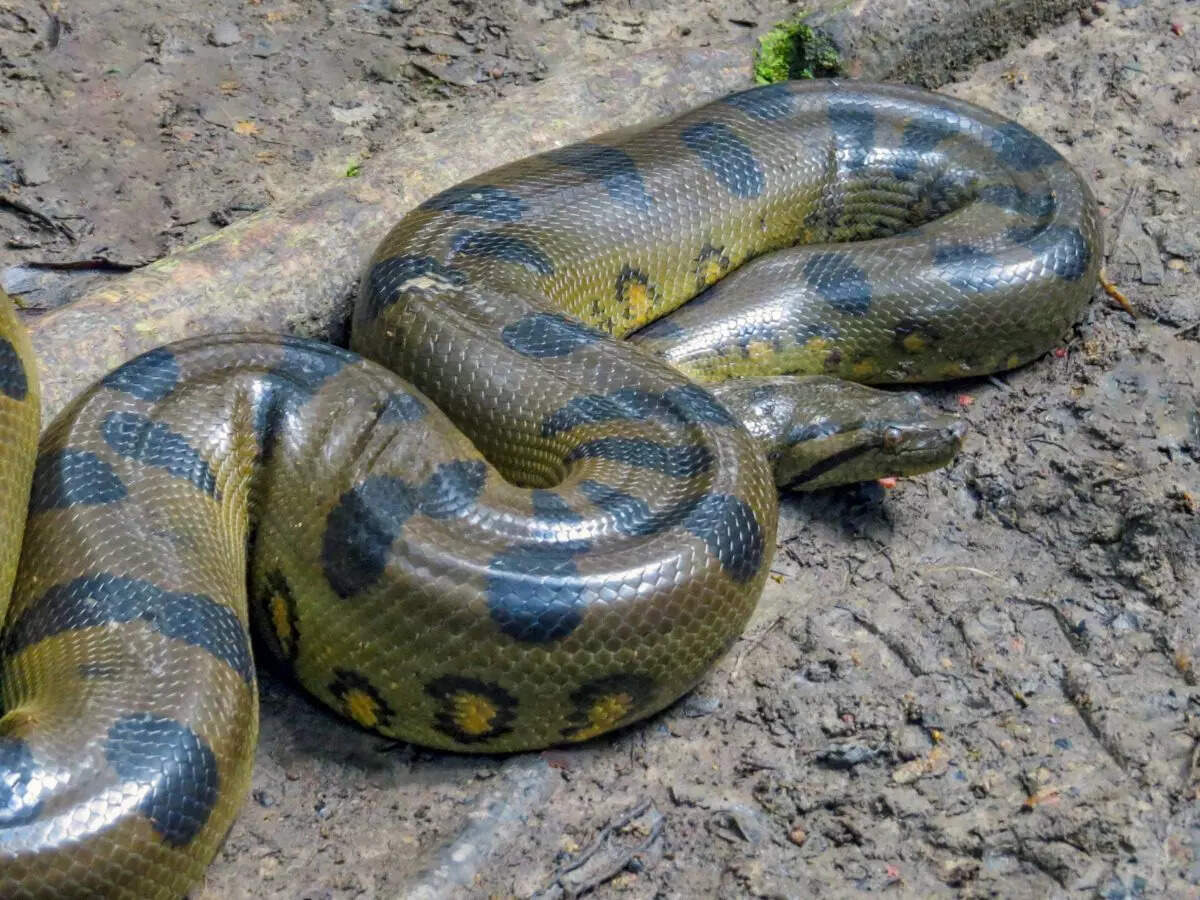
The largest snakes in the world, such as the reticulated python and the green anaconda, are not venomous. These snakes rely on their immense size and strength to subdue their prey. They are constrictors, meaning they wrap around their prey and squeeze until it suffocates. While their size can be intimidating, they do not possess venom to immobilize or kill their prey. Instead, their powerful muscles do the job. Venomous snakes, like cobras and vipers, tend to be smaller and use their venom to quickly incapacitate their prey. So, while the largest snakes are formidable, they are not venomous.Image: Canva
Dubois' Reef Sea Snake (Aipysurus duboisii)While the Beaked Sea Snake is the most aggressive, the Dubois' Reef Sea Snake holds the crown for pure, unfiltered toxicity.
This snake lives among the coral reefs of northern Australia and New Guinea, blending in seamlessly with its pale, tan, net-like camouflage. Scientifically speaking, it is the most venomous sea snake in the world and ranks in the top three of all snakes globally. Its venom is nearly 100 times more toxic than many land cobras.
It is a quiet, reclusive creature, but knowing that a single defensive nip contains enough power to shut down your nervous system is enough to keep any diver alert.
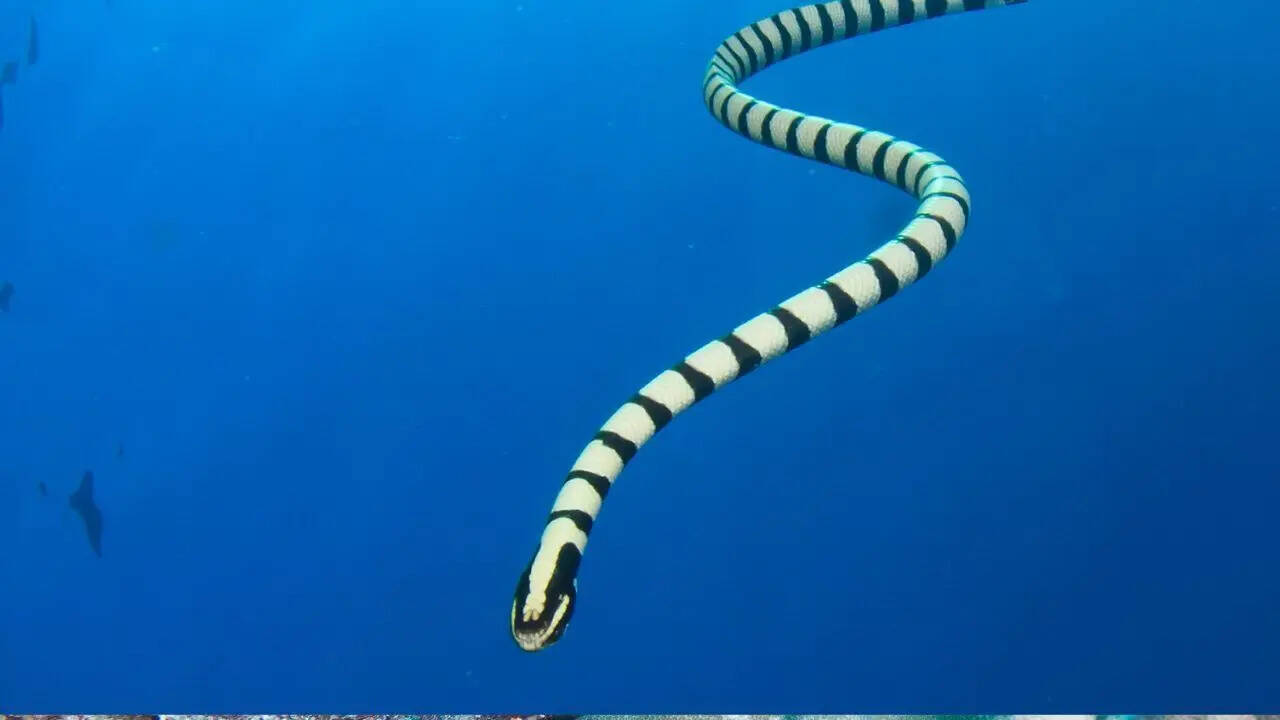
Stokes' Sea Snake (Astrotia stokesii)Most sea snakes are relatively slender and have small mouths, which comforts people into thinking they "can't bite through a wetsuit." Stokes' Sea Snake completely shatters that illusion. This absolute tank of a snake can grow up to five feet long, gets incredibly thick, and boasts some of the longest fangs of any marine reptile. Found lurking in the tropical waters of the Indo-Pacific and northern Australia, they are uniquely intimidating because of their unpredictable behavior.
Divers have reported Stokes' sea snakes actively swimming up to them in unprovoked, aggressive charges, especially during their mating seasons. Their sheer size means they can inject a massive volume of venom in a single bite.The Yellow-Bellied Sea SnakeThe yellow-bellied sea snake spends its life floating on the surface of the ocean. It never has to go to land or a reef. The yellow-bellied sea snake has a cool look. Its back is black. Its belly is yellow. This makes it easy to recognize. The yellow-bellied sea snake is usually not aggressive, but what is scary is that there are so many of them. Sometimes the ocean currents push a lot of these snakes together. They form groups that float on the surface of the water.
This can be very dangerous for people who are stuck at sea. The Yellow-Bellied Sea Snake is very venomous. It is like a field of dangers on the water.









 English (US) ·