

 1 hour ago
4
1 hour ago
4
ARTICLE AD BOX

Thalassemia is a hereditary blood disorder marked by impaired hemoglobin production, often resulting in chronic anemia, fatigue, and repeated medical interventions. While modern medicine offers supportive treatments such as blood transfusions, many patients continue to experience fluctuating hemoglobin levels and reduced quality of life.
In recent years, interest has grown in integrative approaches that combine conventional care with traditional wellness systems such as Ayurveda and yoga.
A 56-year-old male from Jayarabad village in Uttar Pradesh had been living with thalassemia-related anemia for more than 15 years. The condition was identified around 2008–2009, when routine testing revealed persistently low hemoglobin levels. Over the years, hemoglobin frequently dropped to critically low values, sometimes as low as 4–5 g/dL.
Despite receiving extensive allopathic treatment, including multiple blood transfusions, sustained stabilization was not achieved.
The anemia repeatedly returned, and overall health remained compromised. Seeking an alternative path alongside conventional care, the patient later enrolled in an integrative wellness program at Patanjali Wellness. The treatment period spanned from 27 March 2024 to 3 April 2024.
The program emphasized traditional Ayurvedic principles combined with structured yoga therapy, focusing on improving systemic balance, circulation, and physiological resilience.

The therapeutic regimen included cleansing practices such as warm water bathing and mud therapy bathing, aimed at supporting detoxification and relaxation. Breathing techniques formed a central component of daily practice, including Anulom Vilom, Kapalbhati, Bhramari, and external breathing exercises.
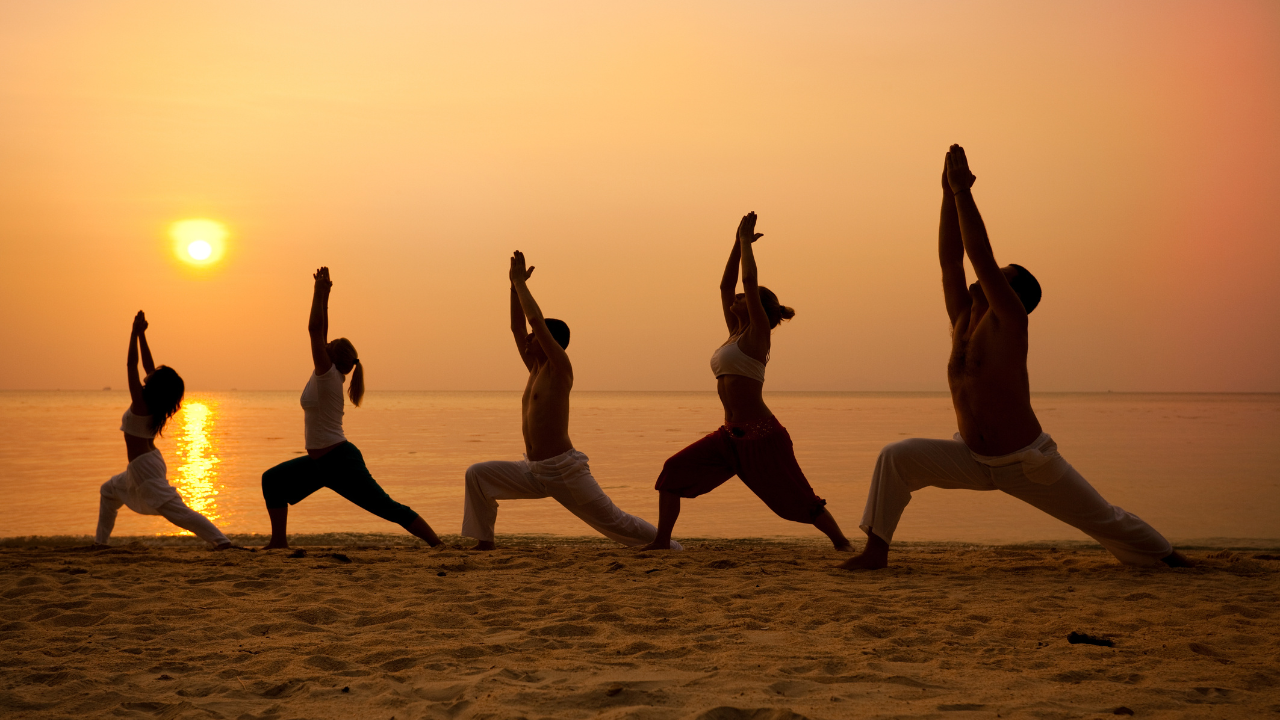
These pranayama techniques are traditionally associated with improved oxygen utilization, autonomic balance, and metabolic regulation. In addition, a comprehensive set of yogasanas and physical exercises was incorporated. These included Bhujangasana, Paschimottanasana, Shavasana, neck exercises, Pawanmuktasana, Shalabhasana, Surya Namaskar, Tadasana, knee exercises, Vakrasana, Ardha Matsyendrasana, Gomukhasana, Mandukasana, Yog Mudra, Chakkichalan, Dhanurasana, Naukasana, Uttanpadasana, and yogic jogging.
Together, these practices aimed to stimulate muscular activity, enhance circulation, reduce stiffness, and support overall vitality without excessive strain. According to clinical observations recorded during and after the wellness program, the patient experienced notable improvement in general health and stability. Symptoms that had persisted for years showed significant reduction, and hemoglobin levels demonstrated improved consistency compared with prior fluctuations.
The long-standing condition, while genetic in origin, became more manageable through sustained lifestyle modification and guided therapeutic practices. This outcome highlights the potential supportive role of integrative Ayurveda and yoga therapy in chronic hematological conditions. While such approaches do not claim to cure genetic disorders like thalassemia, they may contribute to better physiological regulation, reduced symptom burden, and enhanced quality of life when used alongside standard medical supervision. Experts emphasize that integrative therapies should complement, not replace, conventional medical care. Regular monitoring, appropriate diagnostics, and physician oversight remain essential. Larger clinical studies are needed to systematically evaluate the impact of structured yoga and Ayurvedic interventions on hemoglobin stability and long-term outcomes in thalassemia patients. Nevertheless, this experience reflects a growing recognition that personalized, holistic care models may offer meaningful benefits for individuals managing chronic conditions. Combining modern medicine with time-tested wellness practices may help patients achieve improved balance, resilience, and day-to-day well-being.All testimonials are provided by Patanjali









 English (US) ·