

 1 hour ago
3
1 hour ago
3
ARTICLE AD BOX
Last Updated:January 15, 2026, 12:24 IST
In terms of strength, fish leather often surprises first time users. Its criss-cross collagen structure makes it highly tear resistant, stronger than cow leather of same thickness.

Traditional animal leather depends on fresh hides from the meat industry, while fish leather uses material that would otherwise be discarded. Image: AI
At a time when sustainability is no longer a buzzword but a business necessity, researchers at the College of Fisheries in Mangaluru, Karnataka have come up with an innovation that could quietly disrupt the leather industry. They have developed a way to turn discarded fish skin into high quality, chrome free leather, transforming what was once waste into a valuable, eco-friendly product.
The project is led by Dr B Manjanaik from the Department of Fish Processing Technology, who saw potential where most saw garbage. Every day, tonnes of fish skin are thrown away by seafood processing units.
Instead of letting this collagen rich material rot in landfills, the team experimented with turning it into leather using a tanning process that avoids chrome, the chemical most commonly used in conventional leather production and one of the biggest polluters in the industry.
Turning science into a cleaner solution
“Sustainable utilisation of fish skin waste for producing chrome free leather is an eco-friendly alternative to traditional leather making methods that depend heavily on harmful chemicals. It not only reduces environmental damage but also adds value to a material that would otherwise go to waste," Dr Manjanaik says.
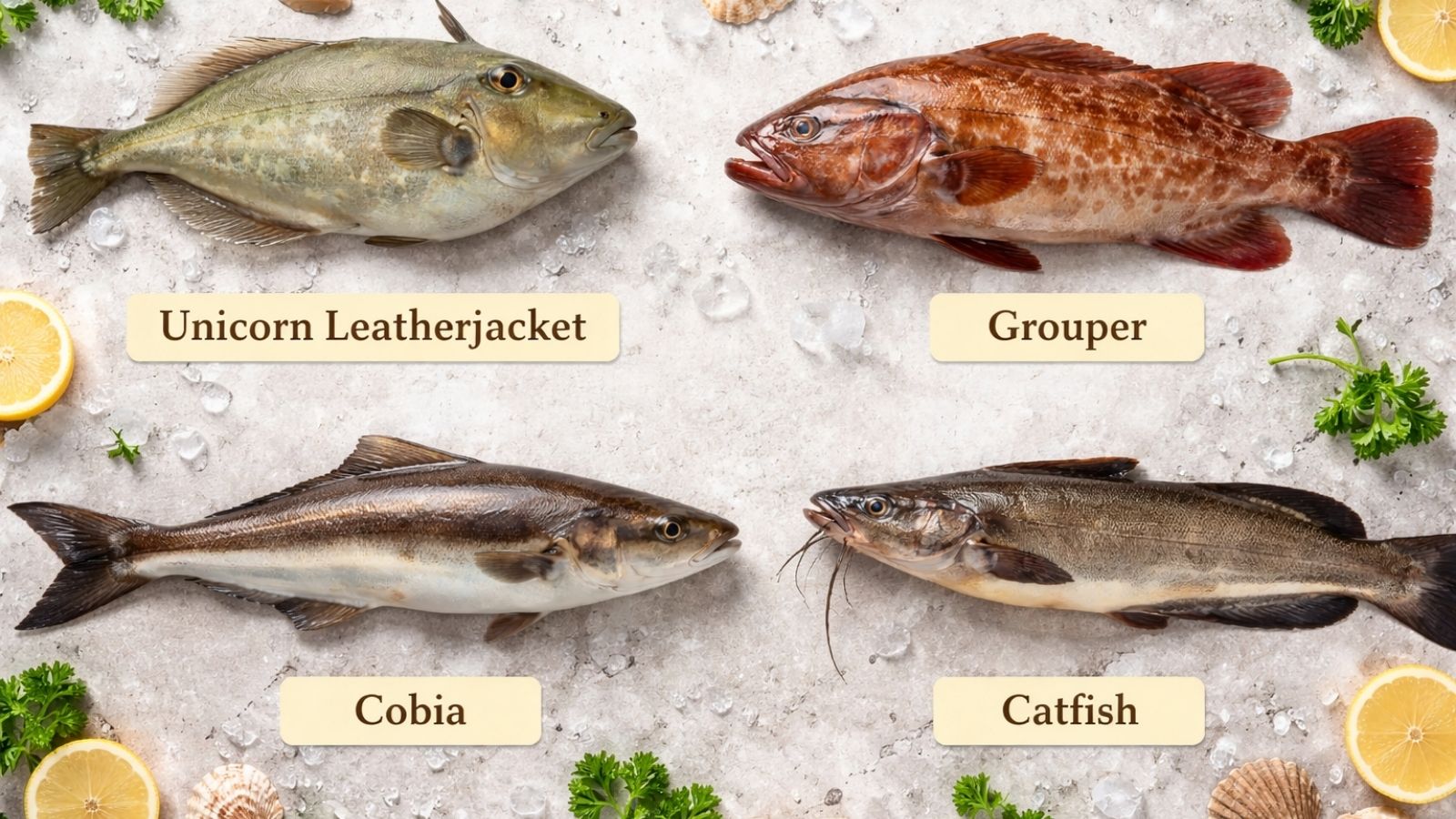
Fish skin, especially from species like the unicorn leatherjacket, grouper, cobia and catfish, contains dense type I collagen. This gives it surprising strength and flexibility once treated properly.
Unlike traditional tanning methods that release toxic effluents into water bodies and expose workers to health risks, the Mangaluru team’s chrome free technique relies on safer alternatives, sharply reducing pollution while also cutting water usage.
The result is a new kind of leather that fits perfectly into the idea of a circular economy, where waste from one industry becomes raw material for another. But how does this fish leather really compare with the leather we have relied on for centuries.
Fish leather vs animal leather
Compared to cow, goat or sheep leather, fish leather begins with a major sustainability advantage. Traditional animal leather depends on fresh hides from the meat industry, while fish leather uses material that would otherwise be discarded. From a climate and waste perspective, fish leather already carries a lighter footprint.
In terms of strength, fish leather often surprises first time users. Its criss-cross collagen structure makes it highly tear resistant, sometimes even stronger than cow leather of the same thickness. It is thinner but tougher than it looks, making it ideal for accessories such as wallets, handbags, belts, watch straps and footwear detailing.
Why traditional leather still dominates
Where animal leather still leads is in scale and familiarity. Cow and goat leather continue to rule mass production, from jackets and boots to sofas and car seats, backed by centuries of supply chains.
Fish leather, in contrast, is still in its boutique phase. It fits more naturally into designer labels, eco startups and premium accessories than factory line uniforms. But many disruptive materials begin exactly this way before becoming mainstream.
The environmental edge
The environmental comparison tilts even more clearly in favour of fish leather. Chrome tanning, still widely used in conventional leather processing, is notorious for contaminating soil and water. The chrome free method developed in Mangaluru cuts out this risk entirely, making fish leather not just a creative alternative, but a cleaner one too.
For coastal Karnataka, the impact could go beyond greener fashion. The innovation opens up new income streams for fishing communities, seafood processors and small entrepreneurs. Instead of paying to dispose of waste, processing units could now supply raw material for a new sustainable industry. What was once scrap could soon become a premium product.
Tradition meets evolution
Animal leather represents tradition, time tested and familiar. Fish leather represents evolution, resourceful, responsible and tuned to the demands of a changing world. And as industries everywhere scramble to balance profit with the planet, this quiet innovation from Mangaluru proves that the future of leather does not have to come only from the farm. Sometimes, it can rise straight from the sea.
First Published:
January 15, 2026, 12:24 IST
News india Karnataka Researchers Turn Fish Skin Into Eco-Friendly Leather
Disclaimer: Comments reflect users’ views, not News18’s. Please keep discussions respectful and constructive. Abusive, defamatory, or illegal comments will be removed. News18 may disable any comment at its discretion. By posting, you agree to our Terms of Use and Privacy Policy.

Stay Ahead, Read Faster
Scan the QR code to download the News18 app and enjoy a seamless news experience anytime, anywhere.










 English (US) ·