

 1 hour ago
4
1 hour ago
4
ARTICLE AD BOX
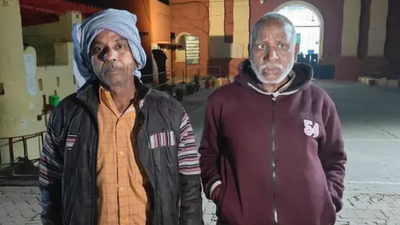
LUCKNOW: When the iron gates of Bareilly central jail opened at 7.15pm on Wednesday, Azad Khan stepped out cautiously. It was the first breath of freedom for the 54-year-old Azad, who spent 24 long years behind bars and an additional one month after being acquitted by Allahabad high court which said the prosecution failed to produce a single witness to link him to the crime.
The weight of prolonged incarceration was etched clearly on his frail body and an uneasy mind.Azad's release came following a TOI report which highlighted his continued imprisonment despite acquittal. Taking cognisance of the story, the Uttar Pradesh Jail Headquarters in Lucknow directed the Bareilly jail authorities to immediately initiate the release process. Acting swiftly, the jail administration coordinated with Mainpuri district court to secure the release orders, cutting through years of procedural inertia that had kept Azad confined.For Azad, freedom came quietly and without celebration. Prison officials said prolonged incarceration, uncertainty over legal proceedings and isolation have left him physically and psychologically weaker, requiring careful handling at the time of release.Speaking to TOI, Azad said he was overwhelmed to finally experience freedom after 24 years, 8 months, and 26 days. He recalled that in 2001, after learning that a dacoity case had been registered against him, he voluntarily presented himself before the court.
At the time when the FIR was lodged, he was living in Delhi and working as a tailor.Jail doctors had earlier noted episodes of mental distress, prompting authorities to ensure that he would not be left alone once freed. Given Azad's fragile condition, jail authorities called his elder brother, Mastan Khan, to Bareilly to receive him. With no immediate family present at the time of release, officials decided it would be safer and more humane for Azad to be handed over directly to a family member.
Mastan Khan was expected to reach Bareilly by 11pm on Wednesday to reunite with his brother after decades of separation."The case has again drawn attention to the systemic failures that allow acquitted prisoners to remain behind bars due to procedural delays and poor coordination between courts and prison authorities. In Azad's case, it was only after external intervention that multiple agencies moved in tandem — from the jail headquarters to the district court — to resolve issues related to documentation, personal bonds and pending procedural formalities," said Yanendra Pandey—the court-appointed counsel who has handled Azad's case since 2023.As twilight settled over the prison complex, Azad Khan waited quietly inside the jail premises, his release complete but his journey to normal life just beginning. For a man who entered prison in his youth and emerged in middle age, freedom is not merely about stepping outside the gates — it is about learning to live again in a world that moved on without him.








 English (US) ·