

 4 days ago
8
4 days ago
8
ARTICLE AD BOX
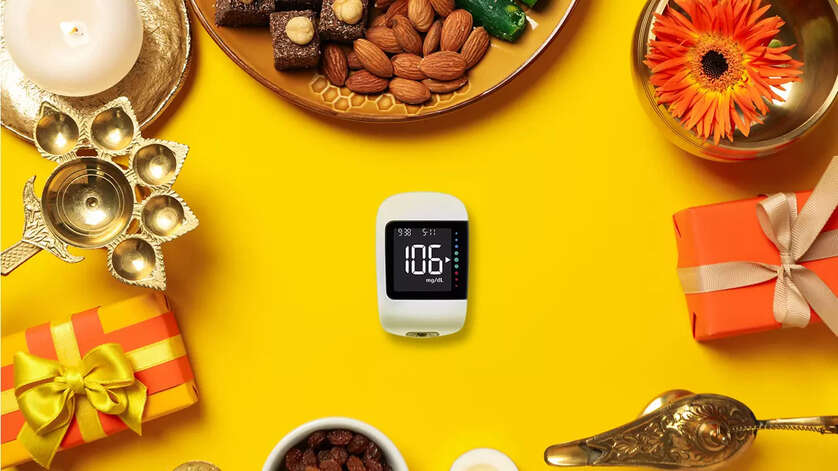
Festivals in India are a time for joy, community, food, and tradition. But for the millions of people living with diabetes, celebrations can also be a challenging- balancing act.
Can I eat this? Should I skip my medication just this once? Is it okay to test less because it’s a special occasion? The key to celebrating responsibly lies in understanding how your body reacts to the excitement, food, and disrupted routine that festivals bring. And it starts with one simple habit: regular self-monitoring of blood glucose (SMBG). Festivals often mean changes in meal timings, sleep patterns, and an increase in sugar-laden treats.
This is exactly when your sugar levels are likely to fluctuate the most, making SMBG not just important but essential. According to the study ‘The Impact of Festivals on Diabetes’ published in the Indian Journal of Diabetes in Developing Countries (2023)1, festivals are a combination of factors that make blood sugar control tricky, like fasting, feasting, social gatherings, and irregular routines. These can cause unpredictable swings in glucose levels, especially when people adjust or miss medications.
The study emphasises that regular monitoring during festivals helps individuals to make small but real-time adjustments to their meals or medication, helping them maintain stable sugar levels and prevent complications.Why testing frequency should go up, not down, during celebrations It is natural to get caught up in the celebrations, but reducing glucose checks during this time can be risky. Post meal SMBG helps you stay aware of your body’s response to festive meals, further enabling you to make informed decisions and adjust portion sizes, medication, or activity levels in real time.
With today’s digital monitoring tools and continuous glucose monitors (CGMs), tracking your sugar levels has become easier and more intuitive. Real-time data empowers you to enjoy your favourite festive dishes while staying in control of your health. How to celebrate smartly with diabetesHere’s how to manage your sugar levels while still being part of the festivities. 1. Pre-plan your indulgences The simplest way to enjoy the festive season without overdoing it is to plan ahead. One should avoid attending parties on an empty stomach and have a protein-rich or high-fibre snack beforehand to curb cravings2. The study ‘The Impact of Festival on Diabetes’1 highlights that festive meals are often rich in fats and carbohydrates, which can cause post-meal glucose spikes. Eating fibre and protein first helps slow sugar absorption and promotes satiety, leading to better blood sugar control. 2. Follow the 20-minute rule for activity A short post-meal walk can support digestion after a heavy celebratory meal, but it cannot undo the effects of overeating.Exercise increases insulin sensitivity and aids in controlling blood sugar levels after meals.
You don't have to go to the gym; dancing, playing with children, or lending a hand with chores are all acceptable. Maintaining an active lifestyle during festivities keeps your energy levels strong and your body in harmony.
3. Don’t delay or skip medication Festivals often disrupt daily routines, and it’s easy to forget medication. However, diabetes medications are most effective when taken regularly. Fatigue, mood swings, and abrupt sugar spikes might result from missing even one dose on days with a lot of calories. The study ‘The Impact of Festival on Diabetes’1 emphasises the significance of taking medications as prescribed and making customised modifications when fasting or feasting. Consult your doctor ahead of time about possible dose adjustments if you anticipate changes in meal schedule or portion size. Keep your monitoring equipment, insulin pens, glucose tablets, and prescription drugs with you so you're always ready.4. Monitor, adjust, repeat Test your blood sugar before your main meal and again two hours after to understand how your body is responding to festive foods. This real-time data can help you make informed decisions, adjusting your meal or snack based on how your body reacts. You will eventually be able to enjoy celebrations with greater assurance and less anxiety thanks to these personal trends. 5. Manage stress and sleepSleep and stress impact your blood sugar levels just as much as food does.
To stay balanced, incorporate calming rituals into your day, whether it’s a moment of prayer, a few minutes of deep breathing, or even a 15-minute power nap. These small pauses can make a big difference. 6. Go digital: Track trends, not just numbers If you are using a digital glucose monitoring app or device, you can track trends, identify problem areas, and even share real-time reports with your doctor. Some apps provide alerts, meal insights, and wellness tracking.
You can use them to your advantage. In a nutshellFestivals are not about restriction on your favourite delicacies, but about balancing, and mindful celebration. The study ‘The Impact of Festivals on Diabetes’ published in the Indian Journal of Diabetes in Developing Countries (2023)1 by Rakesh Sahay, Jothydev Kesavadev, Shery Salis, Sunil Gupta, Banshi Saboo, Aravind Sosale, Yaseen Unes, Gopika Krishnan, Vysakh Chandran, Asha Ashik, Ashwin David, Arun Shankar reminds us that with a proper planning, regular monitoring, and awareness, people with diabetes can enjoy every festival without worry.
So, stay mindful of your meals, check your blood sugar levels regularly, indulge in physical activities as recommended by the treating physician, and listen to your body. Think of self-monitoring not as a task, but as an act of self-care that lets you keep a check of what you consume. Sources:
- https://journals.lww.com/ijdt/fulltext/2023/02020/the_impact_of_festivals_on_diabe tes.2.aspx
- https://www.canadianliving.com/health-fitness/nutrition/article/how-to-avoid overeating-at-holiday-parties
Disclaimer: The views and opinions expressed in the story are independent professional judgments of experts, and TIL does not take any responsibility for the accuracy of their views. This should not be considered a substitute for medical advice. Please consult your treating physician for more details. This article has been produced on behalf of Roche by Times Internet’s Spotlight team.








 English (US) ·