

 2 hours ago
3
2 hours ago
3
ARTICLE AD BOX
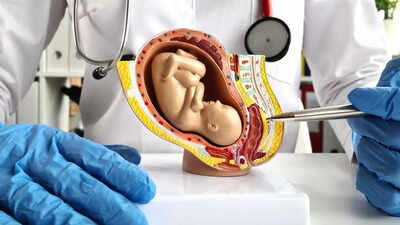
Every year, thousands of babies arrive way too early — sometimes before 28 weeks. These tiny newborns face huge health risks and usually need to spend weeks, even months, in NICUs.
Their bodies just aren’t ready for the outside world yet. They struggle to breathe, can’t hold their temperature, have trouble feeding, and fight off infections with barely-there immune systems.So what if there was a way to save the lives of those premature babies born far too early to survive on their own?Turns out, medical science has found a way.Enter artificial womb technology: a game-changing system that seeks to recreate the conditions of the uterus outside the mother’s body, one that could totally shift the odds for these fragile babies.
Understanding artificial womb: What is it?
So, what’s an artificial womb, really?Picture a high-tech system — devices like AquaWomb — designed to copy what happens inside a mother’s body. With the help of this, the premature baby gets to go into a warm, fluid-filled chamber, where everything is carefully controlled — instead of being exposed to the outside world right away. What’s more? Oxygen and nutrients flow in through a synthetic placenta attached to the umbilical cord, just like during pregnancy.
The temperature is perfect, the fluid and oxygen are just right, and the baby’s organs get the time they desperately need to keep growing.The real magic is in how closely this setup mirrors the real womb.
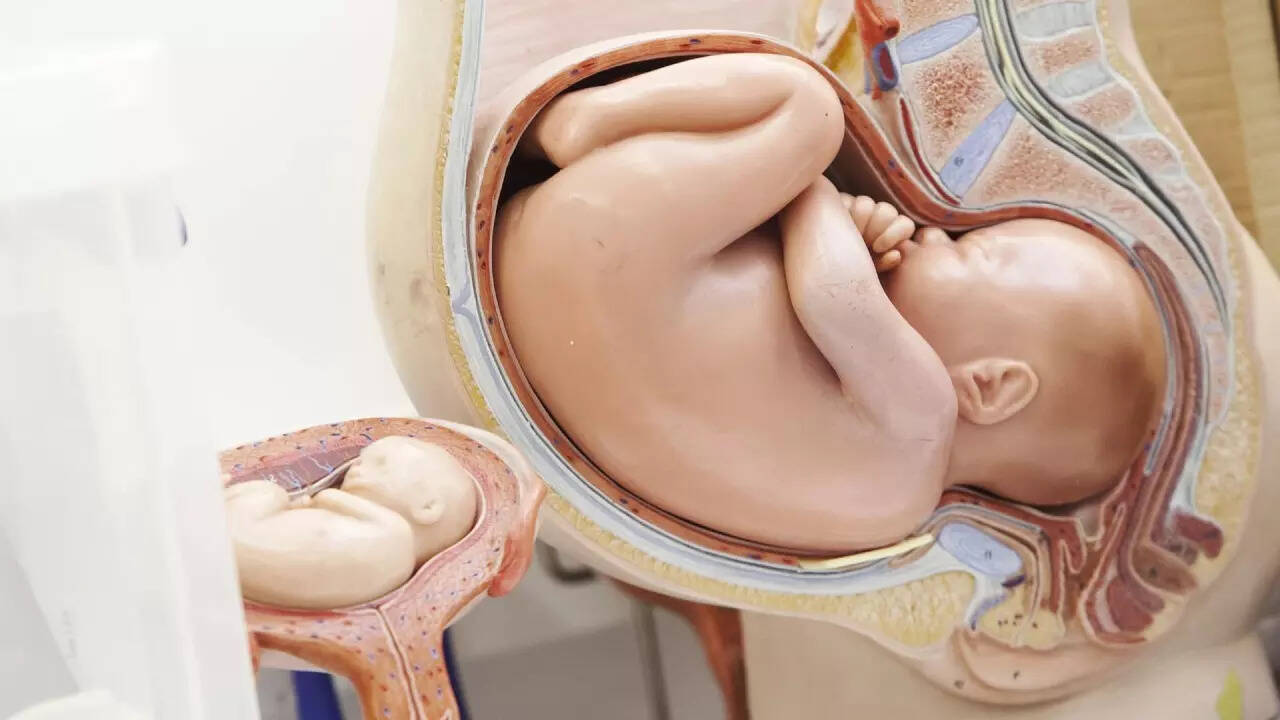
The fluid cushions and supports the baby, keeping them safe and buoyant. The artificial placenta delivers everything they need and clears away waste, just like nature intended. With this kind of support, lungs, brains, and other organs can keep developing as if the baby were still inside mom — cutting down on the complications that come with being born too soon.Currently, scientists and engineers are racing to make artificial wombs a reality. Teams in places like the Netherlands are pushing forward with projects like AquaWomb, hoping to create a real-life bridge for babies who show up way too early.The idea is simple: give these babies more time in a safe, womb-like spot until their bodies are ready for the outside world.
Why this matters
Here’s the brightest spot: there’s real hope here for the premature babies in case this innovation pans out.In animal studies, especially with lambs, researchers have seen these artificial wombs help with normal growth, lung development, and healthy brains — results that look a lot like what happens in a natural pregnancy. These studies have given researchers the confidence to start moving toward human trials, and those could kick off soon.
Why does all this matter so much?
Because, as per statistics, babies born between 22 and 28 weeks are at the highest risk for serious problems — they could even face death.
Sure, medicine has come a long way, with incubators, ventilators, and all sorts of drugs keeping more of these babies alive. However, even with the best care, a lot of them still end up with chronic lung disease, brain injuries, or sensory problems that last a lifetime.Artificial wombs could change that. Instead of forcing underdeveloped organs to work before they’re ready, these babies get a chance to keep growing in a natural, protective environment. Early studies show this approach boosts survival rates, cuts down on long-term disabilities, and helps more of these kids grow up healthy. For families and doctors, that’s real hope — something that felt like science fiction not too long ago, but now looks like it’s right around the corner.









 English (US) ·