

 1 hour ago
3
1 hour ago
3
ARTICLE AD BOX

Mouth bacteria may raise liver disease risk, finds study: Doctor shares how to protect your liver healthOral health and liver disease might seem unrelated but a new study has shed light to this new risk of liver health.
The study published in Nature Microbiology journal, analysed bacterial populations in saliva and stool samples from 86 patients."We identified highly similar oral and gut bacterial strains, including Veillonella and Streptococcus spp., which increased in absolute abundance in the gut of patients with advanced chronic liver disease (ACLD) compared with controls," the researchers from Technical University of Munich in Germany found.“These strains are typically found in the mouth and are rarely present in the healthy gut. However, we observed increases in the absolute abundance of these oral bacteria in patients with advanced chronic liver disease,” Melanie Schirmer, Professor of Translational Microbiome Data Integration at TUM told the media. “This strongly suggests that these bacteria translocate from the mouth and colonise the gut.”They found that higher levels of these bacteria were associated with damage to the intestinal barrier.
“To investigate this link, we performed a gene analysis,” says Shen Jin, one of the study’s first authors. “We discovered that these bacteria carry genes encoding collagen-degradation enzymes.” The team confirmed these enzymes were active by testing isolated bacteria from stool samples and synthesizing the enzyme.
“Collagen breakdown can compromise the gut barrier, potentially allowing bacteria and bacterial products to reach other organs, such as the liver.
We believe this may worsen the disease,” explains Aurelie Cenier, a doctoral researcher and co-first author.This finding builds on earlier research showing a strong gut–liver connection.The gut microbiota and numerous liver disorders are closely related, said a study published in Diagnostics. "Therefore, in order to develop more effective strategies for preventing and treating liver diseases, it is crucial to comprehend the invasion route of oral pathogenic bacteria as well as any potential biological aspects.
The intestine and the oral cavity are part of the same gastrointestinal tract and are related anatomically. There is increasing evidence that oral microbiota can reach the gastrointestinal tract through the bloodstream or intestinal route," the researchers said.
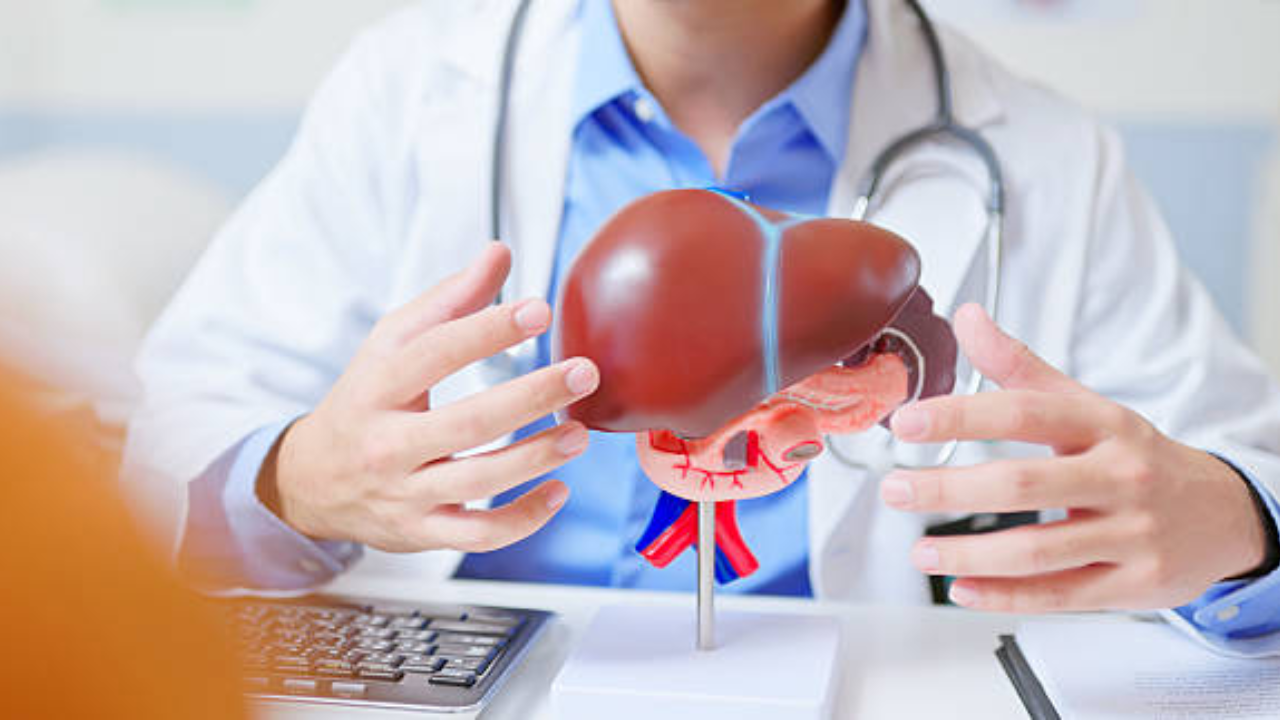
“Infectious gum bacteria can enter the blood through small tears that form during normal chewing or tooth brushing. Once they enter the bloodstream, bacteria will be transported to the liver through blood vessels.
Upon reaching the liver, these organisms create an inflammatory response and promote an immune overload in the liver, whether it be via the fatty liver mechanism or due to the presence of a fibrotic tissue formation (i.e.
, fibrosis). As time passes, the continual inflammation of the liver may result in further progression of either of these processes,” Dr. Santosh Kumar Agrawal, Director - Internal Medicine, Yatharth Super Speciality Hospital Faridabad told TOI Health. Dr Santosh says this risk applies to everyone, especially people with diabetes, obesity. “Yes, as a result of their condition's risk factor, individuals with either diabetes, being overweight or obese, or using alcohol on a regular basis are at greater risk due to their suppressed levels of immunity and the presence of chronic inflammation associated with each of these risk factors. Increased levels of blood sugar, as well as the accumulation of excess fatty tissue within the body, facilitate the survival of the bacteria in both the blood and the liver, while alcohol consumption will inhibit the liver's ability to detoxify itself and to respond to pathogenic organisms,” he explains.
He says one should be very careful about the early signs of oral diseases. “Early signs of gum disease include bleeding gums, bad breath that won't go away, swollen gums, tenderness in your gums, gum recession, and loose teeth. Although they seem small, they are indicators of bacteria continuing to infect and inflamed gums. The longer you wait to seek treatment for these symptoms, the more bacteria can spread throughout your body which will put added stress on your liver,” he warns.
The expert urges good oral hygiene in order to stay protected. “By eliminating bacteria and food debris between teeth, daily flossing has a crucial role in preventing gum disease. If you floss regularly, you can help reduce inflamed gums, so that fewer bacteria from the mouth will enter the bloodstream and affect not only oral health but also heart, liver and overall immunity,” he says.









 English (US) ·