

 1 hour ago
2
1 hour ago
2
ARTICLE AD BOX
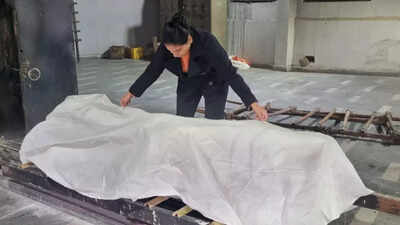
At an age when most women are getting married, building careers, or planning families, Pooja Sharma spends her days cremating unclaimed dead bodies. Born into a middle-class family in Shahdara, Delhi, Pooja completed a master’s degree in social work and was working as an HIV counsellor at a government hospital.
At the time, Pooja was pursuing an LLB degree simultaneously as dreamed of becoming a judge. Life was stable, predictable, and moving forward until 13 March 2022 changed everything. That day, Pooja’s brother was brutally murdered before her eyes following a petty argument. No one came forward to help as he was shot dead. She alone rushed him to GTB Hospital, where doctors declared him brought dead. “The moment my father heard the news, he fainted and slipped into a coma,” she recalls.
Her mother had already passed away in 2019 due to a brain hemorrhage. Overnight, Pooja found herself completely alone—her father unconscious, her grandmother in shock, and her brother gone.
Standing alone before her brother’s funeral pyre, something inside her shattered permanently. “Life presented itself in a form I had never imagined,” she says. That moment marked a deep and irreversible turning point. “But perhaps something else was ordained for me,” she reflects.
After her brother’s murder, she took the responsibility of performing his last rites herself-something traditionally done by male family members.
On 15 March, she went to the cremation ground to collect her brother’s ashes. There, she saw a Shivling, held it, and cried uncontrollably for hours. “I don’t know what happened to me. I rubbed the ashes all over my body,” she says. That moment led to a life-altering decision—"I would help perform the last rites of unclaimed dead bodies.
Had my brother died elsewhere, he might not have received a dignified farewell.”Her path came at a personal cost. Pooja had been in a seven-year relationship with an Army commando, and they were engaged in 2018. When a video of her at the cremation ground surfaced online, her fiancé objected, calling her an ‘aghori’ and worrying about social perception. “I broke off the engagement,” she says, without hesitation. “I chose seva,” Pooja says simply.
To sustain her work, she sold her mother’s jewellery, her brother’s scooter and mortgaged her home.
“I will always regret selling these pieces of memory, but I had no choice.”
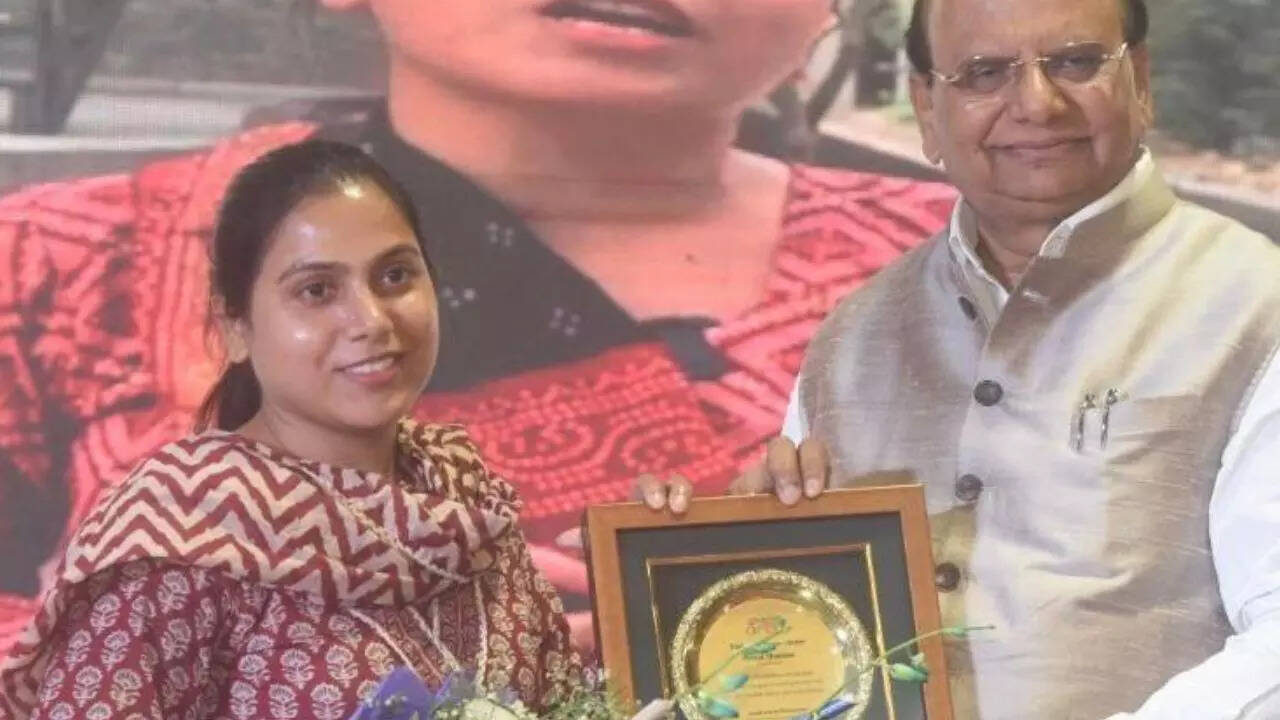
She continues to fight for justice for her brother’s murder. “That is what I pray to God for,” she says. “God gives you everything, but becoming Bhole’s devotee gives you vairagya-freedom from material bonds.” Over the years, she has encountered experiences that defy explanation.
She recounts performing the last rites of a young man who died by suicide after his family refused to claim his body. Forgetting to collect his ashes, she later dreamt of him asking, “Didi, why didn’t you take me?” She immediately contacted a priest, located the remains, and immersed them in Haridwar.“Nothing like this has happened again,” she adds, “but it was real.” Despite myths surrounding cremation grounds open hair, perfumes, or spirits—Pooja dismisses them.
“These are just beliefs. My day begins at the shamshan. I rest there and eat my food in cremation ground. I have never felt fear or encountered anything supernatural.”
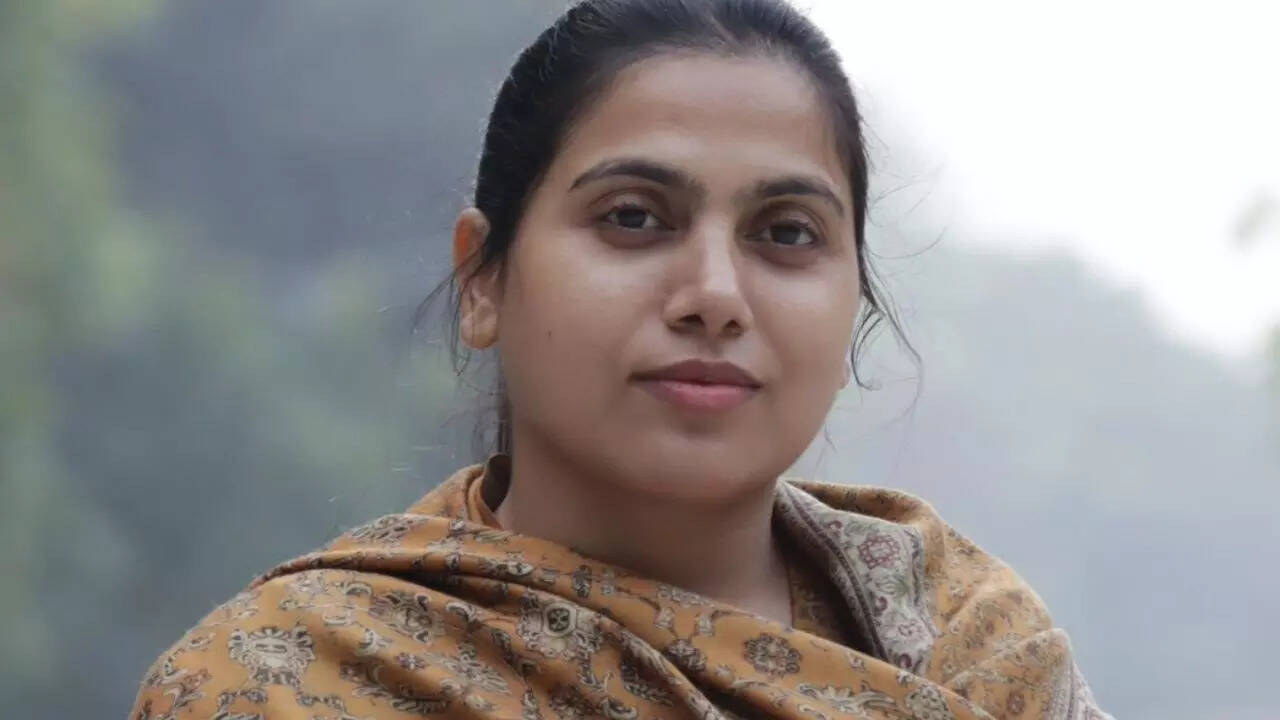
When an article about her work was published in The Guardian, she says powerful political figures targeted her. “I was detained at my own Mahila Ashram by dozens of police officers. They had nothing against me, but I was afraid.” Asked how she manages to touch dead bodies daily, she answers quietly: “I don’t know what changed inside me.
I used to be afraid of lizards. If someone died in the neighbourhood, I wouldn’t sleep for days.
Today, my mornings begin with death calls, mortuaries, and hospitals, and I am at peace. This work has become part of my life.”Pooja Sharma shares glimpses of her daily life on her Instagram account. She openly speaks about her tragedy and the strength she derived from it.
For her, death is no longer an ending, it is a responsibility.
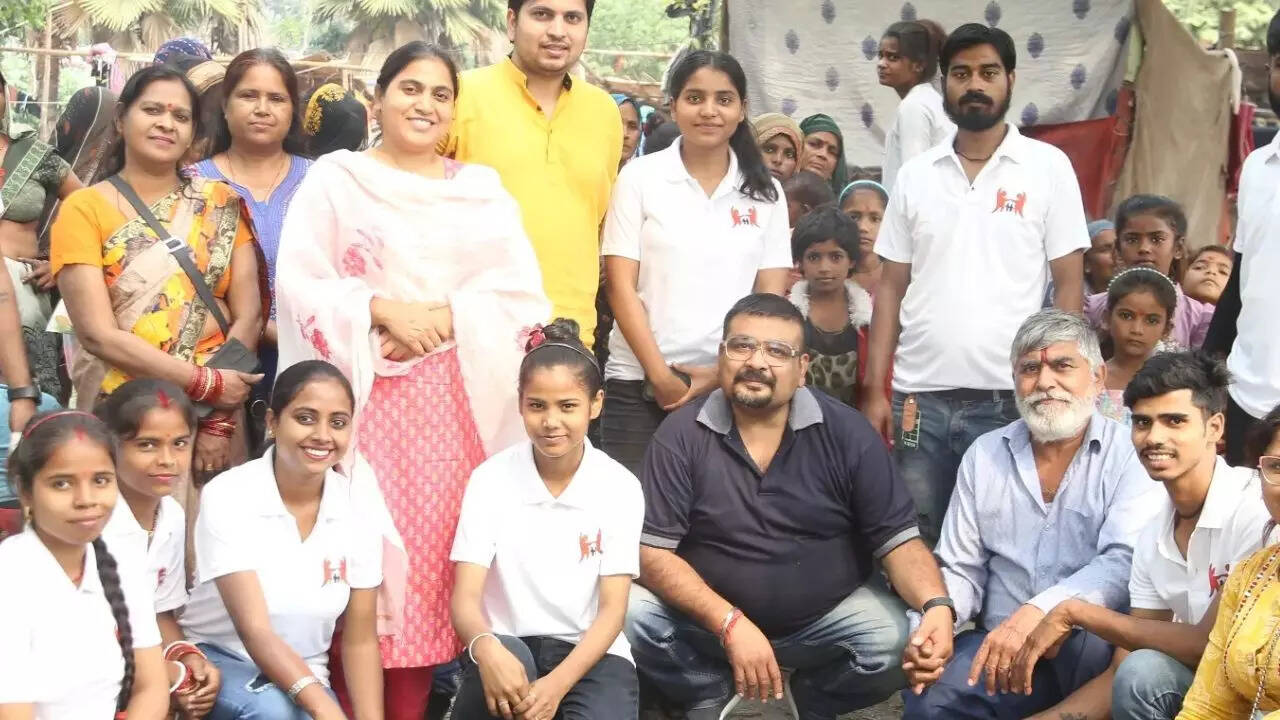
What began as personal grief gradually transformed into a larger commitment to serve those abandoned by society. She went on to establish the Bright Soul Foundation, an organisation that supports people suffering from HIV/AIDS, rape survivors, women battling cancer, brain tumours, tuberculosis, and other life-threatening illnesses. Through the foundation, Pooja works with individuals who are often denied dignity in both life and death—those rejected by families, shunned by communities, or left without support systems.
Her work extends beyond medical aid, offering emotional care, last rites for the unclaimed, and a sense of human presence where there is usually none.Pooja’s service is not driven by recognition or ideology, but by lived experience and quiet resolve. Having stood alone at the cremation ground once, she ensures that no one else faces that solitude again.




 English (US) ·