

 1 hour ago
3
1 hour ago
3
ARTICLE AD BOX
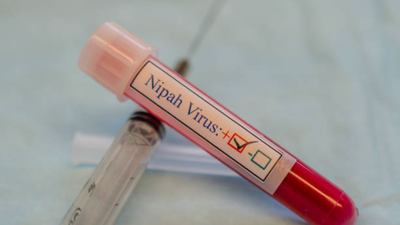
Nipah is a virus that comes from fruit bats and can spread to humans through contaminated food or close contact with infected people. Recently, there are reports of Nipah virus being detected in West Bengal in two nurses. In India, the first big scare was in 2018 when a few cases in Kozhikode made national news. People were scared because the symptoms start like a regular viral fever, but can escalate quickly. Hospitals had to scramble to isolate patients and trace contacts. There were strict quarantines, travel restrictions, and a lot of confusion because, honestly, no one expected it.One reason less is known about Nipah in India is that it’s rare so people aren’t constantly talking about it.
That makes early detection tricky. Symptoms can be vague at first, mild fever, headache, body ache, and by the time severe neurological or breathing problems appear, the infection is already serious.Nipah virus: Doctor shares dos and don'ts
So why should we care if Nipah virus infection is so rare?
Because history has shown that viruses with high fatality rates can be deadly fast. "Clinically speaking, Nipah virus causes high fatality rates and rapid progression, it can also lead to the development of encephalitis, or severe swelling of the brain.
This disease has a different mode of transmission compared to most viral diseases, transmission occurs after close contact with infected individuals/ infected animals rather than through physical contact with contaminated objects.
There is currently no antiviral treatment available for Nipah virus. The rapid onset of severe symptoms leaves minimal time for intervention once they occur," Dr. Santosh Kumar Agrawal, Director - Internal Medicine, Yatharth Super Speciality Hospital Faridabad told TOI Health. As per the World Health Organisation (WHO), the case fatality rate is estimated at 40% to 75%. "Although Nipah virus has caused only a few known outbreaks in Asia, it infects a wide range of animals and causes severe disease and death in people, making it a public health concern," the WHO has said.
Nipah symptoms that are easily overlooked
Dr Santosh highlighted the symptoms that were overlooked by patients in the past outbreaks in India. "Symptoms of Nipah virus usually present as mild fever with headache or body ache at initial exposure and are commonly mistaken for a typical viral illness because these initial symptoms are non-specific and appear after routine exposure.
As such, people often treat themselves using over-the-counter medications when these symptoms arise, resulting in missed opportunities for early identification of the virus and potentially dangerous delays in seeking treatment due to potentially unnoticed progression of the virus until neurological symptoms arise," he said.Dr Santosh said, the timeline from exposure to the moment symptoms turn severe is between 5 and 14 days.
Symptoms include fever, headache, tiredness, and after several days, confusion, seizures, and trouble breathing may occur."Rapid isolation, testing, and supportive care when a patient presents with fever are the most important interventions; timely intervention within the first fever phase can greatly decrease transmission rates and enhance a patient’s prognosis," the expert said.









 English (US) ·