

 1 hour ago
3
1 hour ago
3
ARTICLE AD BOX

When it comes to heart health, cholesterol is the most talked about lipid profile, and heart attacks are often discussed in the context of high levels of LDL cholesterol. But, there’s more to the picture.
Despite having LDL cholesterol levels in the normal range, the risk of heart attack can be high.Recently, AIIMS-trained doctor Priyanka Sehrawat (@docpriyankasehrawat) highlighted the same and shared two lesser-known, but powerful, predictors of heart attack risk.
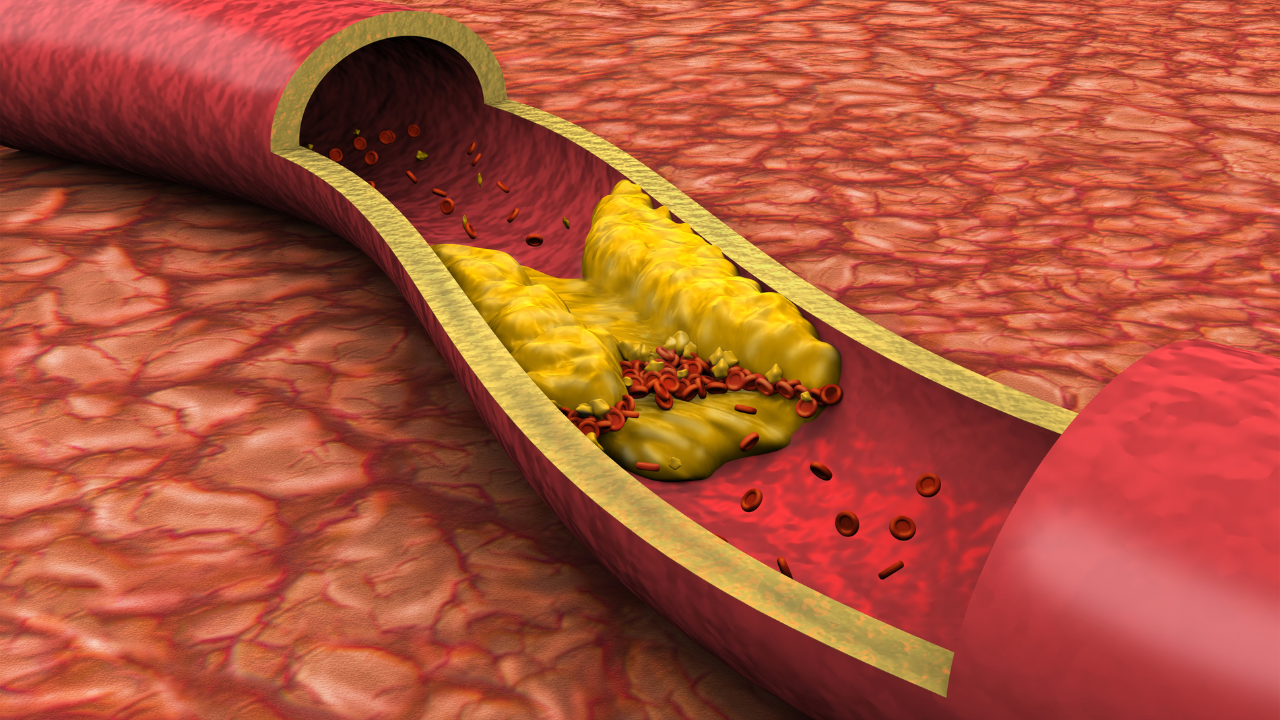
1. Apo B levels
Apolipoprotein B or Apo B is a protein found on the surface of atherogenic particles such as LDL, VLDL, and other cholesterol-carrying lipoproteins.
Apo B reflects the number of harmful particles circulating in the blood. High Apo B level means more particles are capable of penetrating artery walls, even when LDL cholesterol levels are normal.Dr Sehrawat says this profile gives the idea about the ‘atherogenic article’ in the blood. This is related to our metabolic dysfunctions. What is considered high Apo B levelApo B levels above 90 mg/dL are associated with increased cardiovascular risk, while levels ≥130 mg/dL indicate a high risk of heart attack, as per American Heart Association.
2. Serum Lipoprotein (a) levels
Lp(a) is structurally similar to LDL but with an additional protein called apolipoprotein(a) attached to it. This extra protein makes Lp(a) particularly harmful. Studies show that it combines plaque-forming, inflammatory, and clot-promoting properties. According to Dr. Priyanka, this profile informs us of the genetic risk factors. She adds, people who have a family history of heart attack should get these levels checked. What is considered Serum Lipoprotein (a) levelAs per US National Library of Medicine, Lp(a) levels >50 mg/dL are associated with an increased risk of cardiovascular diseases.
How to get these tests
Both Apo B and Lipoprotein (a) tests are simple blood tests available at most diagnostic laboratories. They are usually done on a fasting blood sample, though some labs may allow non-fasting samples. These tests are not part of routine lipid profiles, so they need to be specifically requested. Disclaimer: This article is for informational purposes only and should not be considered professional advice or diagnosis.









 English (US) ·