

 6 days ago
20
6 days ago
20
ARTICLE AD BOX
Last Updated:April 12, 2026, 10:46 IST
Foreign expert say the United States is keen to secure a deal, partly due to domestic political pressures. An agreement could offer Washington a way to step back from the conflict.


Michael Kugelman, Director of the South Asia Institute at the Wilson Centre
The high-stakes negotiations between the United States and Iran in Islamabad ended without an agreement after 21 hours of discussions. US Vice President JD Vance confirmed that both sides failed to reach a “satisfactory agreement", with key differences remaining unresolved.
Experts say the United States is keen to secure a deal, partly due to domestic political pressures. An agreement could offer Washington a way to step back from the conflict. The presence of a senior US delegation in Pakistan underlines how seriously the negotiations were being pursued.
American Foreign Michael Kugelman said the effort reflects strong US commitment. He noted that despite the lack of a deal, the process is far from over and further talks are likely, though the venue remains uncertain.
A pause, not the end
Kugelman described the “Islamabad Dialogue" as a pause rather than a failure. He pointed to growing pressure within the United States, including public fatigue over foreign conflicts and the strain of the 2026 economic crisis, as key factors driving the push for an agreement.
He suggested that the next steps could include continued low-level technical discussions, future high-level meetings in neutral locations such as Europe or cities like Muscat or Doha, and a phase of stronger US pressure to push Iran towards concessions.
“The US, for domestic political reasons, wants a deal that enables it to exit the war. That such a senior group flew all the way to Pak shows the US commitment. Despite Vance’s comments, this likely isn’t over. More talks could come-but unclear if they’ll be in Pak or elsewhere," reads Kugelman post on X.
The US, for domestic political reasons, wants a deal that enables it to exit the war. That such a senior group flew all the way to Pak shows the US commitment. Despite Vance’s comments, this likely isn’t over. More talks could come-but unclear if they’ll be in Pak or elsewhere.— Michael Kugelman (@MichaelKugelman) April 12, 2026
Key hurdles in the negotiations
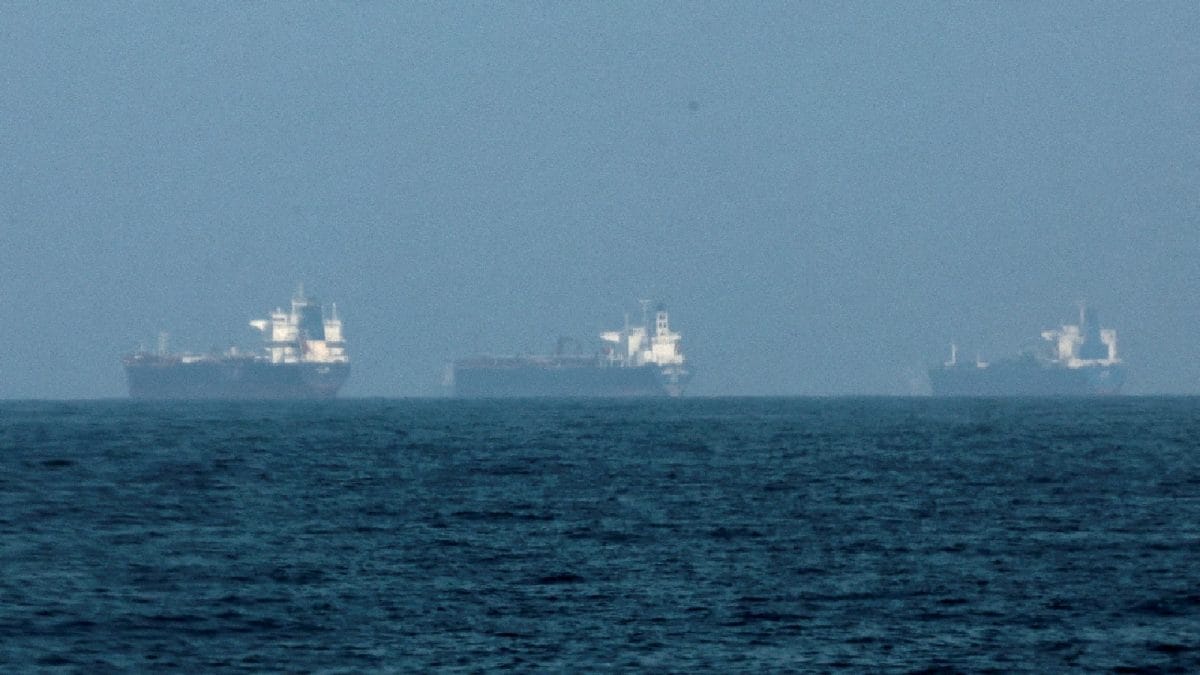
The talks stalled mainly over the Strait of Hormuz and Iran’s nuclear programme. Vance said that while some progress had been made, the final outcome was not acceptable to Iran.
“We have not yet reached an agreement acceptable to the Iranian side," he said, adding that Tehran had chosen not to accept US terms. He stressed that Washington had clearly laid out its red lines and areas where it was willing to compromise.
Iran’s stand
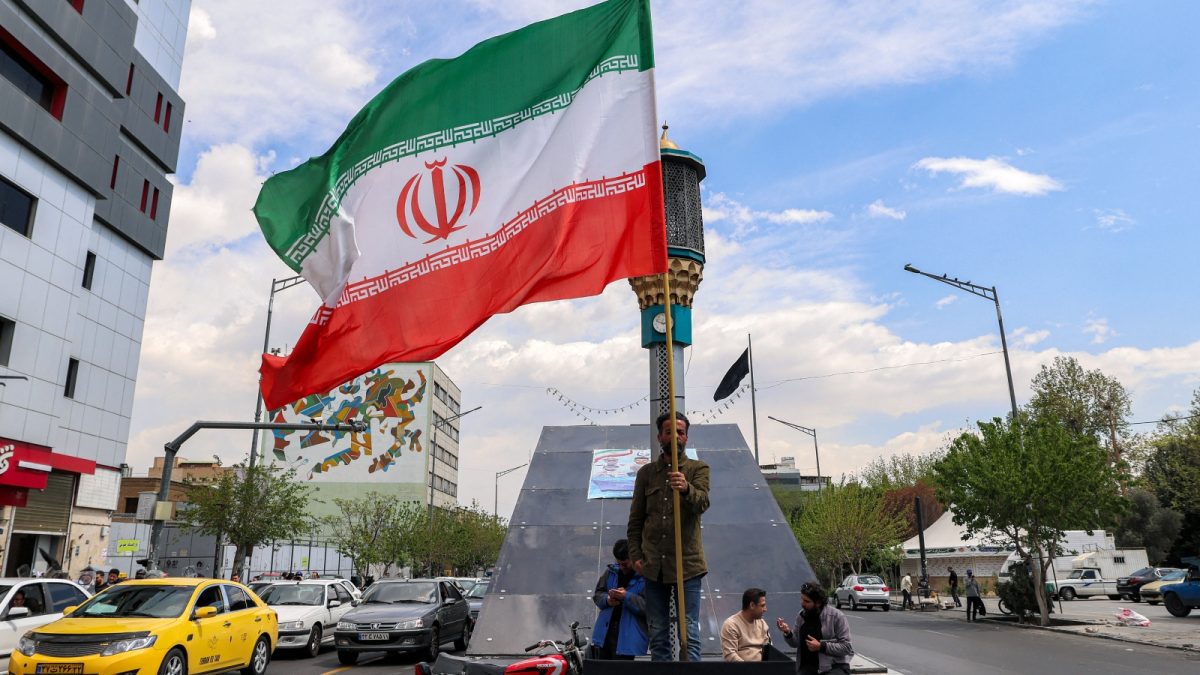
Iranian officials also signalled a firm position. Esmaeil Baqaei said negotiators were using all available means, including diplomacy, to secure national interests. He added that the success of talks depends on recognising Iran’s rights and avoiding excessive demands.
Baqaei said discussions covered several key issues, including the Strait of Hormuz, nuclear matters, war reparations, sanctions relief, and ending the conflict.
Despite the deadlock, both sides appear open to further engagement. No decision has been made on the next round of talks or where they will be held. For now, the negotiations remain unresolved, with both Washington and Tehran holding firm on their positions.
Handpicked stories, in your inbox
A newsletter with the best of our journalism
First Published:
April 12, 2026, 10:46 IST
News world ‘Not Over Yet’: US Expert Says Iran War Diplomacy Likely To Continue Despite Islamabad Deadlock
Disclaimer: Comments reflect users’ views, not News18’s. Please keep discussions respectful and constructive. Abusive, defamatory, or illegal comments will be removed. News18 may disable any comment at its discretion. By posting, you agree to our Terms of Use and Privacy Policy.
Read More






 English (US) ·