

 1 hour ago
3
1 hour ago
3
ARTICLE AD BOX
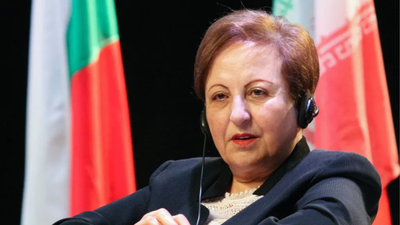
In 1979, Shirin Ebadi stood with the crowds who believed Iran was on the brink of democracy. Like many who opposed the Shah, she joined protests that promised freedom, dignity and justice.
Decades later, Ebadi, now a Nobel Peace Prize winner and one of Iran’s most prominent human rights voices in exile, speaks about that moment with regret. She has said she apologised to Iranians, especially young people, for supporting a revolution that delivered the opposite of what many expected. Her admission has struck a chord across the Iranian diaspora and among protesters, turning her personal reckoning into a wider reflection on how Iran’s hopes were reshaped into decades of control and repression.
Who is Shirin Ebadi and why her words carry weight
Shirin Ebadi is one of Iran’s best-known human rights lawyers and a rare figure who has remained internationally recognised while openly criticising the Islamic Republic. After winning the Nobel Peace Prize in 2003, she became a global symbol of legal activism, known for defending prisoners of conscience and campaigning for civil rights.Her standing gives her reflections unusual credibility. She is not commenting from a distance.
She lived through the Revolution, watched its aftermath, and spent years challenging the system it produced.Ebadi’s story has resurfaced because she does not speak about 1979 in abstract terms. She acknowledges that she was part of the movement that helped bring Ayatollah Ruhollah Khomeini to power, at a time when many believed the country was moving towards democracy.For many Iranians, the slogans of 1979 are now remembered as the start of a national tragedy.
The Revolution that promised freedom ended up producing a political order defined by religious authority, tight controls, and harsh punishment for dissent.
‘We made a mistake’: Ebadi’s apology to Iran’s youth
Ebadi’s apology is aimed most directly at the younger generation. She has expressed that regret publicly on more than one occasion, including in a February 2020 Washington Post opinion essay, where she admitted she believed the Revolution would bring freedom and later realised she was wrong.
More recently, she repeated the same message in a CNN interview with Christiane Amanpour in January 2026, saying she had apologised to Iranians, especially young people, for taking part in the protests against the Shah and for supporting a movement that ultimately produced a theocratic system rather than democracy.The phrase ‘lost generation’ has gained meaning in Iran’s modern history. It refers to people who grew up under strict controls, routine surveillance, political violence, and constant uncertainty, particularly women.
Many never had the option of choosing a different system, yet they have been forced to carry the cost of one.
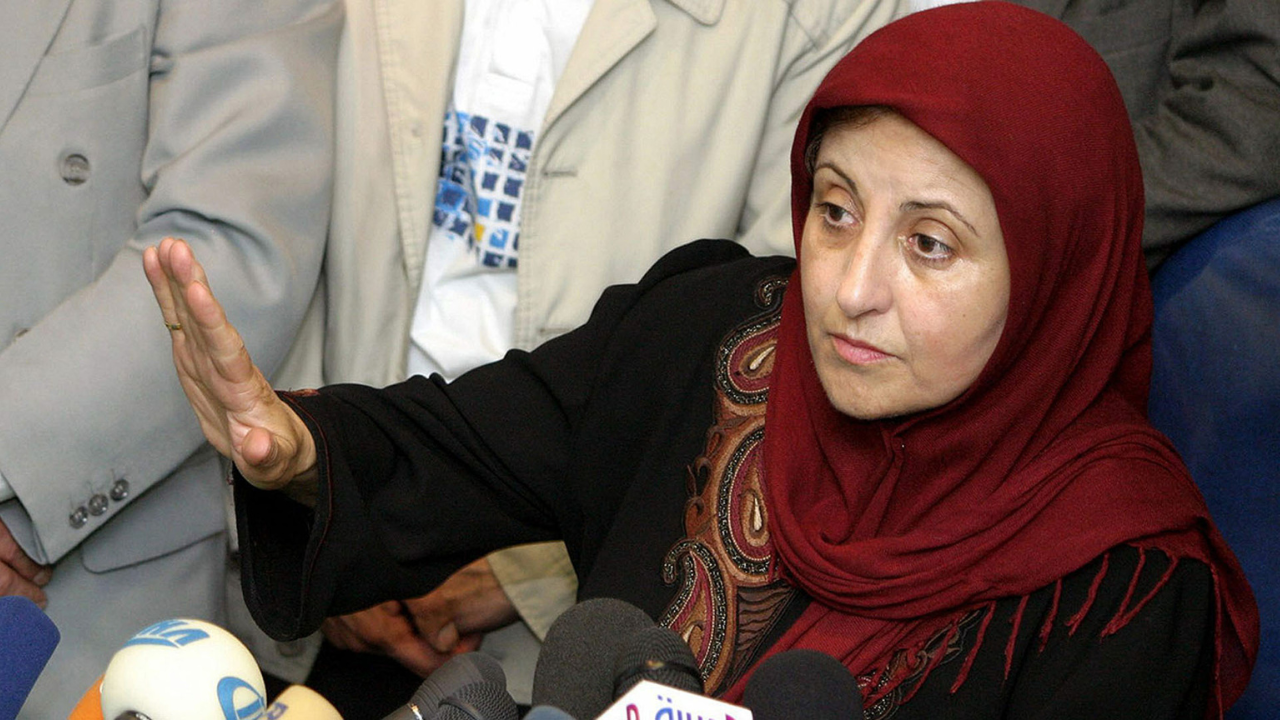
How the Revolution’s promises collapsed into repression
Ebadi’s argument is built around how revolutions can be captured after victory. Many people in 1979 believed they were replacing authoritarian rule with democracy. Instead, political space narrowed further. Institutions were reshaped around ideological power, and dissent began to carry severe consequences.Over time, disagreement stopped being treated as political difference. It was increasingly framed as betrayal or blasphemy, making crackdowns easier to justify. That shift did not happen overnight, but it became one of the defining features of the Islamic Republic.
The cost across decades, not just one moment
Ebadi’s regret reflects what many Iranians describe as a lifetime of limitation. For some, the cost has been prison, torture, or exile. For others, it has been quieter but still damaging: self-censorship, fear of state scrutiny, and a sense that opportunity remains conditional.This is why the idea of a stolen future resonates widely. It is not only about who holds power. It is about the daily impact on education, personal freedom, public expression, and the ability to imagine a different Iran without punishment.
Why her words are spreading now
Ebadi’s comments have gained traction because they mirror what is already being said in Iran’s protest movements. Many demonstrators describe their struggle as a demand for life, freedom and dignity, often led by a generation that sees the Islamic Republic as a system imposed on them.In that context, Ebadi’s apology feels like acknowledgement from someone who once believed the Revolution’s promises and later watched those promises collapse.
A warning to any society chasing change
Ebadi’s story also carries a broader lesson. Revolutions can unite millions, but the aftermath is shaped by who controls the new institutions. The most organised factions often dominate once the old system falls, even if they were not the ones who carried the widest hopes.That is what gives Ebadi’s regret its force. It is not nostalgia. It is a reminder that political change without safeguards can produce a new form of repression instead of freedom.
Regret, resistance, and the hope of renewal
Ebadi’s apology does not erase the past, but it reframes it. It places responsibility on the generation that believed it was marching towards democracy and later saw Iran move in the opposite direction.Her message, however, is not only about guilt. It is also about refusing to accept repression as permanent. By speaking openly, she reinforces an idea many Iranians still hold onto: that a country shaped by one turning point does not have to remain trapped there forever.







 English (US) ·