

 2 days ago
7
2 days ago
7
ARTICLE AD BOX

Blood Cancer in Children: Expert Shares 5 Crucial Tips Every Parent Needs to Know
A blood cancer diagnosis changes a family overnight but medical science and doctors agree that healing begins at home too. A diagnosis of blood cancer in a child is one of the most devastating moments a parent can face.
Beyond the clinical terminology of leukaemia, lymphoma and myeloma lies an emotional upheaval marked by fear, uncertainty and a deep sense of helplessness. Yet, according to paediatric experts, parental involvement can make a measurable difference in how a child copes with both treatment and recovery.In an interview with the Times of India, Dr Purvi Kadakia Kutty, Pediatric Hemato-Oncologist and Bone Marrow Transplant Specialist at NewEra Hospitals in Navi Mumbai, shared, “Children battling blood cancer not only require medical care but also emotional support, appropriate nutrition, understanding, and support from their parents.
Hence, parents need to follow these crucial tips and become not only caregivers but also the support system for the child.
Parents will have to encourage the child in the form of healers or companions. It is time for parents to take charge of their child’s health and give them hope to deal with cancer.”
Why parental support matters more than we think
Blood cancers affect the body’s ability to produce healthy blood cells, leading to symptoms such as fatigue, frequent infections, easy bruising and pale skin.
Treatment can be intensive, involving chemotherapy, targeted therapy or even bone marrow transplantation. While medical protocols are critical, emotional care runs parallel to physical treatment.

Can Parental Love and Support Truly Heal Childhood Blood Cancer?
Parents are not just caregivers; they become companions, motivators and emotional anchors for the child. When parents stay informed, calm and emotionally available, children feel safer navigating the uncertainty of cancer treatment.“Every parent wants the child to be in the pink of health. However, a diagnosis of blood cancer in a child can be overwhelming and disheartening for the parents. The parents can be tense, worried, frustrated, and agitated as well. Their world turns upside down as they may feel helpless to see the child struggle at such a tender age. Caring for the child with blood cancer is a roller coaster journey. There will be constant medical appointments, blood transfusions, and treatment regimens,” Dr Kutty explained.“Both the child and the parents may feel overwhelmed. Hence, it is imperative for parents to make sure to support the child, be patient, and be aware of the child’s treatment. The parents should calm the child down and motivate them to never give up. Even though there can be challenges, these pivotal measures can be taken for children by their parents.”
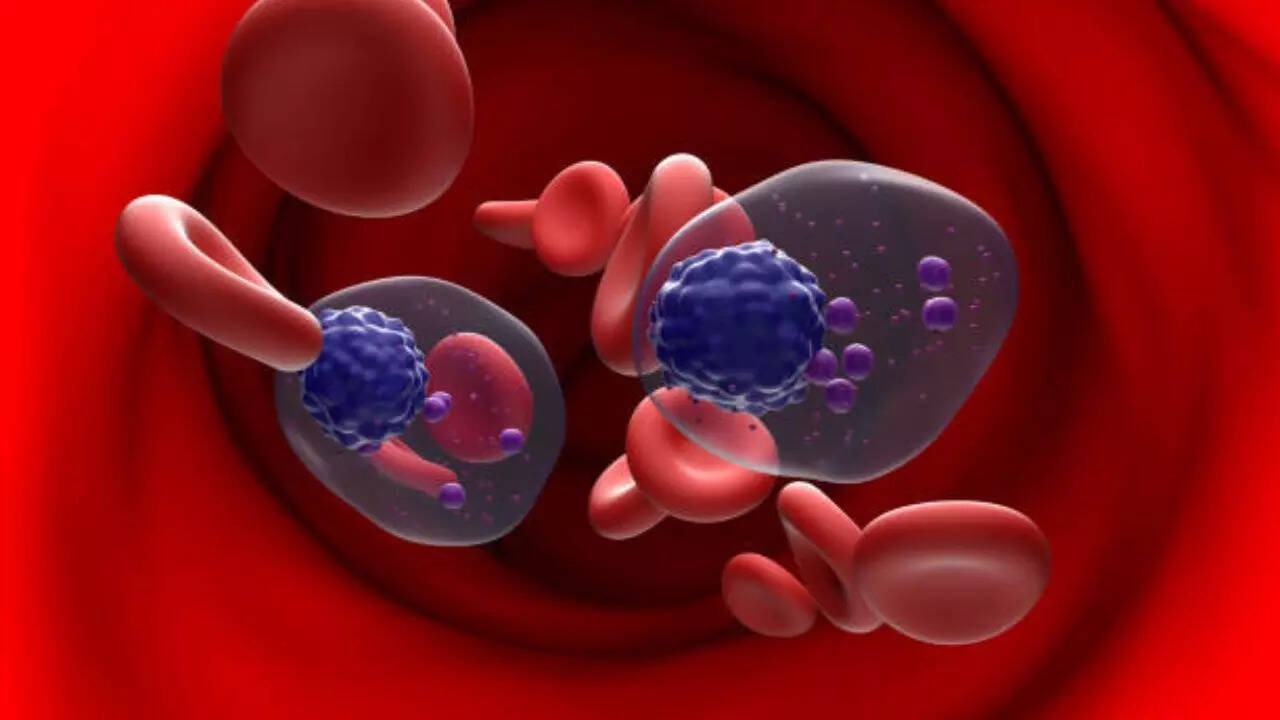
Parental Support Crucial for Childhood Blood Cancer Treatment & Recovery
Research consistently shows that strong parental involvement plays a crucial role in a child’s adjustment and quality of life during cancer treatment. A 2024 systematic review published in the PsycInfo Database Record found that family cohesion and emotional support were associated with lower parental distress, which in turn positively influenced children’s psychological adjustment during treatment.
The authors noted, “Family coping strategies and social support are central to improving child wellbeing and quality of life in paediatric cancer care.”Caring for a child with blood cancer is often described as a roller-coaster journey. Both the child and parents may feel overwhelmed at different stages, making patience, reassurance and informed decision-making essential. Parents who actively understand the disease and its treatment are better equipped to support their child emotionally and physically. Another 2024 study in Frontiers in Public Health highlighted the importance of parental knowledge and engagement, concluding that “proactive caregiving practices and informed parental involvement can positively influence treatment adherence and overall outcomes in children with leukaemia.”
Caring for the child with blood cancer
Dr Kutty suggested -
- Be in touch with the child’s medical team: Parents must understand what exactly blood cancer is, the type, symptoms, and management. Ask questions to the doctor if you have any doubts. The treatment approach to cancer will be based on the type. So, parents need to make informed choices when it comes to the child’s health. Go for regular check-ups and follow-ups with the doctor, understand the side effects of the treatment, and seek second opinions when needed. Don’t hesitate to ask questions to the doctor at all.
- Even a supportive environment should be provided to the child at school so that he/she can thrive.
- Pay attention to the nutrition: The child should be given soft and nutritious food as per the doctor’s advice to build immunity. It is best to avoid giving a child undercooked food, home-made food to the child. Make sure the child stays hydrated and eats balanced meals.
- Follow hygiene practices: The child should maintain good personal hygiene, wash hands after accessing the washroom, before eating, wear a mask while venturing out of the house, and avoid crowded places. Maintaining good hygiene is necessary for infection prevention.
- Offer emotional support to the child: The child will surely feel anxious, stressed due to constant hospital visits for appointments. It is necessary for parents to give the child reassurance so that they feel safe. Join support groups to understand the journey of other children and parents and how to cope with stress.
The takeaway
With early diagnosis, the right medical care and a nurturing home environment, children with blood cancer can go on to live healthy, fulfilling lives. Medicine treats the disease but love, patience and parental support treat the child.“With love, strong support from parents, early detection, the right medical support and a nurturing home environment, the child can lead a healthy life,” Dr Kutty concluded.Note: The information provided in this article is for educational purposes only and is not intended as medical advice. Always consult with a qualified healthcare professional before starting any new medication or treatment and before changing your diet or supplement regimen.









 English (US) ·