

 2 days ago
2
2 days ago
2
The 15-sitting winter session of the Parliament held between December 1 and 19 this year, saw the introduction of ten new Bills in the Lok Sabha, passage of eight by both Houses and two sent for further scrutiny by a Standing Committee.
Of the eight Bills passed, three were ‘Money Bills’ (i.e. don’t require passage by Rajya Sabha) - The Health Security se National Security Cess Bill, 2025, The Central Excise (Amendment) Bill, 2025 and The Manipur Goods and Services Tax (Second Amendment) Bill, 2025. While the first two dealt with levying cess and excise on tobacco manufacturing plants, the last one revised the GST slabs into two – 5% and 18%, according to the Council’s decision.
Six ‘Financial Bills’ were introduced of which three have passed by both Houses - The Sustainable Harnessing and Advancement of Nuclear Energy for Transforming India (SHANTI) Bill, 2025, the Sabka Bima Sabki Raksha (Amendment of Insurance Laws) Bill, 2025 and Viksit Bharat Guarantee for Rozgar and Ajeevika Mission (Gramin) (VB-G RAM G) Bill, 2025. While the first one opens up the nuclear power sector to private players (domestic and foreign), the second one allows upto 100% Foreign Direct Investment (FDI) in the insurance sector.
The VB- G Ram G Bill replaces the 20-year-old Mahatma Gandhi National Rural Employment Guarantee Act (MGNREGA). Amid vehement protests from the Opposition, which staged a twelve-hour dharna in the House, the Lok Sabha passed this Bill via voice vote, and the Rajya Sabha followed suit within hours. The Bill drops the Mahatma’s name from the Bill, adds ‘Ram’ in its name and revamps the employment scheme from a demand-driven to an allocation scheme. It also cuts the Centre’s contribution to 60% and adds a 40% burden on state’s finances.

Opposition had pleaded with the government to send the Bills for further scrutiny by a Parliamentary Standing Committee, but to no avail.
Financial Bills are categorised as such when it impacts the Consolidated fund of India (CFI) but not through taxes. The above bills all have penalties which would be credited to the CFI. Such Bills can be amended, debated and have to be passed by Rajya Sabha.
The only ‘Ordinary’ Bill which was passed both Houses is the Repealing and Amending Bill, 2025 which repeals 71 laws and amends four. Of the laws repealed, only six were passed prior to 2015. Others were introduced and passed by the current Modi government only.
Two Bills which have been sent for further scrutiny are - The Viksit Bharat Shiksha Adhishthan Bill, 2025 and the Securities Markets Code, 2025. Vehemently critiqued by the Opposition, the first seeks to centralise Higher Education in India under one single board and the second seeks to consolidate financial laws dealing with the securities market into a single framework.
Opposition has condemned the Centre’s spree of renaming laws to Hindi, accusing it of ‘Hindi imposition’. TMC MP Saugata Roy also pointed out that terms like ‘Viksit Bharat’, ‘Sabka Bima Sabka Raksha’ echo BJP’s own campaign terms.
SIR and Vande Mataram debate
The short session also saw a discussion on ‘Vande Mataram’, in which 65 members participated and lasted 11 hours and 32 minutes in Lok Sabha, informed the Speaker. The debate saw the Centre accuse late Prime Minister Pandit Jawaharlal Nehru of ‘distorting’ the national song as he allowed only the first two stanzas be recognised as India’s official national song. In response, Congress accused the Centre of staging the debate as a distraction to avoid discussing issues like pollution, inflation, dropping rupee value in Parliament.
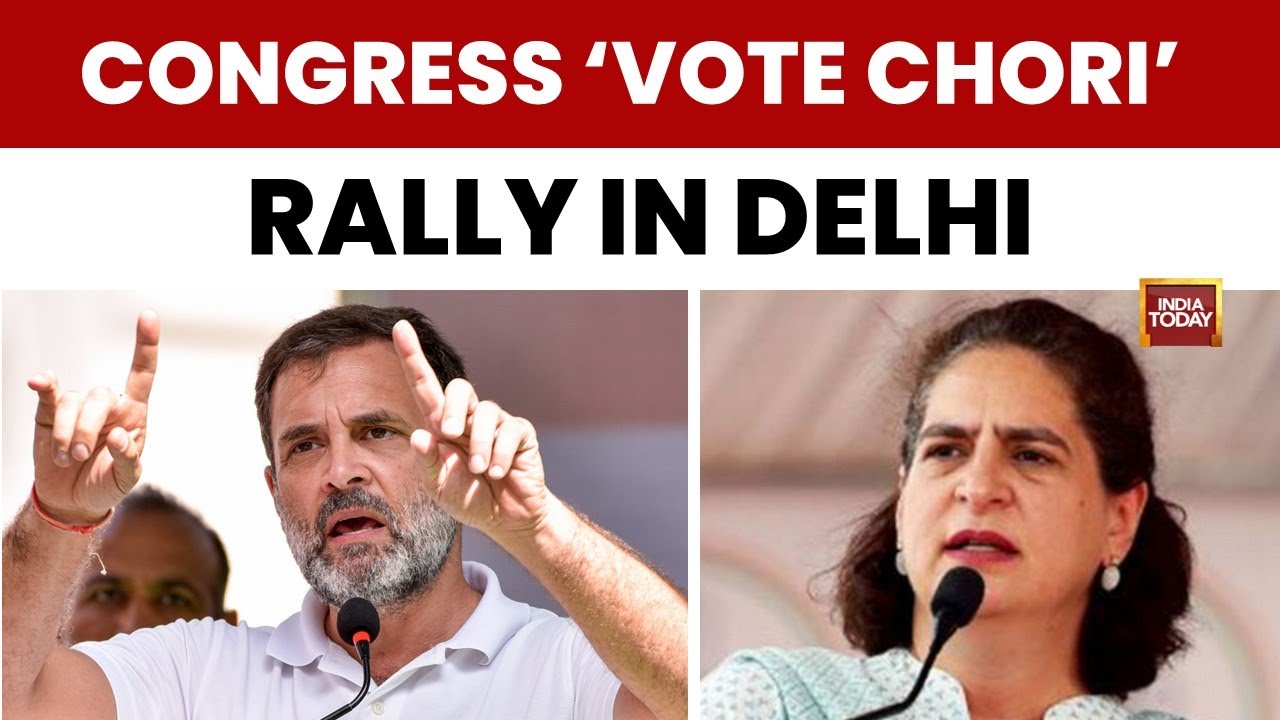
Another debate was held on electoral reforms, in which 63 hours participated in and lasted for 13 hours, informed the Speaker. A fiery debate was witnessed between Leader of Opposition (LoP) Rahul Gandhi and Home Minister Amit Shah over the ongoing Special Intensive Revision of electoral rolls in 12 states. While Mr. Gandhi demanded the Centre reply to his accusations on ‘vote chori’ in Haryana polls, voter deletion in Bihar and protecting the Election Commissioner from prosecution, Mr. Shah affirmed faith in the process reiterating the Election Commission’s clarification on the above accusations.
Overall, the Lok Sabha held 15 sittings spanning 92 hours and 25 minutes and clocked productivity of 111%.






 English (US) ·