

 1 hour ago
3
1 hour ago
3
ARTICLE AD BOX
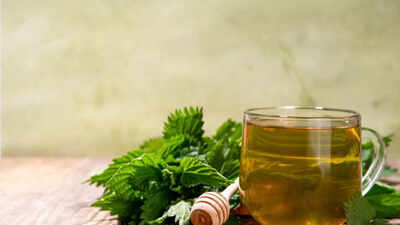
Nettle tea can be quite daunting, but the traditional herbal tea has been used for centuries due to the health benefits it provides. Nettle tea is made from the leaves of the stinging nettle plant, but the stinging properties of the leaves are lost in the process of drying or steeping the tea, making it a mild and earthy tea.
Nettle tea was used in traditional medicine and is slowly gaining popularity in modern times due to its health and nutritional benefits. Nettle tea provides plenty of plant nutrients, vitamins, and antioxidants, and the tea can be enjoyed in a holistic health regimen. It is not a remedy for treatment, but moderation of tea consumption can help promote health in multiple ways.
How nettle tea promotes prostate health
Nettle has also been traditionally used herbal medicine for several centuries, especially in the treatment of problems related to urine flow in men.
The plant has hormonal properties that might work in conjunction with hormones responsible for the enlargement of the prostate, especially those involved in the conversion of testosterone to dihydrotestosterone, which fuels the expansion of the prostate. By doing so, the herb might help in controlling the rapid expansion of the prostate.
Prostate Cancer Guide: Expert Reveals Causes and Prevention Strategies
A study on ScienceDirect revealed that nettle should also be used for alleviating usual urinary symptoms that come with benign prostatic enlargement, including weak urinary flow, nocturia, and painful urine discharge.
Even the anti-inflammatory component of nettle tea works well in alleviating additional pressure impacting the bladder & urethra. Despite positive initial results from studying its effects, one should consider it as an auxiliary remedy against benign prostatic enlargement.
Health benefits of nettle tea
- Supporting blood sugar control
Some small-scale research has also revealed the positive effects of nettle on blood glucose and glucose levels in people with diabetes.
This is primarily due to the compounds found in the herb that are known to affect the action of insulin. But the research conducted on the herb is currently inconclusive, so the tea cannot be considered as a supplement for any diabetic treatment. People with diabetes are advised to consult a medical professional before taking the tea.
- Helping ease mild allergies
Nettle tea has also been considered by people who are looking for an alternative way to alleviate allergies.
It has properties that might be effective in combating inflammation and modulating the effects of histamine. It might be a helpful supplement in alleviating allergies, but certainly not a standalone treatment for people who are dealing with allergies. It should be seen in the same way asother alternatives to conventional medication.
- Supporting healthy blood pressure
Some claim that drinking nettle tea can be of some benefit in maintaining normal blood pressure.
The reason why nettle tea has such properties has been attributed to the way it affects blood vessels and fluids. It should be made clear that nettle tea should not be considered an alternative treatment when taking medications for maintaining normal blood pressure. If you are taking medications for blood pressure, it is advised that you consult your physician before drinking nettle tea.
- Contributing to eye health
NetBeans also has antioxidants such as lutein and zeaxanthin, which are documented to promote eye health.
The antioxidants can help shield the eyes against oxidation and also prevent age-related. Though nettle tea can act as a source of antioxidants in the body, it cannot substitute for eye care practices by an expert in eye health.
How to prepare nettle tea safely
- Use tea bags or dried nettle leaves that can be sourced from a reputable supplier
- Put one teaspoon of dried nettle leaves in a cup of boiling water
- Cover and let the tea steep for about five to ten minutes
- Strain the leaves before drinking if using loose nettle. Straining the leaves is important
- Steep longer to make it stronger in taste and richer in nutrients.
- Add honey or lemon for taste, if desired.
Who should avoid nettle tea
- Individuals who are under blood-thinning, blood-pressure, diuretic, or diabetic medications
- Persons with a documented allergy to nettle or other related plants.
- Pregnant women, unless advised by a healthcare provider, and people with chronic medical issues without pre-existing medical advice
Disclaimer: This content is provided for informational purposes only and is not intended as medical advice. Always consult a qualified healthcare professional before starting any new herbal supplement or making changes to your diet or treatment plan.









 English (US) ·