

 1 hour ago
5
1 hour ago
5
ARTICLE AD BOX
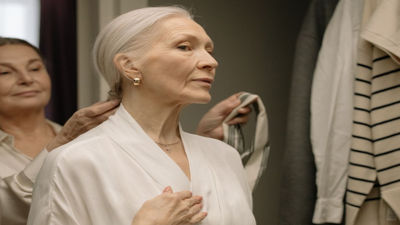
Coloring gray hair became such a widespread norm | Pexels
Gray hair is often framed as something to manage, conceal, or correct, and beauty industries are built around that assumption, and social attitudes frequently reinforce it. But for many people, it involves choosing authenticity over appearance-based expectations.
The choice is psychologically interesting because it often occurs despite a clear awareness of how gray hair may affect others' perceptions of attractiveness, competence, or youthfulness. In that sense, embracing gray hair can be less about giving up and more about deciding which standards matter most.
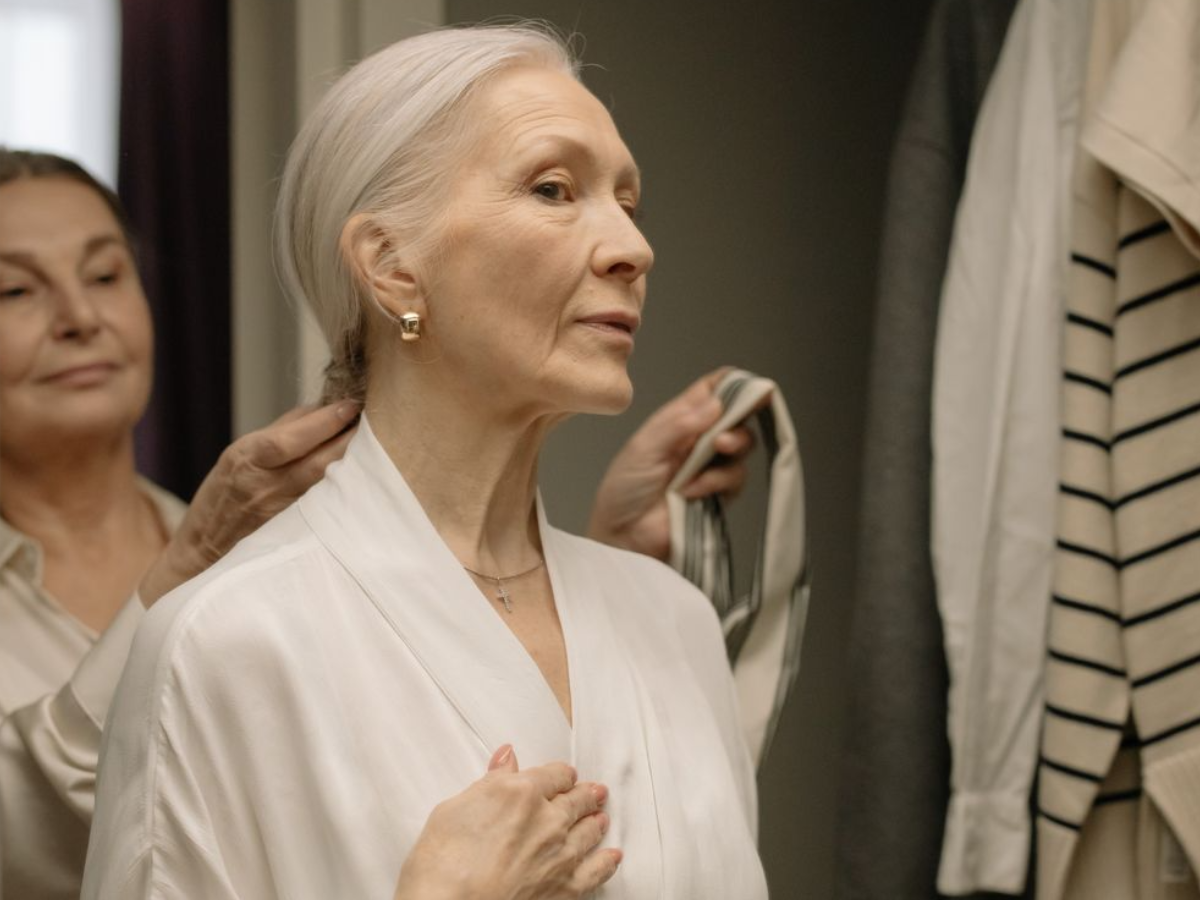
Coloring gray hair became such a widespread norm | Pexels
Gray hair carries social consequencesThe pressure to cover gray hair does not exist in a vacuum; people are sometimes perceived in ways that have little to do with their actual abilities or character.A study examining perceptions of gray hair, published in Frontiers, found that gray-haired faces were generally rated as older and less attractive than identical faces shown with non-gray hair. This finding matters because it helps explain why coloring gray hair became such a widespread norm, and the decision is often shaped by awareness of how age-related cues influence first impressions. Choosing gray hair is rarely meaningful unless there is pressure not to choose it.
Authenticity often competes with social expectationsOne of the most relevant studies for this headline examined women who decided to stop coloring their gray hair. Researchers found that participants were often aware that gray hair could affect how others viewed them, yet many described authenticity as a major reason for making the change.The study was published in Taylor and Francis Online, and found that women frequently balanced concerns about appearing older against a desire to look and feel more authentic.
Participants were not simply surrendering to age. They were making a conscious decision about how they wanted to present themselves, even when the choice carried social costs.This distinction matters because authenticity is an active value. It requires choosing what feels personally accurate rather than automatically following expectations.Age stereotypes influence personal choicesPsychologists have long noted that social stereotypes about aging do not remain external, since over time, people can internalize those beliefs and begin evaluating themselves through the same lens.
Attitudes about aging influence how individuals think about their own aging process. This helps explain why decisions about gray hair often feel surprisingly emotional. The choice is not only about appearance. It is also about deciding whether to accept or challenge assumptions associated with getting older.For some people, continuing to dye their hair feels right. For others, allowing gray hair to remain visible becomes a way of rejecting the idea that signs of aging automatically reduce value or relevance.The choice often reflects identityAppearance plays an important role in identity because it influences how people present themselves to the world. Changes in appearance therefore carry psychological significance beyond aesthetics.Research published in Sage Journals found that visible signs of aging often became important sites of negotiation between social expectations and personal self-concepts. Gray hair emerged as one of the most visible examples of that tension.This helps explain why the decision can feel deeply personal, since the issue is not the color itself. The issue is what that color represents in relation to self-image, social norms, and personal values.
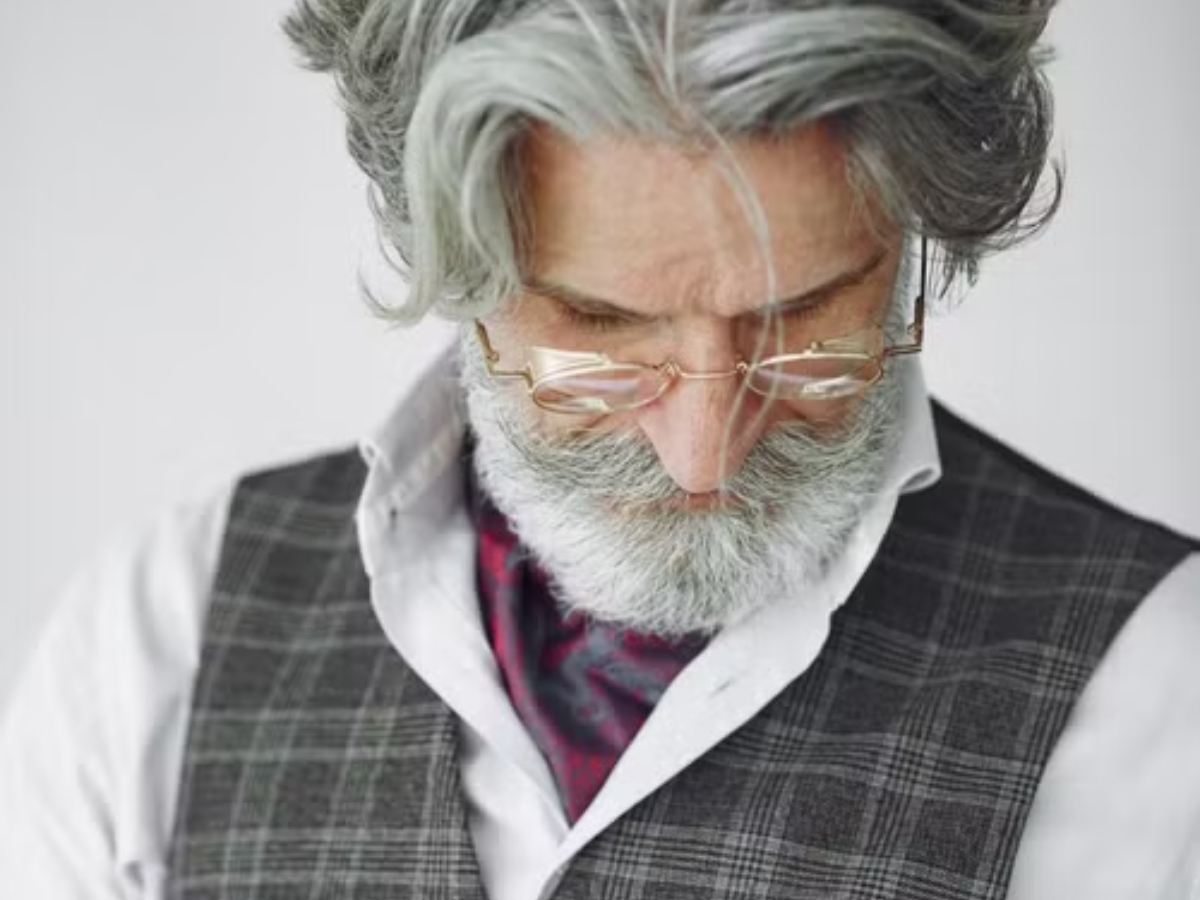
People often experience greater well-being when their outward presentation aligns with how they see themselves | Pexels
Authenticity sometimes matters more than approvalThe most interesting aspect of the research is that many people who embrace gray hair do so while fully understanding the potential social tradeoffs. They know gray hair may be read differently.
They know it may challenge beauty norms. Yet they make the choice anyway.That willingness reflects what psychology repeatedly finds about authenticity: people often experience greater well-being when their outward presentation aligns with how they see themselves, and the goal becomes consistency rather than conformity.People who embrace their gray hair are not necessarily surrendering to age. Studies show that gray hair carries cultural meanings related to age and attractiveness, yet people who choose to keep it visible often do so because it feels more genuine than continuing to hide it. The decision is therefore less about giving up and more about choosing which values will guide self-presentation. In many cases, gray hair becomes not a symbol of decline but a visible expression of self-acceptance.








 English (US) ·